In the realm of industrial automation and control systems, proximity switches stand as indispensable components for non-contact detection of objects. Among the various configurations available, the three-wire proximity switch is particularly prevalent due to its balanced performance, reliability, and ease of integration. This article delves into the operational principles, wiring methodologies, key advantages, and practical considerations for implementing three-wire proximity switches in diverse industrial environments.
A three-wire proximity switch typically comprises three distinct wires: one for power supply (usually labeled as brown or red for positive, and blue for negative in DC configurations), one for the output signal (often black or white), and one for the ground or common return. This design separates the power and signal circuits, enhancing noise immunity and stability compared to two-wire variants. The sensor operates by generating an electromagnetic field; when a metallic or sometimes non-metallic target enters this field, it induces changes that are detected by the oscillator and conditioning circuitry within the switch. Subsequently, the output transistor (either PNP or NPN type) toggles state, providing a clear digital signal to connected controllers like PLCs (Programmable Logic Controllers).
Wiring a three-wire proximity switch correctly is paramount for optimal functionality. For a DC-powered sensor, the brown wire connects to the positive voltage supply (commonly 10-30 VDC), while the blue wire links to the negative or ground. The output wire (e.g., black) is then connected to the load, such as a PLC input module or relay coil. It is crucial to match the sensor's output type (PNP or NPN) with the control system's requirements. PNP sensors, often termed "sourcing" outputs, switch the positive voltage to the load, whereas NPN sensors, or "sinking" outputs, switch the ground path. Misalignment here can lead to malfunction or damage. Additionally, shielding and proper cable routing are recommended in electrically noisy environments to prevent false triggering.
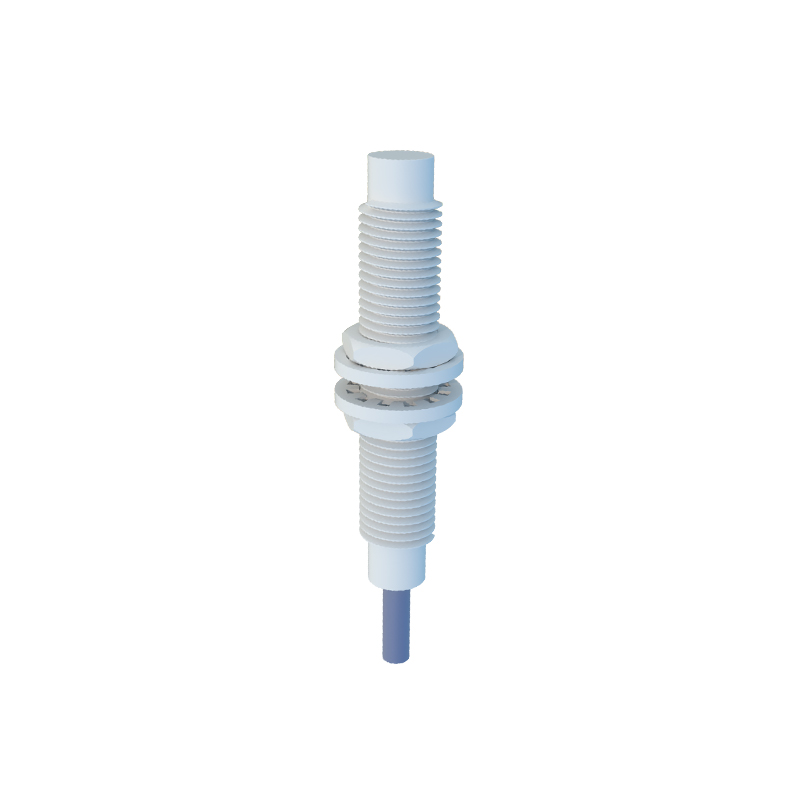
The advantages of three-wire proximity switches are manifold. Firstly, they offer lower voltage drops and minimal leakage current compared to two-wire models, ensuring more precise signal transmission and compatibility with sensitive electronic inputs. Secondly, the independent power and signal lines allow for faster response times and higher switching frequencies, making them suitable for high-speed applications like packaging machinery or conveyor systems. Thirdly, their robust construction, often meeting IP67 or higher ingress protection ratings, ensures durability in harsh conditions involving dust, moisture, or vibration.
When selecting and applying these sensors, engineers must consider several factors. The sensing range, which varies from a few millimeters to several tens of millimeters, should align with the target's size and material. For instance, inductive sensors are ideal for detecting metals, while capacitive versions can handle non-metallics like plastics or liquids. Environmental aspects, such as temperature extremes or exposure to chemicals, may necessitate specialized housing materials like stainless steel or PTFE coatings. Moreover, regular maintenance, including periodic checks for accumulation of debris or misalignment, helps sustain long-term reliability.
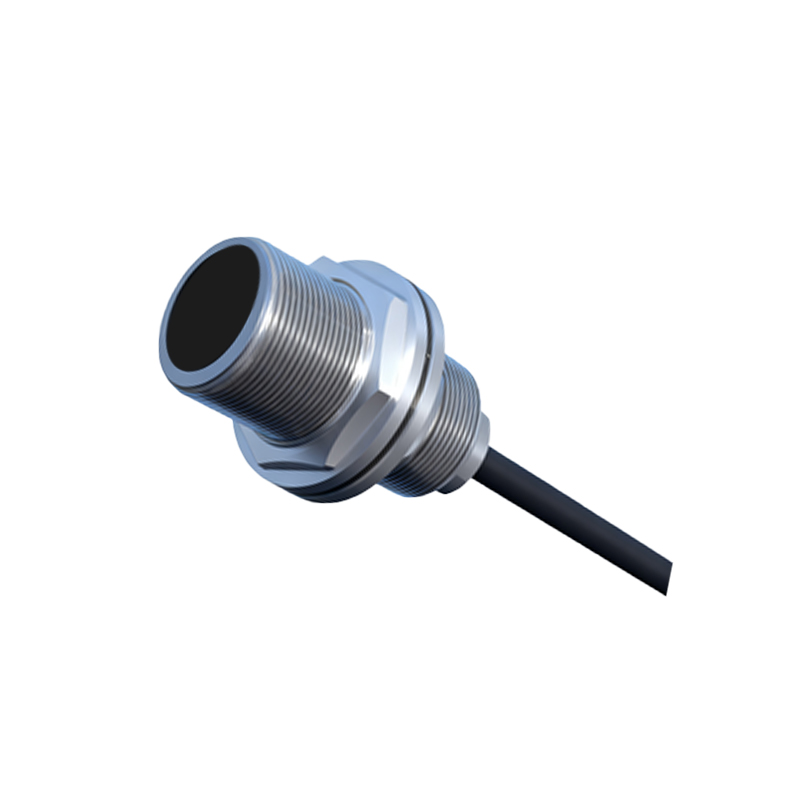
In conclusion, three-wire proximity switches represent a cornerstone of modern industrial sensing, offering a blend of precision, durability, and versatility. By understanding their wiring schemes, output configurations, and application nuances, engineers can effectively harness these devices to enhance automation efficiency, reduce downtime, and improve safety across manufacturing, material handling, and robotic systems. As technology evolves, innovations in miniaturization and smart diagnostics continue to expand their potential, solidifying their role in the interconnected industrial landscape.