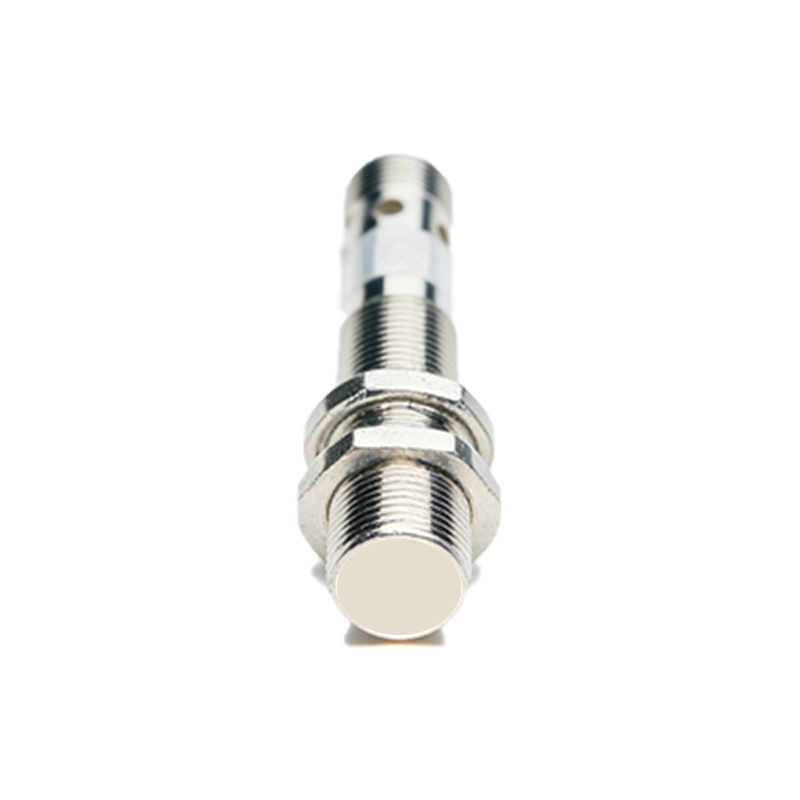
In the world of modern smartphones, proximity sensors are often overlooked, yet they play a critical role in enhancing user experience and device functionality. As an electrical engineer with years of experience in consumer electronics, I can attest that these tiny components are far more significant than most users realize. But what exactly do proximity sensors do, and why are they so essential? Let's delve into the technical and practical aspects.
Proximity sensors in smartphones are typically infrared (IR) or capacitive-based devices designed to detect the presence of nearby objects without physical contact. Their primary function is to sense when a user brings the phone close to their ear during a call. Once activated, the sensor signals the system to turn off the display, preventing accidental touches from the cheek or ear that could disrupt the call—such as muting the microphone or launching unintended apps. This not only conserves battery power by deactivating the screen but also improves usability by reducing frustration. Beyond calls, proximity sensors contribute to other features. For example, they enable "pocket mode" to prevent accidental screen interactions when the device is stored, and they assist in gesture controls for hands-free operations. In some advanced implementations, these sensors support augmented reality (AR) applications by gauging distances to objects in the environment.
From an engineering perspective, the importance of proximity sensors stems from their integration into power management and user interface design. Smartphones are packed with components that drain battery life, and every milliwatt saved counts. By automatically shutting off the display during calls, proximity sensors reduce unnecessary power consumption from the backlight and touchscreen circuitry. Moreover, they enhance device durability. Without them, constant screen activity during calls could lead to premature wear or overheating. In terms of safety, these sensors help minimize radiation exposure by optimizing antenna performance when the phone is near the head, though this is often a secondary benefit regulated by standards.
Why are proximity sensors indispensable? First, they address a fundamental human-computer interaction challenge: preventing false inputs. In early mobile phones, users frequently encountered issues like hung-up calls or activated keypads during conversations. Proximity sensors solved this by providing a reliable, non-contact detection method. Second, as smartphones evolve with larger screens and edge-to-edge designs, the risk of accidental touches increases. Sensors mitigate this by creating an intelligent buffer zone. Third, they support emerging technologies. For instance, in foldable phones or devices with under-display cameras, proximity sensors adapt to unique form factors, ensuring consistent performance.
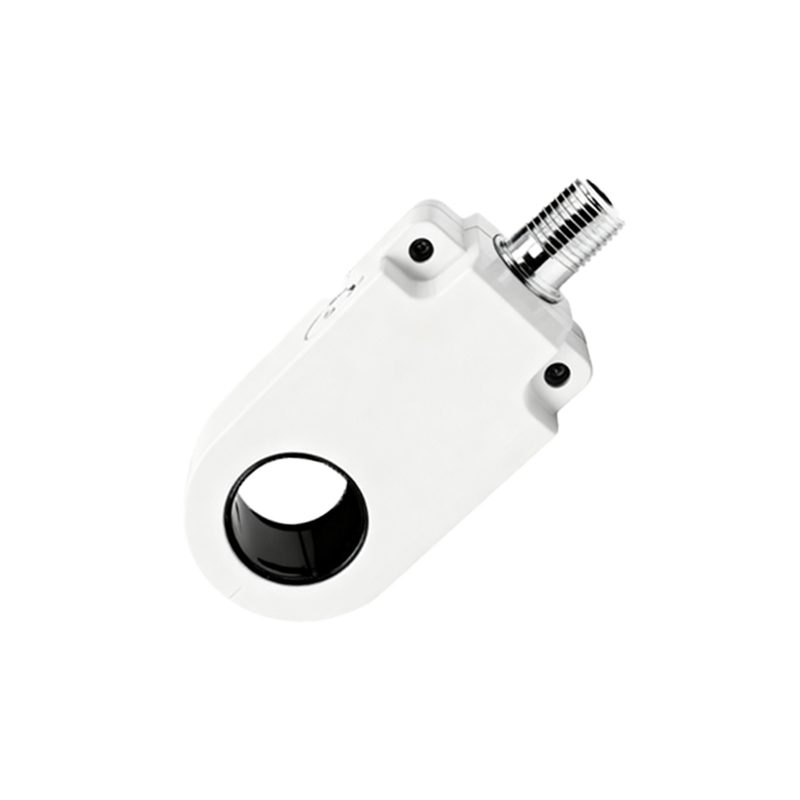
However, not all proximity sensors are created equal. Lower-quality sensors may suffer from slow response times or inaccurate detection, leading to user annoyance. Engineers continually refine these components using algorithms and calibration techniques to improve accuracy. Environmental factors like bright sunlight or reflective surfaces can also interfere with IR-based sensors, prompting innovations in capacitive and time-of-flight (ToF) alternatives.
In summary, proximity sensors are a small but mighty part of smartphone architecture. They bridge hardware and software to deliver seamless, efficient interactions. While users might not notice them daily, their absence would immediately impact convenience and functionality. As we move toward more immersive and interactive devices, the role of proximity sensors will only expand, making them a cornerstone of modern electronics design. So, are they important? Absolutely—they are a silent guardian of user experience, power efficiency, and innovation in the palm of your hand.