In the rapidly evolving landscape of industrial automation, the demand for reliable, durable, and high-performance sensing solutions has never been greater. Among the myriad of technologies available, ultra-capacitive inductive proximity sensors have emerged as a groundbreaking innovation, combining the best attributes of capacitive and inductive sensing principles to deliver unparalleled accuracy and resilience in harsh environments.
Traditional inductive proximity sensors operate by generating an electromagnetic field. When a metallic target enters this field, it induces eddy currents, causing a change in oscillation amplitude that is detected by the sensor. While highly effective for metal detection, these sensors often face limitations with non-metallic materials or under conditions involving dust, moisture, or temperature extremes. Capacitive sensors, on the other hand, detect both metallic and non-metallic objects by measuring changes in capacitance, but they can be susceptible to environmental interference. The advent of ultra-capacitive inductive proximity sensors bridges this gap, integrating advanced capacitive coupling with robust inductive mechanisms to enhance sensitivity and stability.
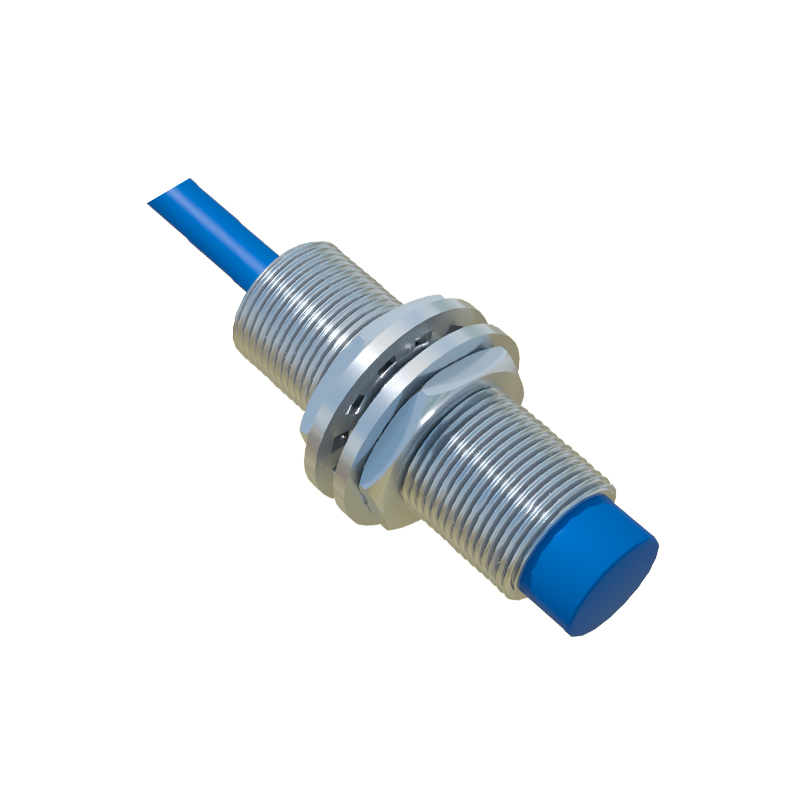
The core technology behind ultra-capacitive inductive proximity sensors lies in their hybrid design. These sensors utilize a high-frequency oscillator to create an electromagnetic field, similar to standard inductive sensors. However, they incorporate a specialized ultra-capacitive element that allows for the detection of minute changes in the dielectric properties of surrounding materials. This dual-functionality enables the sensor to identify a wide range of targets, from metals and plastics to liquids and granular substances, with exceptional precision. Moreover, the ultra-capacitive component is engineered to mitigate common issues such as false triggering due to contamination or humidity, ensuring consistent performance in demanding applications like food processing, chemical manufacturing, and outdoor machinery.
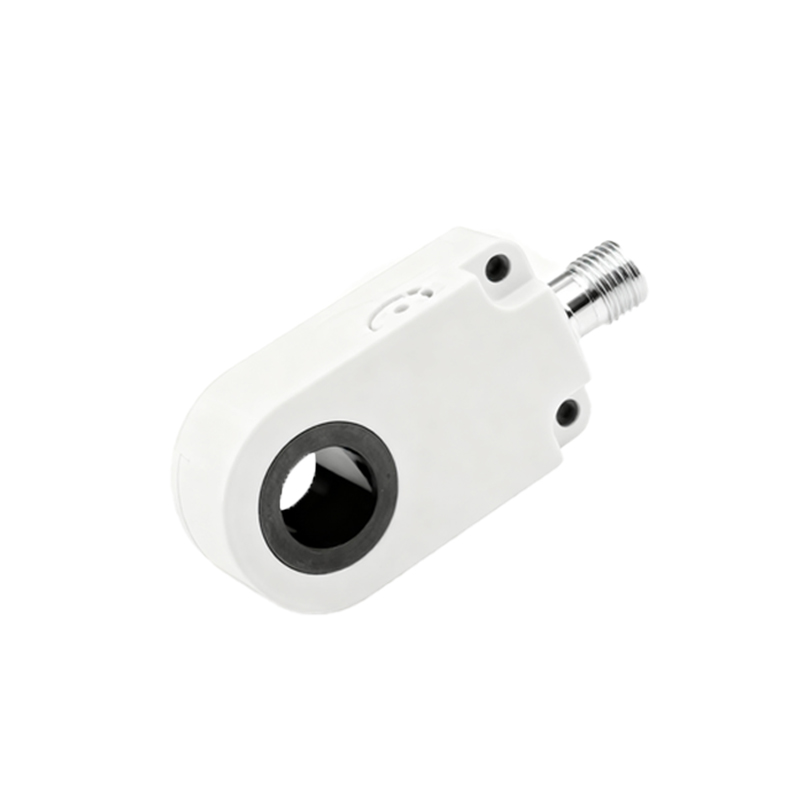
One of the most significant advantages of ultra-capacitive inductive proximity sensors is their enhanced sensing range and speed. By optimizing the electromagnetic field and capacitive feedback loop, these sensors can detect objects at greater distances compared to conventional models, while maintaining fast response times critical for high-speed production lines. For instance, in automotive assembly plants, they facilitate precise positioning of components, reducing downtime and improving overall efficiency. Additionally, their robust construction—often featuring stainless steel housings and IP67 or higher ingress protection ratings—makes them ideal for use in corrosive or washdown environments where other sensors might fail.
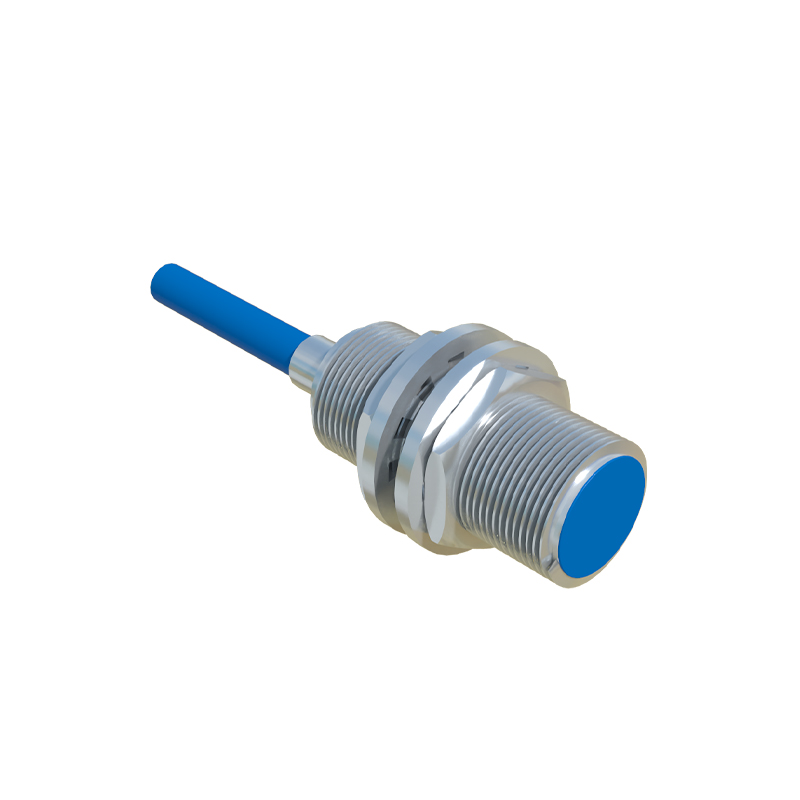
Energy efficiency is another key benefit. The ultra-capacitive technology minimizes power consumption by dynamically adjusting the sensor's operational parameters based on target proximity and environmental conditions. This not only extends the lifespan of the sensor but also contributes to sustainable industrial practices by lowering overall energy usage. In renewable energy sectors, such as wind turbine monitoring, these sensors play a crucial role in detecting blade positions and structural integrity, operating reliably in variable weather with minimal maintenance.
Installation and integration are streamlined due to standardized mounting options and compatibility with common industrial protocols like IO-Link, PROFINET, and EtherNet/IP. Many models offer programmable settings, allowing engineers to customize sensitivity, output signals, and switching points via software interfaces. This flexibility simplifies retrofitting into existing systems and supports the trend toward smart factories and Industry 4.0, where real-time data collection and connectivity are paramount.
Despite their advanced capabilities, ultra-capacitive inductive proximity sensors are designed with user-friendliness in mind. Diagnostic features, such as LED indicators for status monitoring and fault detection, help technicians quickly identify issues, reducing troubleshooting time. Furthermore, ongoing research and development are focused on enhancing materials and algorithms to push the boundaries of what these sensors can achieve, including applications in robotics, medical devices, and aerospace.
In conclusion, ultra-capacitive inductive proximity sensors represent a significant leap forward in sensing technology. By merging inductive and capacitive principles, they offer a versatile, reliable, and efficient solution for modern industrial challenges. As automation continues to advance, these sensors are poised to become indispensable tools, driving innovation and productivity across diverse sectors. Engineers and industry professionals should consider adopting this technology to stay competitive and address the complex demands of tomorrow's manufacturing landscapes.