In the rapidly evolving landscape of industrial automation, proximity sensors stand as critical components for enabling precise, non-contact detection in machinery and systems. For procurement specialists and engineers, selecting the right proximity sensor is not merely a purchase—it's a strategic decision impacting operational efficiency, safety, and long-term cost management. This guide delves into key considerations for buyers navigating this complex market.
First, understanding sensor technology types is fundamental. Inductive sensors are ideal for detecting metallic objects, offering robustness in harsh environments like automotive assembly lines. Capacitive sensors, conversely, can detect both metallic and non-metallic materials, making them suitable for applications involving liquids, plastics, or granular substances. Magnetic sensors are often used for position sensing in cylinders, while photoelectric sensors provide long-range detection capabilities. Each type has distinct operating principles, influencing factors such as sensing range, response time, and environmental tolerance.
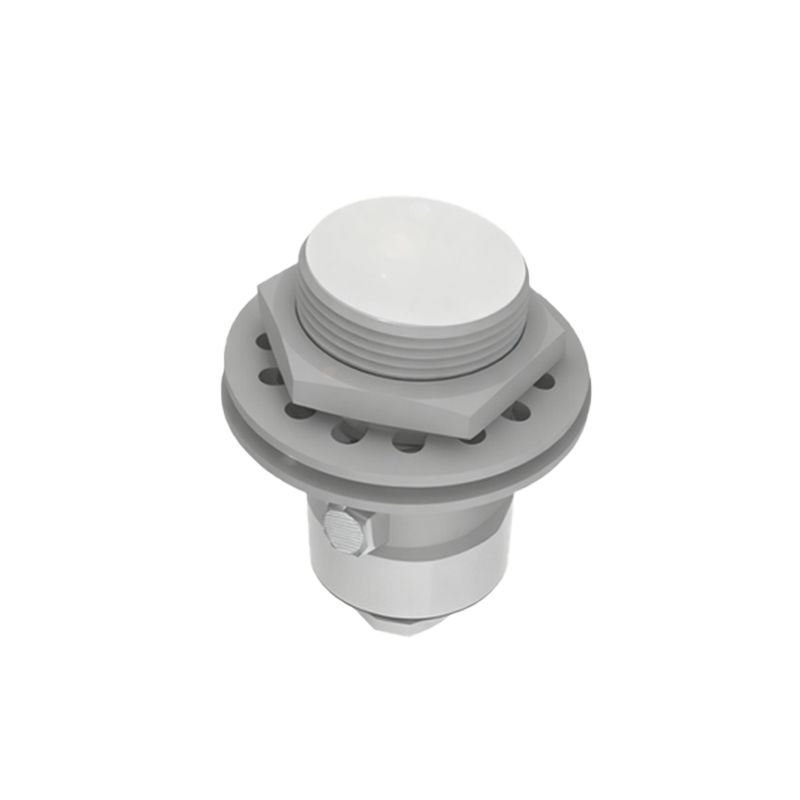
The application environment dictates specific sensor requirements. Factors like temperature extremes, exposure to chemicals, moisture, or vibration must be evaluated. For instance, sensors in food processing may require stainless steel housings and IP69K ratings for high-pressure washdowns, while those in welding areas need high immunity to electromagnetic interference. Always review Ingress Protection (IP) ratings and material certifications to ensure durability.
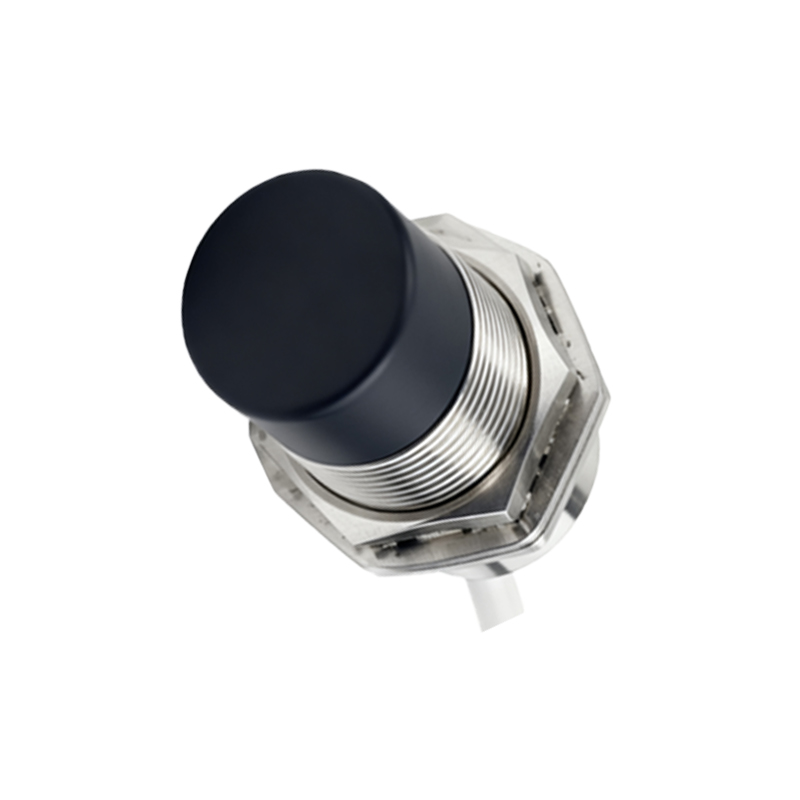
Technical specifications demand careful scrutiny. Key parameters include sensing distance (nominal and real), repeat accuracy, switching frequency, and output type (e.g., PNP, NPN, analog, IO-Link). Underspecifying can lead to frequent failures, while overspecifying inflates costs unnecessarily. Consider the target material's size, shape, and composition during testing. For example, detecting a small fastener requires a sensor with higher precision than sensing a large metal plate.
Integration with existing control systems is another crucial aspect. Compatibility with PLCs (Programmable Logic Controllers) and communication protocols like PROFINET, EtherNet/IP, or Modbus can streamline installation and reduce downtime. Sensors with smart features, such as diagnostics via IO-Link, offer predictive maintenance insights, alerting users to contamination or misalignment before failures occur.
Supplier evaluation extends beyond initial price. Assess manufacturers for technical support, warranty terms, lead times, and global availability. Established brands often provide comprehensive documentation, simulation tools, and application engineering assistance. However, reputable niche suppliers might offer customized solutions for unique challenges. Request samples for real-world testing under actual operating conditions to validate performance claims.
Finally, consider total cost of ownership (TCO). This includes not only the purchase price but also installation, maintenance, energy consumption, and potential production losses from sensor downtime. Investing in higher-quality sensors with longer lifespans often proves more economical than frequent replacements of cheaper alternatives.
In conclusion, successful proximity sensor procurement hinges on a balanced analysis of technology, environment, specifications, integration, and supplier reliability. By methodically addressing these areas, buyers can secure components that enhance system performance, ensure safety, and deliver sustained value across industrial operations.