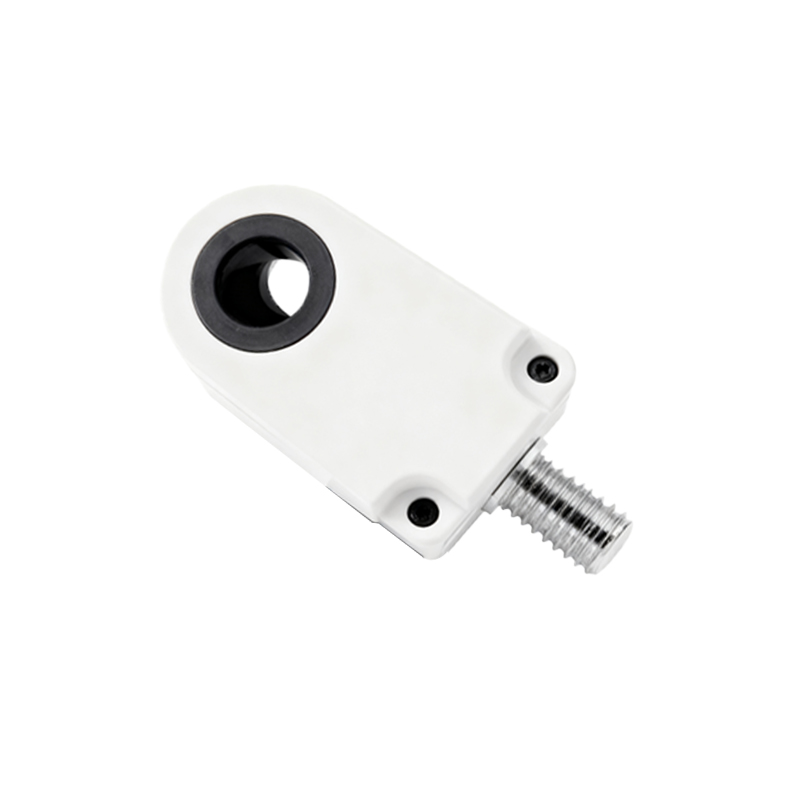
In the intricate dance of modern industrial automation, where precision and reliability are non-negotiable, a class of silent sentinels operates ceaselessly. Industrial proximity sensors, the unseen guardians, form the foundational layer of feedback for countless control systems. These non-contact detection devices are engineered to sense the presence or absence of an object within their defined sensing range without any physical touch. Their applications span from simple part detection on a conveyor belt to critical safety interlocks on robotic cells, making them indispensable in sectors ranging from automotive assembly and packaging to metalworking and material handling.
The core principle of operation hinges on generating an electromagnetic field or a beam of radiation. When a target object disturbs this field, the sensor's internal circuitry detects the change and triggers a solid-state output signal. This fundamental operation is realized through several key technologies, each with distinct advantages. Inductive proximity sensors are the workhorses for detecting metallic objects. They generate an oscillating electromagnetic field. When a ferrous or non-ferrous metal enters this field, it induces eddy currents, causing a change in oscillation amplitude that is detected by the sensor. Renowned for their robustness, they are ideal for harsh environments with oil, coolant, and metal chips, commonly used for counting gear teeth, detecting cylinder positions, or verifying part presence in machining centers.
For non-metallic targets, capacitive proximity sensors take the lead. They can detect a wide variety of materials including liquids, plastics, wood, and granular substances by sensing changes in capacitance. The sensor forms one plate of a capacitor, with the target object acting as the other. The presence of the object alters the dielectric constant, changing the capacitance and triggering the output. This makes them perfect for level detection in tanks, monitoring paper or plastic film rolls, and detecting filled containers on production lines.
A third major category is the ultrasonic proximity sensor. These devices operate on a time-of-flight principle, emitting high-frequency sound waves and measuring the time for the echo to return. They excel at detecting objects over longer ranges and are unaffected by color, transparency, or material composition, making them suitable for challenging applications like transparent bottle detection, bulk material level sensing, and distance measurement in automated guided vehicles (AGVs).
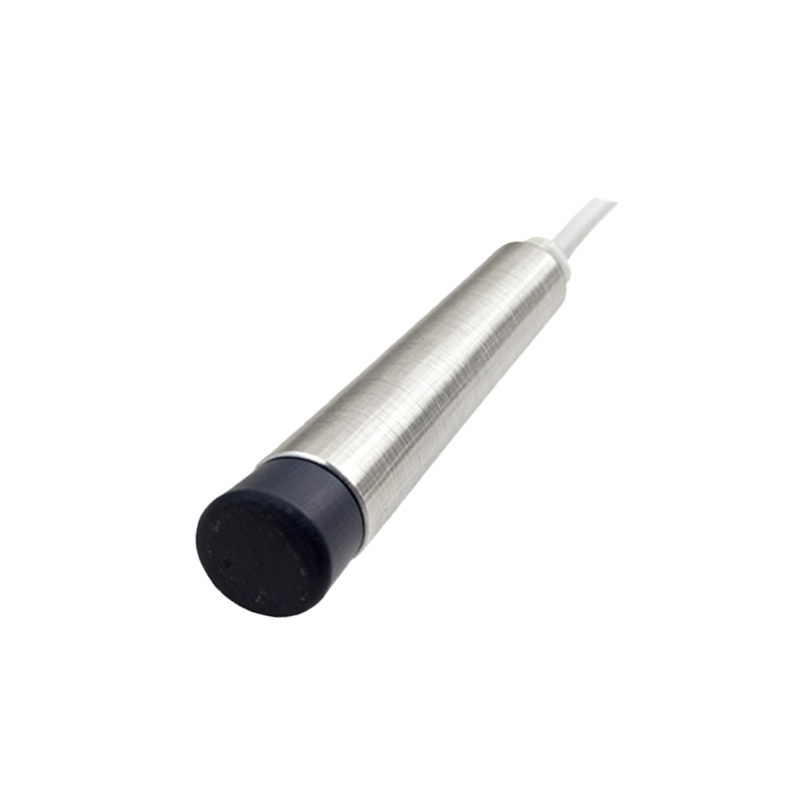
Selecting the right industrial proximity sensor requires a meticulous evaluation of several parameters. The sensing range, or the maximum distance at which the sensor can reliably detect a standard target, is paramount. Environmental factors are equally critical; sensors are rated with Ingress Protection (IP) codes (e.g., IP67) to define their resistance to dust and water. Temperature tolerance, resistance to chemical exposure, and immunity to electrical noise are also vital for reliable operation in industrial settings. Furthermore, the output type—typically NPN (sinking) or PNP (sourcing) transistor outputs, or analog variants—must be compatible with the programmable logic controller (PLC) or other control hardware.
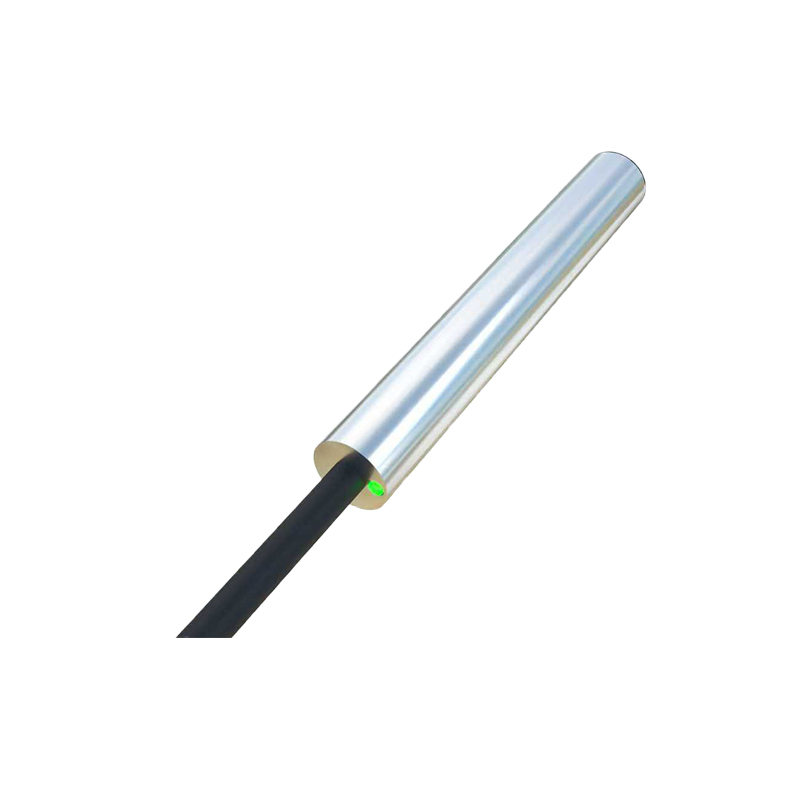
The design and housing of these sensors are a testament to industrial engineering. Many feature rugged, threaded metal barrels (e.g., M8, M12, M18, M30 sizes) with integrated LEDs for status indication. Advanced models offer teach-in functionality for easy setup, short-circuit and overload protection, and increased switching frequency for high-speed applications. The trend is moving towards miniaturization without sacrificing performance and the integration of IO-Link communication. IO-Link transforms a simple binary sensor into an intelligent device capable of transmitting detailed diagnostic data, parameter settings, and process values, enabling predictive maintenance and finer process control.
In conclusion, industrial proximity sensors are far more than simple switches. They are sophisticated, application-tailored components that provide the essential eyes for automated machinery. Their relentless evolution towards greater intelligence, robustness, and connectivity continues to push the boundaries of manufacturing efficiency, safety, and flexibility. As Industry 4.0 and smart factory concepts mature, these foundational devices will increasingly serve as critical data points, feeding information into the digital ecosystem that optimizes the entire production lifecycle. Their silent, unwavering operation remains a cornerstone of industrial productivity.