In the industrial automation sector, proximity sensors are indispensable components for detecting the presence or absence of objects without physical contact. Their pricing is influenced by a complex interplay of technical specifications, market dynamics, and supply chain variables. For procurement specialists and engineers, comprehending these factors is crucial for making cost-effective purchasing decisions without compromising on performance or reliability.
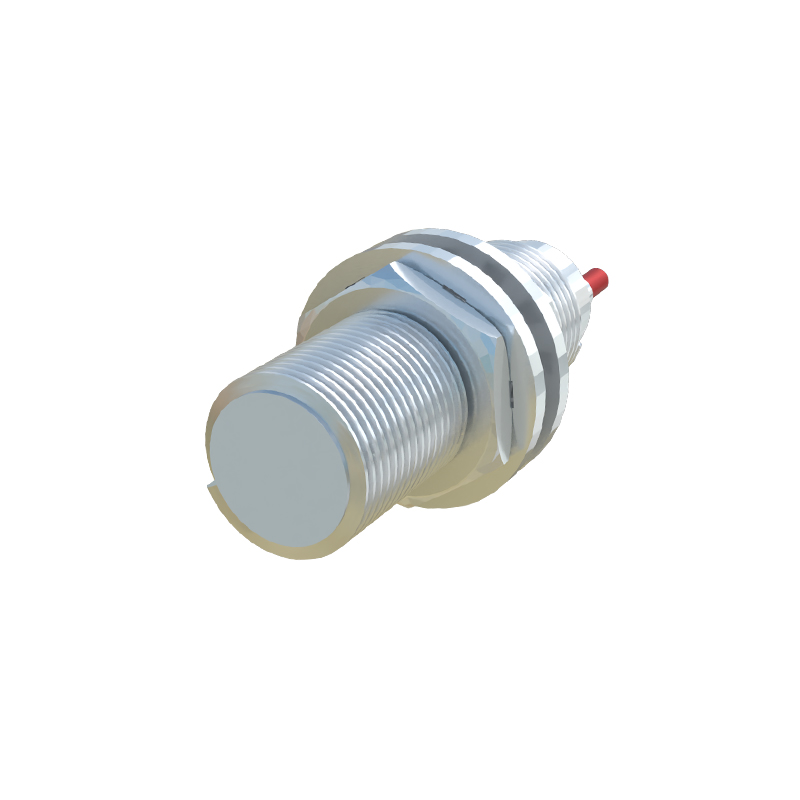
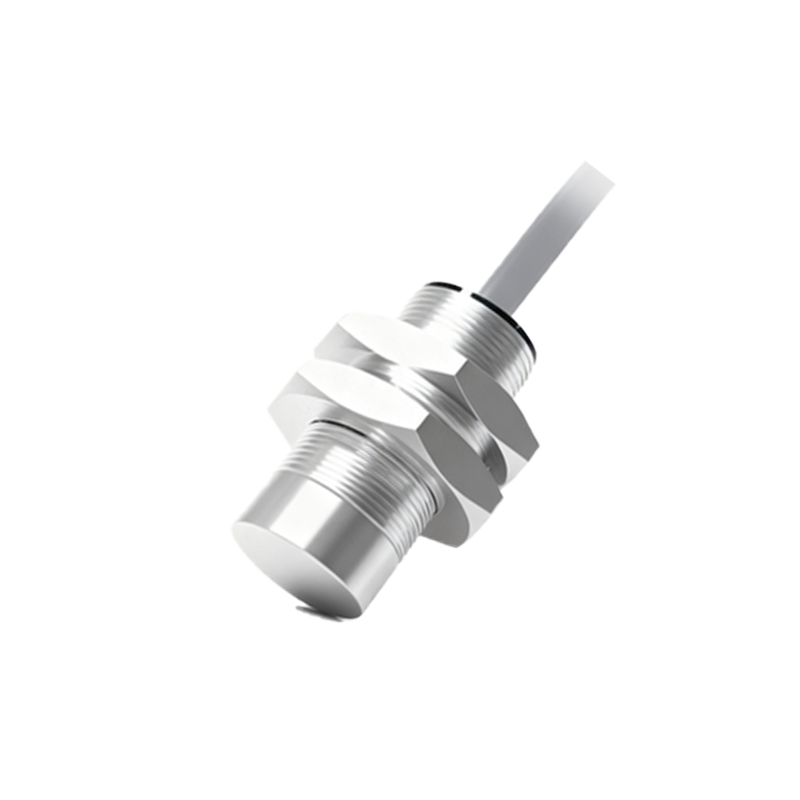
The core technology of a proximity sensor significantly impacts its cost. Inductive sensors, designed for metal detection, generally offer a lower price point compared to capacitive models, which can detect a wider range of materials including liquids and plastics. More advanced technologies, such as ultrasonic or photoelectric sensors, command higher prices due to their increased complexity, longer sensing ranges, and enhanced environmental robustness. The sensing range itself is a direct cost driver; a sensor with a 20mm range is typically less expensive than one with a 50mm range. Furthermore, factors like housing material (e.g., stainless steel vs. PBT plastic), ingress protection (IP) rating (IP67 vs. IP69K), and output type (PNP/NPN, analog, IO-Link) create a broad price spectrum. A standard cylindrical inductive sensor with a 5mm range and PNP output is a commodity item, while a specialized rectangular capacitive sensor with IO-Link communication and high chemical resistance represents a premium product.
Beyond the unit cost, the total cost of ownership (TCO) must be evaluated. This includes installation time, wiring requirements, maintenance needs, and mean time between failures (MTBF). A slightly more expensive sensor from a reputable manufacturer often proves more economical in the long run due to higher reliability, reducing costly production downtime. Compatibility with existing control systems (PLC brands like Siemens, Allen-Bradley, or Omron) is another hidden cost factor; a sensor that integrates seamlessly may save significant programming and configuration expenses.
Market forces exert substantial pressure on pricing. Global demand fluctuations in key industries like automotive, packaging, and material handling directly affect availability and price. The consolidation of major sensor manufacturers and the emergence of low-cost regional suppliers create a diverse market landscape. While established European, Japanese, and North American brands (e.g., Sick, Pepperl+Fuchs, Omron, Banner) are associated with premium pricing and robust support, they face increasing competition from manufacturers offering competitive technical specifications at lower price points. However, this often involves trade-offs in quality consistency, certification completeness (CE, UL), and access to technical documentation.
The supply chain model chosen by the buyer is a pivotal pricing determinant. Purchasing directly from the manufacturer in large annual volumes typically secures the best per-unit price but requires significant inventory management. Distributors and system integrators add a margin but provide value through local stock, technical support, and the ability to supply smaller, mixed quantities. The rise of e-commerce platforms for industrial components has introduced greater price transparency, enabling easier comparison but also necessitating careful vetting of suppliers for authenticity and warranty validity. Lead times are intrinsically linked to cost; standard items from local warehouses are readily available, whereas customized or long-lead-time sensors incur premium charges.
Raw material costs, particularly for metals, plastics, and electronic components, are volatile and directly feed into sensor pricing. Geopolitical events, trade policies, and logistics disruptions can cause sudden price spikes or extended delivery schedules. A savvy procurement strategy involves maintaining relationships with multiple approved suppliers and considering alternative models that meet the application requirements. Requesting detailed quotations that break down costs for the sensor, connectors, and mounting accessories provides a clearer picture for budgeting.
In conclusion, the quoted price for a proximity sensor is merely the starting point for a comprehensive cost analysis. A strategic procurement approach balances initial unit cost with technology suitability, operational reliability, brand reputation, and supply chain resilience. By thoroughly understanding the application requirements—environment, target material, required precision, and communication needs—engineers can specify the optimal sensor. Subsequently, procurement professionals can leverage this specification to negotiate effectively across different supply channels, ensuring both technical compliance and financial prudence for their organization's automation investments.