In the rapidly evolving landscape of industrial automation, proximity sensors have become indispensable components, enabling precise detection, positioning, and control without physical contact. These sensors are critical for enhancing efficiency, safety, and reliability across manufacturing, automotive, logistics, and robotics sectors. As demand grows, selecting the right supplier is paramount for ensuring quality, innovation, and long-term performance. This article highlights leading proximity sensor suppliers, detailing their strengths and offerings to guide engineers and procurement specialists in making informed decisions.
First, Omron Corporation stands out as a global leader in industrial automation. With decades of expertise, Omron provides a comprehensive range of proximity sensors, including inductive, capacitive, and magnetic types. Their products are renowned for high durability, accuracy, and resistance to harsh environments, such as extreme temperatures or contaminants. Omron’s focus on IoT integration and smart factory solutions makes them a top choice for modern automation projects.
Next, Siemens AG offers robust proximity sensor solutions as part of its extensive automation portfolio. Siemens sensors are designed for seamless integration into digital ecosystems, supporting Industry 4.0 initiatives. Their sensors feature advanced diagnostics, easy configurability, and compatibility with PLC systems, ensuring optimal performance in complex industrial setups. Siemens’ global support network further enhances their appeal for large-scale operations.
Another key player is Pepperl+Fuchs, a specialist in sensor technology and intrinsic safety. The company excels in producing explosion-proof proximity sensors for hazardous areas, such as chemical plants or oil refineries. Their products emphasize reliability and compliance with international standards, like ATEX and IECEx. Pepperl+Fuchs also offers innovative designs with long service life, reducing maintenance costs and downtime.
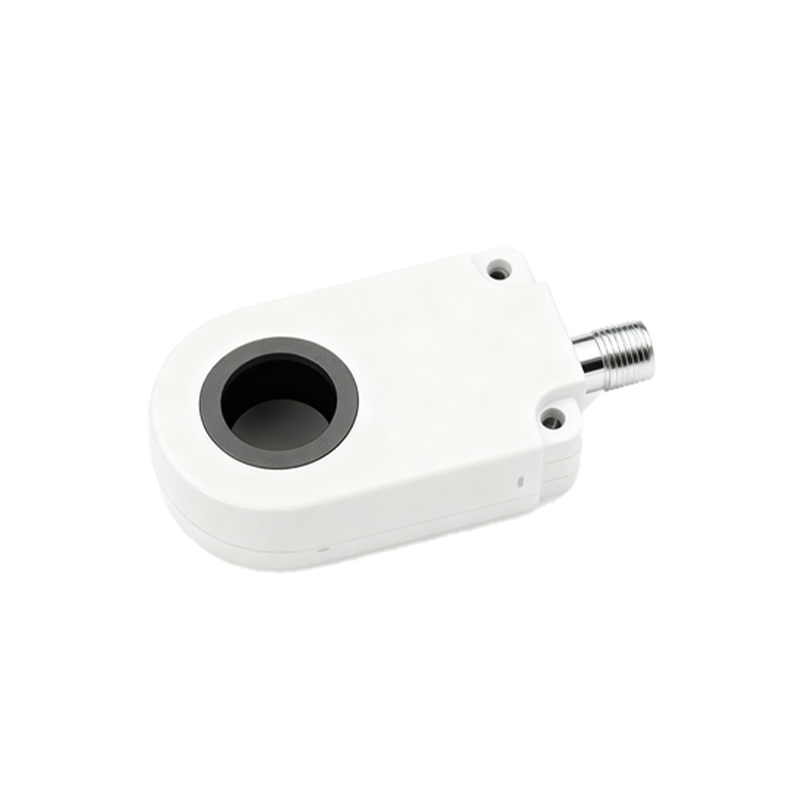
Balluff GmbH is renowned for its high-precision proximity sensors, particularly in automotive and packaging industries. Balluff’s portfolio includes miniature sensors for space-constrained applications and multi-functional devices with IO-Link connectivity for data-rich environments. Their commitment to customization and rapid prototyping helps clients address unique challenges efficiently.
Additionally, ifm electronic GmbH focuses on user-friendly and efficient sensor solutions. ifm’s proximity sensors are known for intuitive setup, robust construction, and energy efficiency. The company leverages IIoT capabilities to provide predictive maintenance features, minimizing unplanned outages. ifm’s strong distribution network ensures timely support across regions.
For cost-effective options without compromising quality, Autonics Corporation and Panasonic Corporation are notable contenders. Autonics offers a wide array of proximity sensors with competitive pricing, suitable for small to medium enterprises. Panasonic combines reliability with innovation, featuring sensors with enhanced sensing ranges and noise immunity, ideal for consumer electronics and automation lines.
Emerging trends are shaping the proximity sensor market, including miniaturization, wireless connectivity, and enhanced smart features. Suppliers like Rockwell Automation and Honeywell are integrating AI and machine learning for predictive analytics, while startups bring agile, application-specific solutions. When evaluating suppliers, consider factors like technical support, lead times, certification compliance, and adaptability to future technologies.
In summary, the choice of proximity sensor supplier depends on application requirements, environmental conditions, and strategic goals. Leading suppliers like Omron, Siemens, and Pepperl+Fuchs offer proven expertise, while others provide niche advantages. By assessing product portfolios, innovation pipelines, and support services, industries can optimize their automation investments for sustained growth and competitiveness.