In the competitive landscape of industrial automation, the diffuse proximity sensor stands as a fundamental component for non-contact object detection. A common inquiry from procurement specialists, system integrators, and OEMs revolves around a seemingly simple question: "What is the factory price?" However, the answer is rarely a single figure. The factory price of a diffuse proximity sensor is a composite value, influenced by a sophisticated matrix of technical specifications, manufacturing complexities, supply chain dynamics, and market forces. This article delves into the key factors that determine this cost, providing a clear framework for evaluation and procurement strategy.
At its core, a diffuse proximity sensor operates by emitting a light beam (typically infrared or visible red) from its integrated transmitter. The light diffusely reflects off a target object, and a portion returns to the sensor's receiver. Detection occurs when the received light intensity exceeds a preset threshold. This principle, while straightforward, is executed with varying degrees of precision, robustness, and feature sets, which directly impact manufacturing cost.
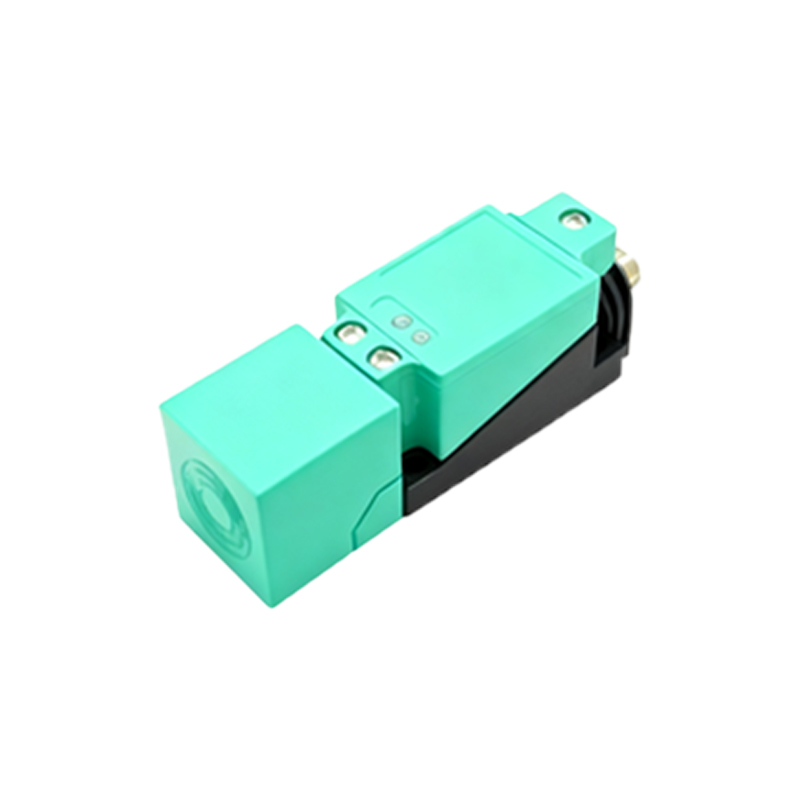
The primary cost driver is the sensing technology and performance specifications. The sensing range is paramount. A standard 10mm range sensor uses less powerful components than a 100mm or 300mm long-range variant, which requires higher-output LEDs or laser diodes and more sensitive phototransistors or photodiodes. Resolution and repeat accuracy are also critical; sensors designed for high-precision positioning in semiconductor or electronics assembly demand superior optical systems and signal processing circuits, escalating the unit cost. Furthermore, the type of light source influences price. Infrared sensors are common and cost-effective, while specialized blue-light sensors for detecting transparent objects or laser-based models for extremely precise applications command a premium.
Construction materials and housing design constitute another significant portion of the factory price. Sensors rated for harsh environments require stainless steel housings (e.g., V4A/AISI 316), high-quality sealing (IP67, IP69K), and resistant glass fronts. These materials and the machining involved are considerably more expensive than standard plastic (PBT) or nickel-plated brass housings used in benign environments. The housing form factor (cylindrical, block-style, rectangular) also affects tooling and assembly costs.
Embedded electronics and functionality are where differentiation and cost adders become pronounced. Basic two-wire DC or three-wire NPN/PNP sensors with a simple potentiometer for sensitivity adjustment form the economical baseline. The integration of advanced features like IO-Link communication for digital parameter setting and process data monitoring, teach-in functionality (via button or remote input), programmable logic (AND/OR), and robust diagnostics (like constant current source output for line break detection) increases the bill of materials and R&D amortization. Sensors with built-in amplifiers or those offering analog current/voltage output (4-20mA, 0-10V) are inherently more complex and costly than standard digital switching models.
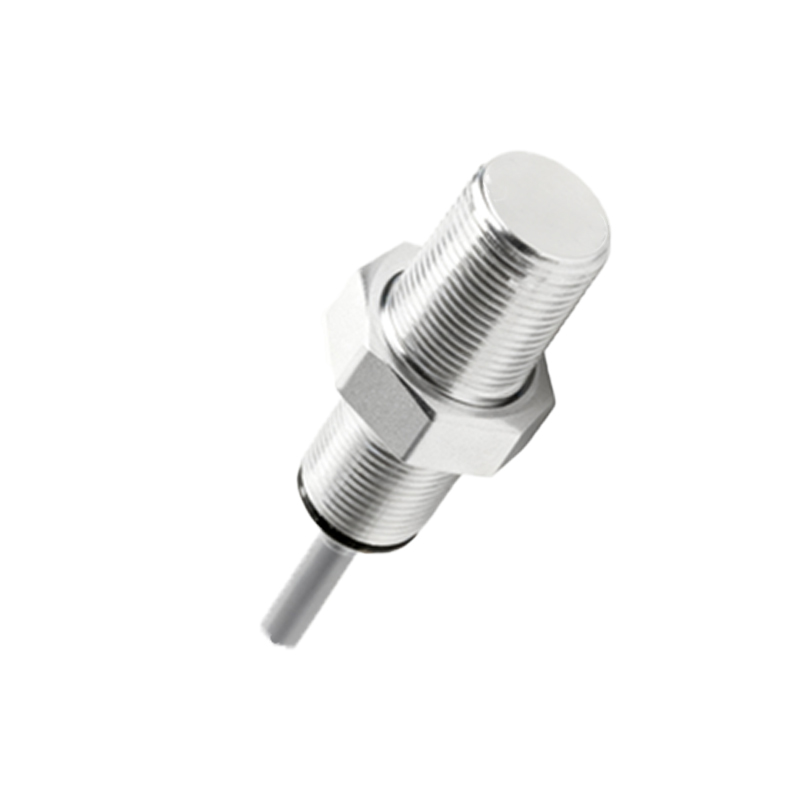
Manufacturing scale and supply chain efficiency are the invisible hands shaping the factory gate price. Large-scale manufacturers with vertically integrated production and automated assembly lines achieve lower per-unit costs through economies of scale. They can negotiate better prices for semiconductors, lenses, and connectors. Conversely, a manufacturer producing small batches of highly specialized sensors will have a higher cost base. The global semiconductor availability and the cost of key electronic components can cause factory prices to fluctuate, independent of the sensor brand's pricing strategy.
Brand positioning and value-added services also factor into the quoted price. Established global brands invest heavily in R&D, global certification (UL, CSA, ATEX for hazardous areas), application engineering support, and extended warranties. This brand equity and support infrastructure are reflected in a higher factory price compared to generic or regional brands, which may offer functionally similar sensors at a lower cost but with potentially less consistency, documentation, or technical support.
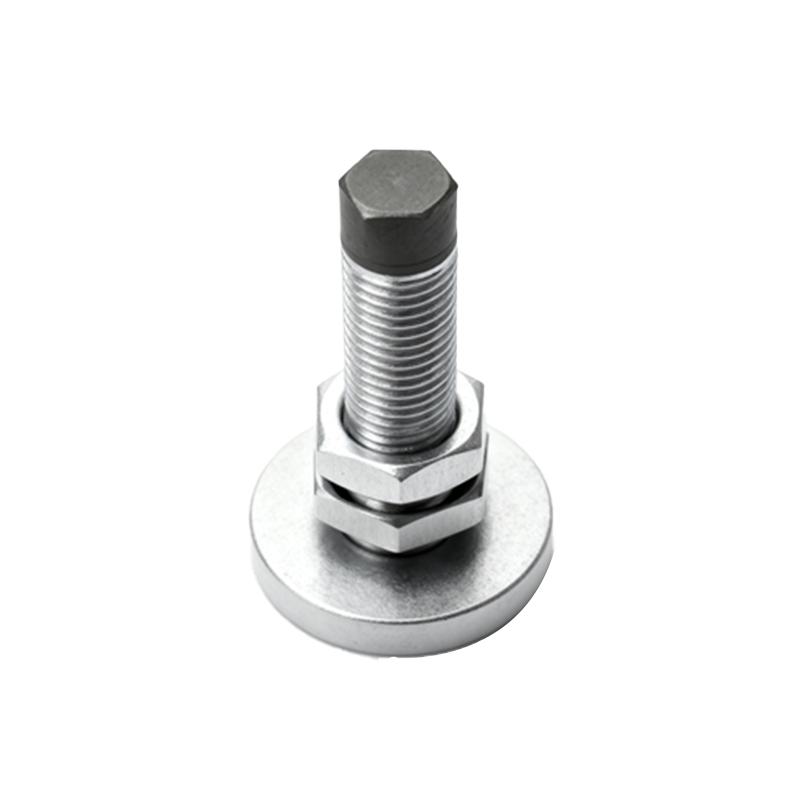
Therefore, when requesting or comparing factory prices, it is imperative to specify the exact requirements: required sensing distance and object properties (color, material, surface), housing material and size (e.g., M8, M12, M18, M30), electrical connection (connector type or cable outlet), output configuration (NPN/PNP, NO/NC, analog), special features (IO-Link, teach-in), and environmental protection rating. A sensor priced at $25 per unit in standard M18 plastic housing may see its price double or triple for an IO-Link enabled, stainless steel, long-range variant.
In conclusion, the factory price of a diffuse proximity sensor is a direct reflection of its engineered capabilities, construction integrity, and embedded intelligence. Understanding the cost structure behind the specifications empowers buyers to make informed decisions, balancing initial investment against performance, reliability, and total cost of ownership in their automation systems.