In the demanding environment of modern grain handling and processing facilities, the reliability and precision of material flow control are paramount. Among the critical components ensuring this operational integrity is the proximity sensor, specifically engineered for applications such as the GM series unloading spouts. This article delves into the technical specifications, operational principles, and significant benefits of employing high-quality proximity sensors in these systems, adhering to industry standards and best practices.
A proximity sensor, in the context of a GM unloading spout, is a non-contact electronic device designed to detect the presence or absence of the spout's positioning mechanism—typically a lever, flag, or specific metallic target—without any physical interaction. The most common technology deployed is the inductive proximity sensor. This type of sensor generates an electromagnetic field. When a metallic target (the actuator) enters this field, it induces eddy currents within the target, causing a change in the sensor's oscillation amplitude. This change is detected by the sensor's circuitry, which subsequently triggers a solid-state switching output. This output signal is then relayed to the facility's Programmable Logic Controller (PLC) or central control system, providing real-time status confirmation of whether the unloading spout is in the "engaged" or "retracted" position.
The selection of an appropriate sensor for a GM spout is dictated by several rigorous technical parameters. First is the sensing distance, or nominal range, which must be precisely calibrated to the mechanical travel of the spout's actuator. Environmental robustness is non-negotiable. Sensors are typically housed in solid nickel-plated brass or stainless-steel casings, rated at a minimum of IP67 (Ingress Protection) to withstand dust, moisture, and high-pressure washdowns common in grain facilities. Operating temperature ranges must accommodate both seasonal ambient variations and heat generated by nearby machinery. Electrical characteristics, including supply voltage (commonly 10-30V DC or 20-250V AC), output type (PNP/NPN, NO/NC), and current rating, must be compatible with the existing control architecture. Furthermore, short-circuit and overload protection, along with immunity to electromagnetic interference (EMI), are essential features for ensuring long-term stability and preventing nuisance trips.
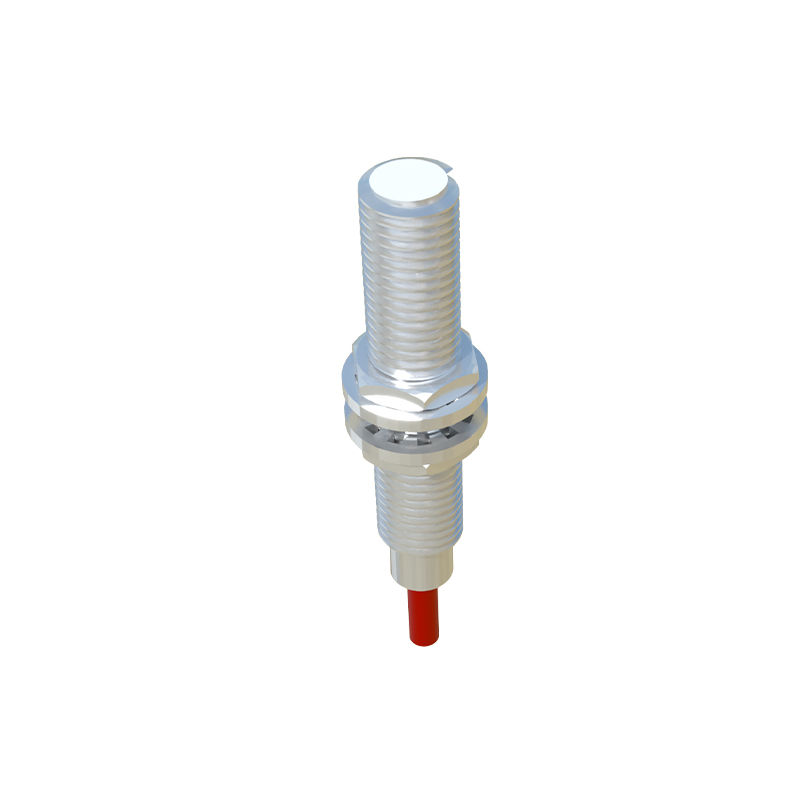
The integration of a robust proximity sensor into the GM unloading spout system yields substantial operational advantages. Primarily, it automates position verification, eliminating the need for manual visual checks by operators. This automation is a cornerstone for enabling fully sequenced, automated loading and unloading cycles, which enhance throughput and reduce cycle times. From a safety perspective, these sensors are vital. A confirmed "retracted" signal is often a permissive interlock for vehicle movement or conveyor startup, preventing catastrophic accidents that could occur if equipment were activated while the spout was incorrectly positioned. This directly protects personnel and capital assets.
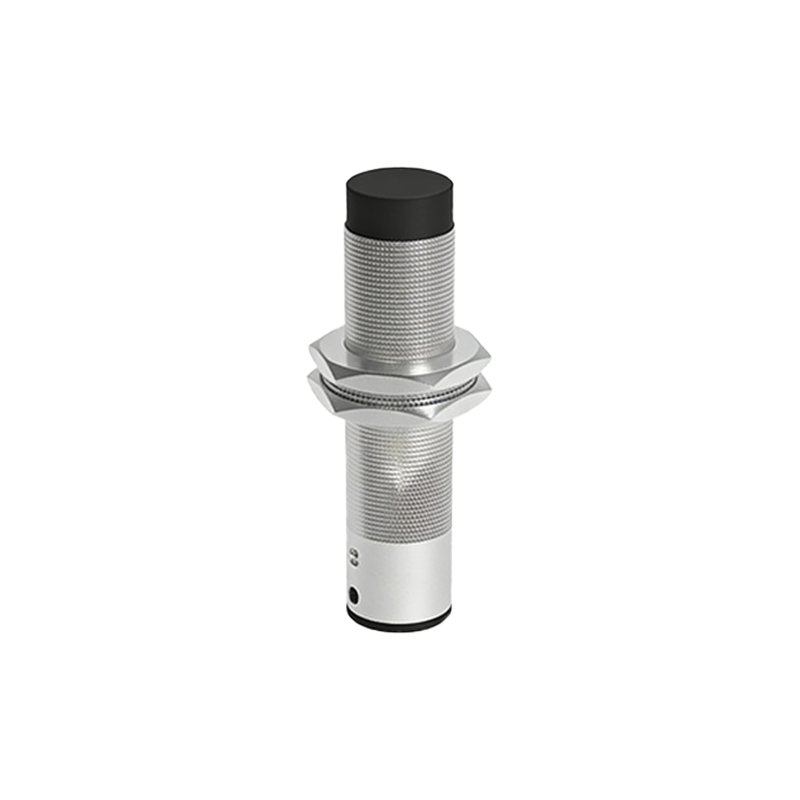
Moreover, the diagnostic capability provided by the sensor's status signal allows for predictive maintenance. Control systems can log operation counts and detect anomalies, such as a failure to reach the sensed position within an expected time window, which may indicate mechanical wear or obstruction. This facilitates maintenance scheduling before a complete failure causes unplanned downtime, which is exceptionally costly in continuous operation environments like grain terminals and feed mills.
Installation and commissioning require careful attention. The sensor must be securely mounted on a stable bracket, with its sensing face aligned parallel to the target's plane of movement at the correct air gap, as specified in the datasheet. Wiring should follow NEC (National Electrical Code) or local equivalent standards, using conduit and sealed connectors where necessary. During startup, the sensing distance should be verified and adjusted, ensuring reliable actuation without false triggers from vibration or nearby metallic structures. Regular maintenance involves periodic inspection for physical damage, accumulation of debris on the sensing face, and verification of electrical connections.
In conclusion, the proximity sensor on a GM unloading spout is far more than a simple switch. It is a sophisticated, industrially-hardened component that serves as the essential "eyes" of the control system for a critical mechanical function. Its correct selection, installation, and integration are fundamental to achieving the goals of automation, safety, and operational efficiency that define modern bulk material handling. As systems evolve towards greater connectivity and data utilization (Industry 4.0), the role of such reliable sensing elements will only become more central, providing the foundational data for optimized logistics and intelligent facility management.