In the relentless pursuit of efficiency and miniaturization within modern industrial automation, the role of sensing technology has become paramount. Among the various sensing principles, inductive proximity sensors stand out for their robustness, non-contact operation, and immunity to environmental factors like dust or oil. However, the latest frontier in this domain is the development and deployment of ultra-compact inductive proximity sensors. These miniature marvels are redefining design possibilities in machinery and automated systems where space is at an absolute premium.
The core operating principle remains unchanged from their larger counterparts. An ultra-compact inductive proximity sensor generates an oscillating electromagnetic field via a coil and ferrite core within its tiny housing. When a metallic target object enters this field, eddy currents are induced on the target's surface. This causes a change in the oscillation amplitude within the sensor, which is detected by an integrated circuit. The circuit then triggers a solid-state switch to change the output state. The engineering challenge lies in replicating this reliable detection performance within a housing that can be as small as M5, M8, or even flatter rectangular designs with sub-millimeter sensing ranges. Achieving stable oscillation and sufficient sensing distance from such a diminutive form factor requires advanced miniaturization of electronic components, precision winding of microscopic coils, and sophisticated ASIC (Application-Specific Integrated Circuit) design to handle signal processing and compensation.
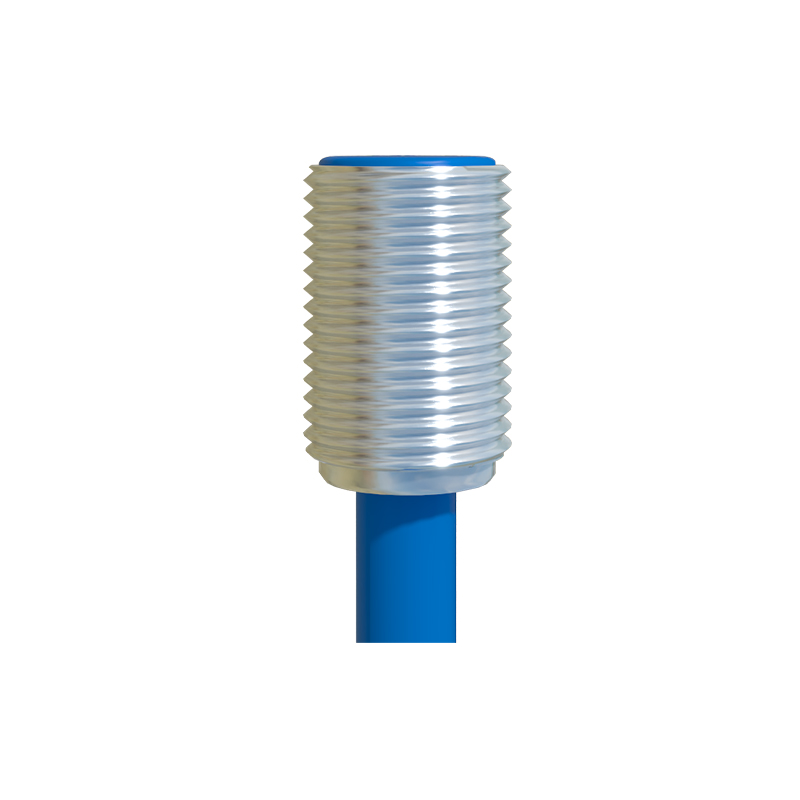
The applications for these sensors are vast and growing. They are indispensable in compact robotic grippers, allowing for precise detection of finger position or part presence without adding bulk. In semiconductor manufacturing and electronics assembly, where PCB real estate and machine footprints are critically limited, these sensors provide reliable position feedback for actuators, slides, and conveyors. Miniature packaging machines, intricate textile machinery, and high-density linear motor systems also benefit tremendously. Their small size allows for installation in previously impossible locations, enabling more comprehensive machine monitoring and control. Furthermore, the all-metal sensing face and typically welded stainless-steel housings ensure they withstand harsh washdowns in food and pharmaceutical applications, despite their small stature.
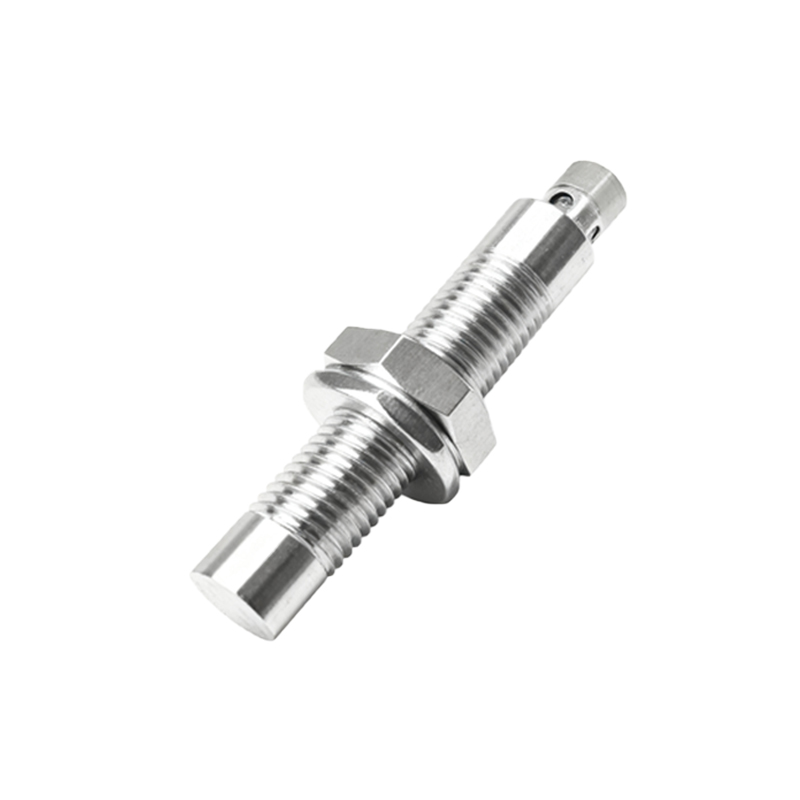
Selecting the right ultra-compact sensor requires careful consideration of several parameters beyond just size. The sensing distance, often specified as a nominal value (Sn), is naturally shorter than standard sensors but must be sufficient for the application, accounting for installation tolerances. Target material is crucial; while ferrous metals like mild steel offer the longest sensing range, sensors must also reliably detect non-ferrous metals like aluminum or copper, albeit at a reduced distance, often corrected by a material factor. The housing style—threaded barrel (e.g., M5, M8), rectangular, or slot-style—must fit the mechanical design. Electrical characteristics such as operating voltage (commonly 10-30V DC), output type (PNP/NPN, NO/NC), and current rating are fundamental for integration into the control system. Additionally, features like short-circuit protection, reverse polarity protection, and immunity to electrical noise are essential for reliable operation in electrically crowded control cabinets.
The installation and wiring of these tiny sensors demand precision. Mechanical stresses must be avoided; over-tightening a threaded sensor can easily damage the housing or internal components. Adequate clearance around the sensor head is necessary to prevent false triggering by the mounting bracket itself (the "side-access" or "flush-mountable" capability is a key spec). Using appropriate connectors, often micro-style or pre-cabled versions, is critical to ensure a secure electrical connection. Designers must also consider thermal management, as the high component density can lead to increased self-heating, though leading manufacturers design their products to operate within standard industrial temperature ranges.
Looking ahead, the trend toward miniaturization shows no signs of slowing. Future developments in ultra-compact inductive sensors will likely focus on integrating advanced diagnostics (like IO-Link communication) into the same tiny package, providing predictive maintenance data such as switch point drift or temperature warnings. Enhanced sensing ranges for non-ferrous metals and improved resistance to extreme electromagnetic interference are also key research areas. As collaborative robots (cobots), micro-assembly stations, and compact medical devices continue to evolve, the demand for these powerful, tiny sensors will only intensify.
In conclusion, ultra-compact inductive proximity sensors represent a significant engineering achievement, packing reliable metallic object detection into a footprint that was unimaginable a decade ago. They are not merely smaller versions of standard sensors but are specialized components enabling a new generation of high-density, intelligent, and flexible automation solutions. For engineers designing the next wave of industrial equipment, understanding and leveraging the capabilities of these sensors is no longer an option—it is a necessity for staying competitive in a market that constantly demands more performance in less space.