In the realm of industrial automation and control systems, two fundamental components stand out for their critical roles in object detection, positioning, and process control: proximity switches and photoelectric sensors. While both serve the essential function of sensing presence or absence without physical contact, their operating principles, applications, and advantages differ significantly, making the choice between them pivotal for system efficiency and reliability.
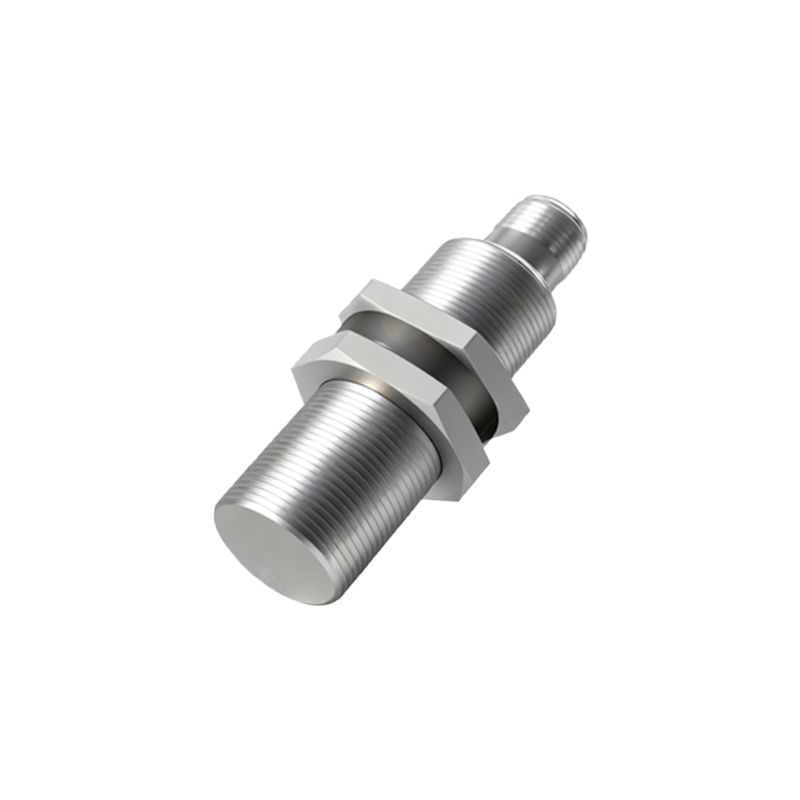
A proximity switch, often termed a proximity sensor, is a non-contact sensor that detects the presence of metallic objects within its sensing range. Its operation is primarily based on electromagnetic principles. The most common type is the inductive proximity sensor, which generates an oscillating electromagnetic field. When a metallic object enters this field, it induces eddy currents within the object, causing a change in the oscillation amplitude. This change is detected by the sensor's circuitry, which then triggers a solid-state output switch. Key characteristics include robustness, high switching frequency, and immunity to environmental factors like dust, oil, and moisture. They are predominantly used in applications involving metal detection, such as in automotive assembly lines for part counting, machine tools for position verification, and conveyor systems for jam detection. Their limitation is clear: they only detect metallic targets.
In contrast, photoelectric sensors utilize light beams to detect objects of various materials—metal, plastic, wood, glass, and even liquids. The core principle involves an emitter (light source, typically LED) and a receiver. The sensor detects changes in the received light beam caused by the target object's presence. There are three primary operating modes: through-beam (or opposed), retro-reflective, and diffuse (or proximity). Through-beam sensors offer the longest sensing ranges and highest reliability, as the object breaks a direct beam between separate emitter and receiver units. Retro-reflective types use a single housing with both emitter and receiver, detecting objects that break the beam reflected from a reflector. Diffuse sensors detect light reflected directly from the target object itself, making them simpler to install but with shorter ranges and potential sensitivity to object color and surface finish.
The applications for photoelectric sensors are vast. They are indispensable in packaging machinery for detecting transparent films or bottles, in material handling for detecting non-metallic boxes on conveyors, in the food and beverage industry for liquid level detection, and in safety systems as light curtains. Their versatility is a major strength, but they can be susceptible to environmental interferences such as ambient light, dust, fog, or dirt accumulation on lenses, which may require protective measures or regular maintenance.
Choosing between a proximity switch and a photoelectric sensor hinges on several application-specific factors. The nature of the target material is paramount: for metals only, especially in harsh industrial environments, an inductive proximity sensor is often the superior choice due to its durability and consistency. For non-metallic objects or when longer sensing distances are required, a photoelectric sensor is necessary. Other considerations include the required sensing distance (photoelectric sensors generally offer longer ranges), the operating environment (proximity sensors excel in dirty, wet conditions), response speed (both are very fast, but specific models vary), and installation constraints (photoelectric through-beam setups require alignment of two separate units).
In modern automated systems, these sensors often work in concert. A production line might use inductive proximity switches to detect metal pallets or machine parts, while photoelectric sensors count plastic containers or verify labels. The integration of these devices with Programmable Logic Controllers (PLCs) and industrial networks forms the sensory backbone of Industry 4.0, enabling precise control, data acquisition, and predictive maintenance.
In conclusion, both proximity switches and photoelectric sensors are indispensable workhorses in automation. The proximity switch offers rugged, reliable detection of metals in challenging conditions. The photoelectric sensor provides flexible, long-range detection for a vast array of materials. Understanding their distinct operating principles, strengths, and limitations allows engineers and system designers to select the optimal sensing solution, thereby enhancing productivity, ensuring safety, and driving the relentless advance of automated manufacturing and process control.