In the industrial automation and control sectors, photoelectric proximity sensors are indispensable components, enabling non-contact detection of objects through light beams. However, like any electronic device, these sensors can malfunction due to environmental factors, wear and tear, or electrical issues. When a sensor fails, a common question arises: how much does it cost to repair it? This article delves into the factors influencing repair costs, typical price ranges, and considerations for deciding between repair and replacement.
Firstly, the cost of repairing a photoelectric proximity sensor varies widely based on several key factors. The primary determinant is the type and severity of the fault. Common issues include lens contamination, LED or laser diode failure, circuit board damage, or wiring problems. Simple fixes, such as cleaning the lens or replacing a loose connection, may cost as little as $50 to $150, including labor. These are often quick repairs that can be done on-site by a technician.
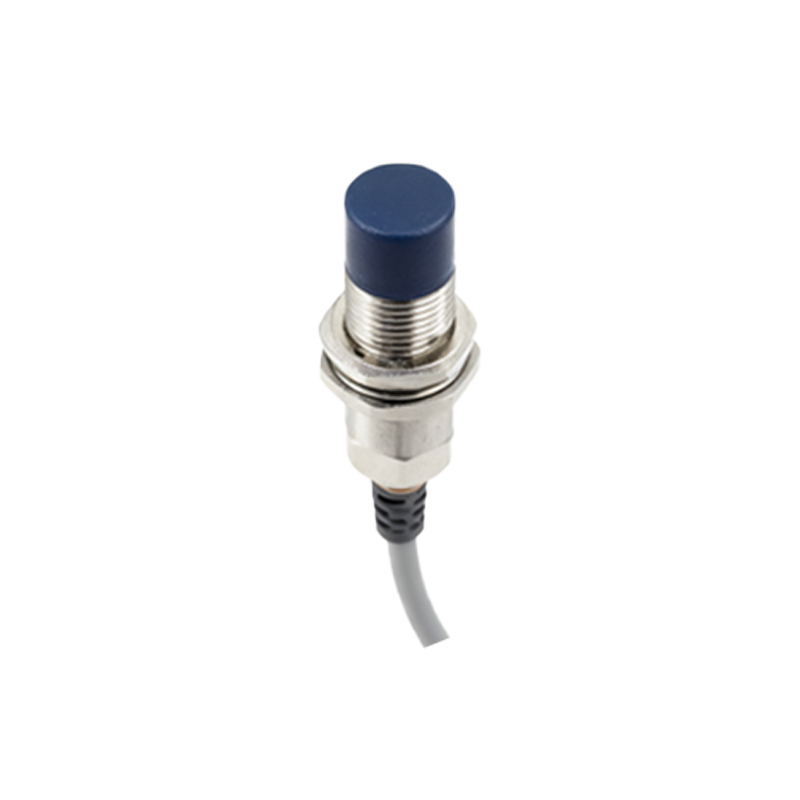
For more complex problems, such as a damaged emitter or receiver component, costs can rise significantly. Replacing internal parts like photodiodes, amplifiers, or integrated circuits typically ranges from $200 to $500, depending on the sensor model and part availability. High-end or specialized sensors, such as those with fiber optic extensions or advanced sensing capabilities, may incur higher expenses due to proprietary components. Labor charges also play a crucial role; rates vary by region and service provider, averaging $80 to $150 per hour. A repair that takes two to three hours could add $160 to $450 to the total bill.
Another factor is the sensor's brand and age. Popular brands like Omron, Sick, or Keyence might have readily available parts, but repairs can still be costly if the sensor is outdated or discontinued. In such cases, sourcing components might involve additional fees or lead times. Conversely, generic or older models might be cheaper to fix but could lack reliability. It's essential to consider the sensor's lifecycle—if it's near the end of its operational lifespan, investing in repair might not be cost-effective compared to purchasing a new unit.
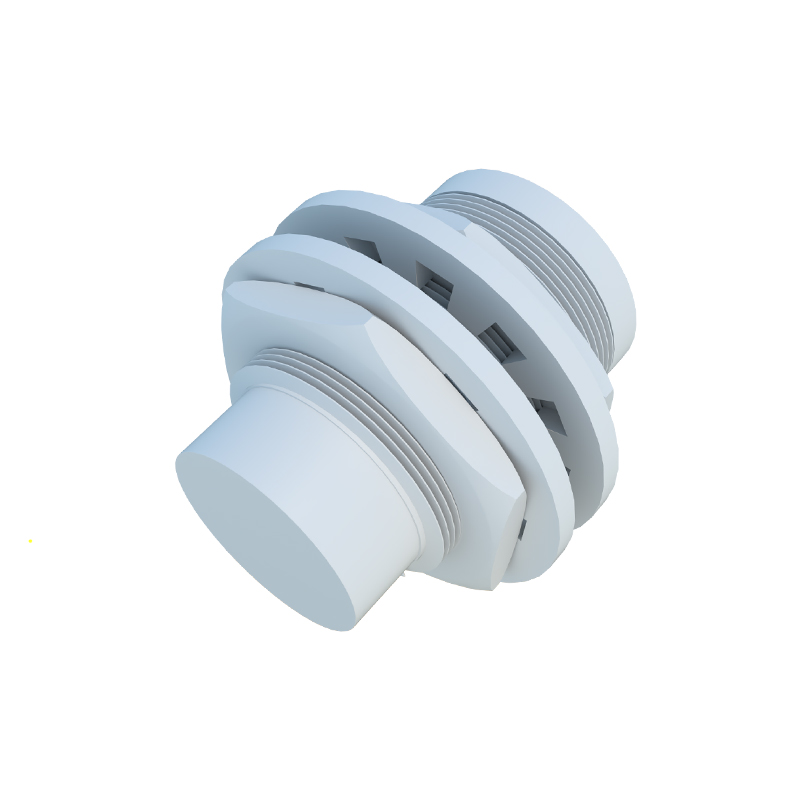
Warranty and service agreements also impact costs. If the sensor is under warranty, repairs might be free or discounted, though this often requires sending the unit to an authorized service center. Out-of-warranty repairs through OEMs (Original Equipment Manufacturers) can be expensive, sometimes approaching 50-70% of a new sensor's price. Third-party repair services offer more affordable options, with costs typically 30-50% lower, but ensure they use quality parts and have expertise in photoelectric sensors to avoid recurring issues.
When evaluating repair costs, it's wise to assess the overall context. For instance, in critical applications like manufacturing lines or safety systems, downtime costs can far exceed repair expenses. A quick repair might save thousands in lost productivity. However, if the sensor has a history of failures or is part of an obsolete system, replacement might be a better long-term investment. New sensors often come with improved features, better efficiency, and warranties, potentially reducing future maintenance needs.
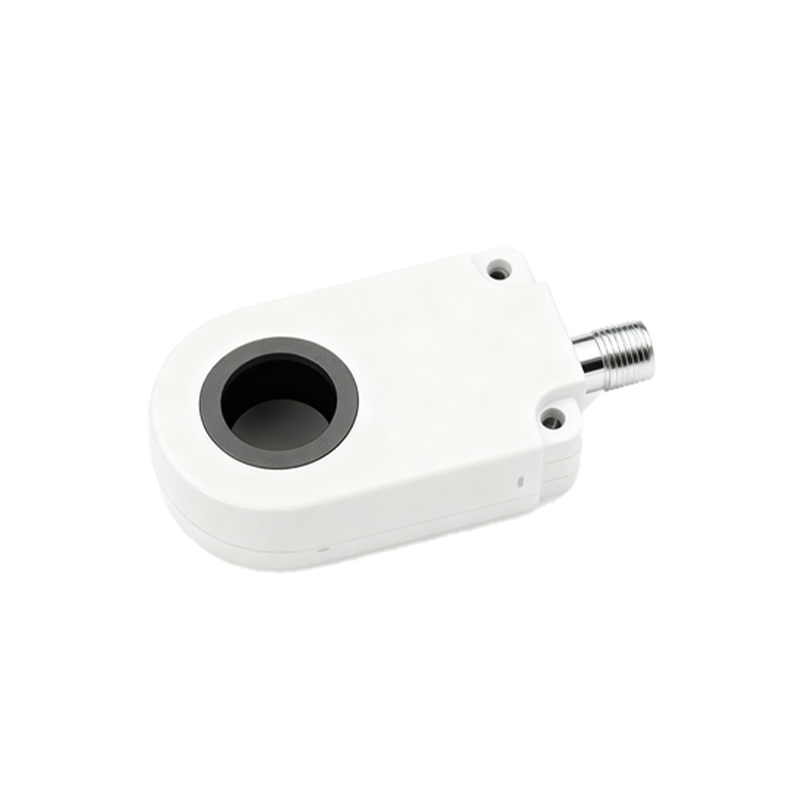
To get an accurate estimate, always consult with a qualified technician or service provider. Provide details like the sensor model, symptoms, and operating environment. Many companies offer diagnostic services for a fee (around $50 to $100), which can help pinpoint the issue before committing to a full repair. Additionally, consider preventive maintenance—regular cleaning and calibration can extend sensor life and minimize repair needs.
In summary, repairing a photoelectric proximity sensor can cost anywhere from $50 for minor fixes to over $500 for complex component replacements. The final price depends on the fault type, sensor specifications, labor rates, and service options. By weighing repair costs against replacement benefits and operational priorities, businesses can make informed decisions to maintain efficiency and reduce downtime in industrial settings.