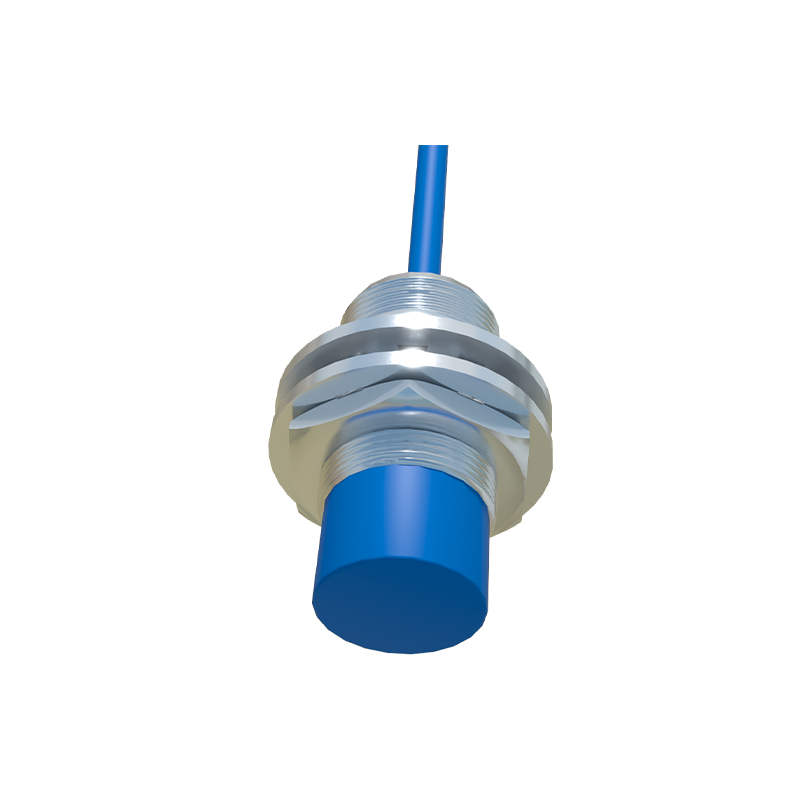
Proximity sensors, as pivotal components in automation and control systems, have revolutionized numerous industries by enabling non-contact detection of objects. These devices operate on various principles, including inductive, capacitive, ultrasonic, and magnetic sensing, each tailored to specific environmental and material requirements. Their versatility allows for deployment across diverse sectors, from manufacturing and automotive to consumer electronics and beyond.
In industrial manufacturing, proximity sensors are indispensable for assembly lines, where they monitor the presence, position, and movement of components. For instance, inductive sensors excel in detecting metallic objects in machinery, ensuring precise positioning in robotic arms or conveyor systems. This reduces downtime and enhances safety by preventing collisions. Similarly, capacitive sensors can identify non-metallic materials like plastics or liquids, making them ideal for packaging or filling operations. The automotive industry relies heavily on these sensors for tasks such as gear detection, brake monitoring, and automated door systems, contributing to improved vehicle performance and passenger safety.
Beyond traditional manufacturing, proximity sensors play a crucial role in smart infrastructure. In building automation, they are used for occupancy sensing in lighting and HVAC systems, promoting energy efficiency by adjusting settings based on human presence. Ultrasonic sensors, with their ability to detect objects over longer distances, are employed in parking assistance systems and liquid level monitoring in tanks. The consumer electronics sector also benefits, with sensors integrated into smartphones for screen dimming during calls or in home appliances like touchless faucets and automatic soap dispensers, enhancing hygiene and convenience.
Emerging technologies further expand the scope of proximity sensors. In robotics and drones, they facilitate obstacle avoidance and navigation in dynamic environments. The healthcare industry utilizes them in medical devices for precise measurements and patient monitoring, such as in infusion pumps or diagnostic equipment. Additionally, agricultural automation leverages sensors for soil moisture detection or crop monitoring, optimizing resource use. As Industry 4.0 advances, the integration of proximity sensors with IoT networks enables real-time data collection and predictive maintenance, driving efficiency in smart factories.
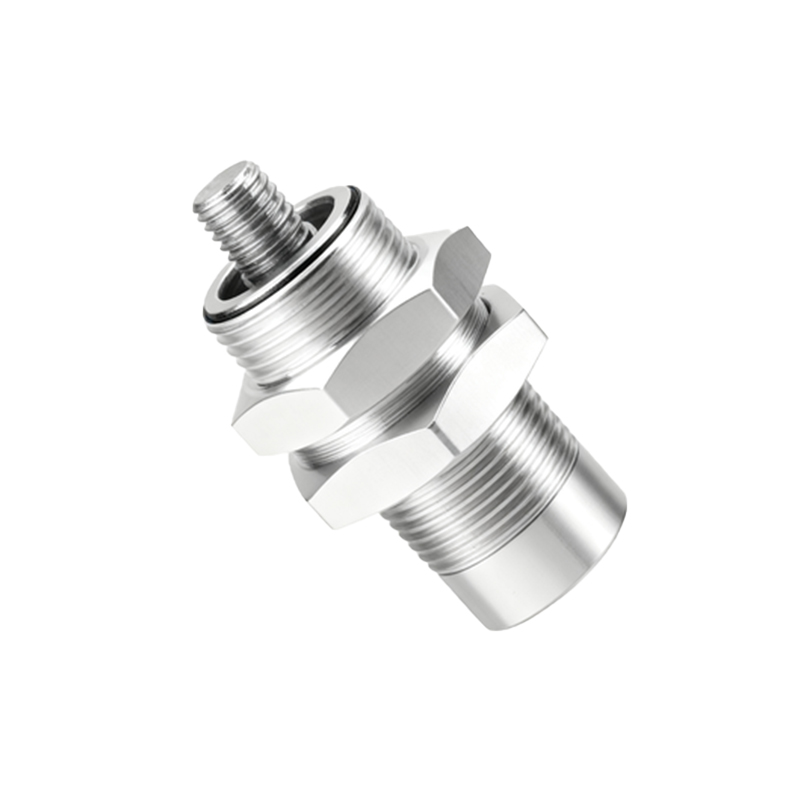
Despite their widespread use, selecting the right proximity sensor depends on factors like target material, environmental conditions (e.g., temperature, humidity), and required sensing range. Regular calibration and maintenance are essential to ensure accuracy and longevity. With ongoing innovations in miniaturization and sensitivity, proximity sensors continue to evolve, offering new possibilities for automation and safety across global industries.