In industrial automation and electronic design, proximity sensors are fundamental components used for detecting the presence or absence of objects without physical contact. A common question among engineers and technicians is whether these sensors are affected by magnets. The answer is not straightforward, as it depends on the type of proximity sensor technology employed. This article explores the interaction between magnets and various proximity sensor types, providing insights into their operational principles and potential interference issues.
Proximity sensors primarily fall into several categories: inductive, capacitive, photoelectric, and magnetic (including Hall effect and reed switch sensors). Each type operates on distinct physical principles, which dictate their sensitivity to magnetic fields.
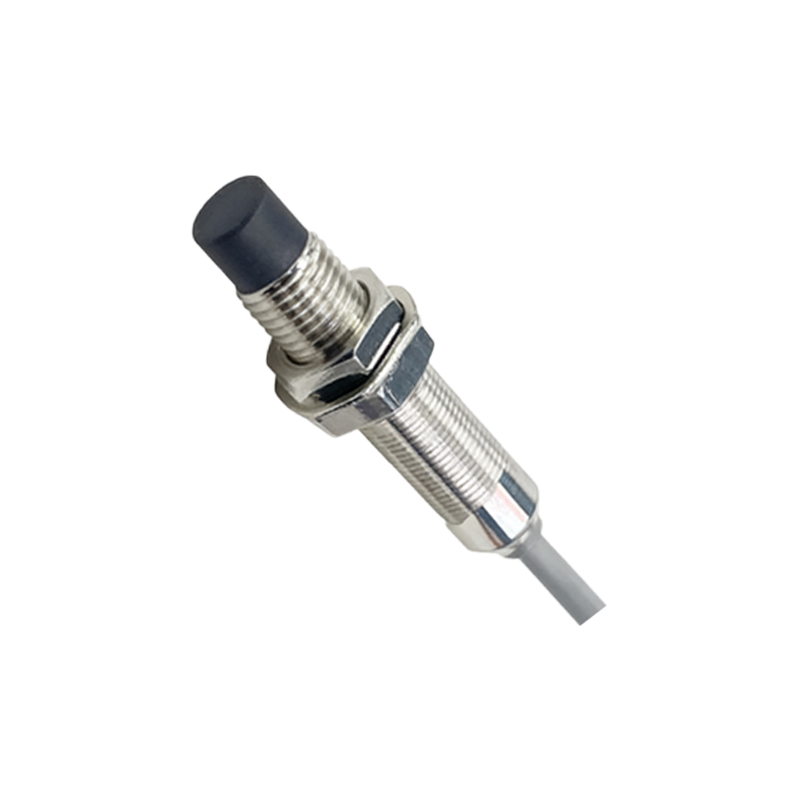
Inductive proximity sensors are widely used for detecting metallic objects. They generate an electromagnetic field and detect changes caused by conductive materials entering this field. Since they rely on electromagnetic induction, external magnetic fields from magnets can indeed interfere with their operation. Strong magnets may distort the sensor's own field, leading to false triggers or reduced detection range. For instance, a permanent magnet placed near an inductive sensor might cause it to activate prematurely or fail to detect a target. In environments with high magnetic interference, shielding or increased separation distances are recommended to maintain accuracy.
Capacitive proximity sensors detect changes in capacitance caused by both conductive and non-conductive materials. They are generally less susceptible to magnetic interference because they do not depend on electromagnetic principles. However, magnets with metallic components could indirectly affect capacitive sensors if they alter the dielectric properties of the sensing area. In most cases, though, magnets have minimal impact on capacitive sensor performance, making them suitable for applications where magnetic fields are present.
Photoelectric sensors use light beams to detect objects and are immune to magnetic interference. Since they operate on optical principles, magnets do not affect their functionality. This makes photoelectric sensors ideal for environments with strong magnetic fields, such as those near motors or magnetic separators.
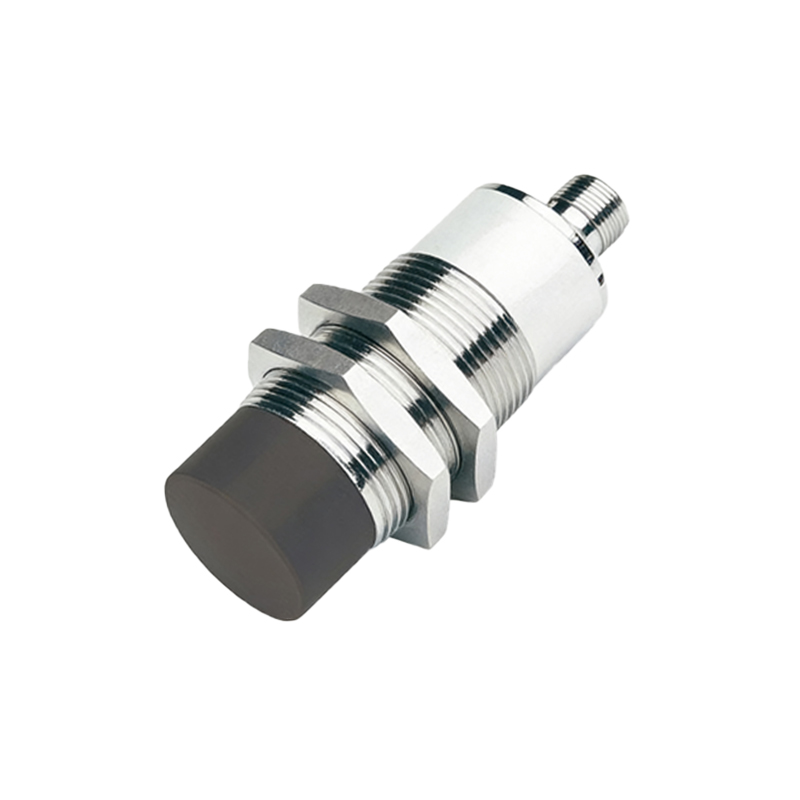
Magnetic proximity sensors, including Hall effect sensors and reed switches, are specifically designed to respond to magnetic fields. Hall effect sensors detect changes in magnetic flux, while reed switches consist of ferromagnetic contacts that close in the presence of a magnet. For these sensors, magnets are not a source of interference but rather the intended trigger. However, unintended magnetic sources can cause false activations. For example, stray magnetic fields from nearby equipment might inadvertently activate a reed switch, leading to operational errors. Proper shielding and sensor placement are crucial to mitigate such issues.
In practical applications, understanding the sensor's technology is key to assessing magnetic influence. For inductive and magnetic sensors, magnets can pose significant challenges. Engineers should consider factors like magnet strength, distance, and sensor shielding. Ferromagnetic materials in magnets can also affect inductive sensors by altering the electromagnetic field, even if the magnet itself is not moving. Testing in the actual operating environment is advisable to ensure reliability.
To minimize magnetic interference, several strategies can be employed. Using sensors with built-in shielding, such as those with metal housings, can reduce external magnetic effects. Increasing the distance between magnets and sensitive sensors is a simple yet effective approach. Additionally, selecting sensor types less prone to magnetic influence, like photoelectric or capacitive sensors, may be optimal for magnet-rich settings. In critical systems, redundancy or signal filtering can enhance robustness against sporadic magnetic disturbances.
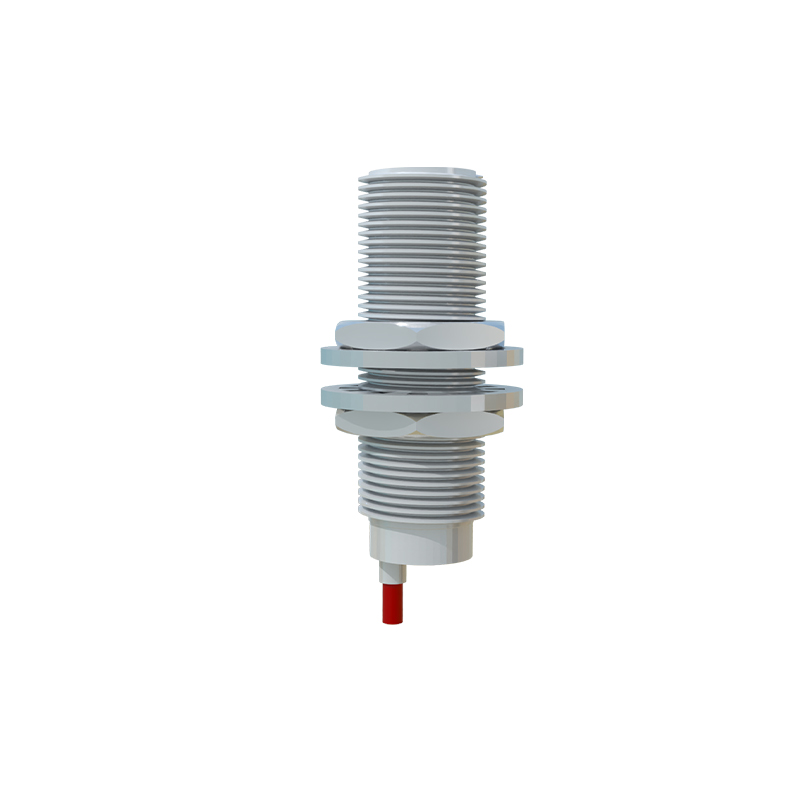
In summary, proximity sensors do get affected by magnets, but the extent varies by sensor type. Inductive and magnetic sensors are most vulnerable, while capacitive and photoelectric sensors are largely immune. By choosing the right sensor technology and implementing protective measures, engineers can ensure accurate and reliable detection in magnetic environments. Always refer to manufacturer specifications and conduct on-site evaluations to address specific interference concerns.