In the industrial automation and control sector, the selection and procurement of proximity sensors are critical decisions that impact system reliability, efficiency, and overall operational cost. As a seasoned electrical engineer, I am often asked, "Where is the best place to buy proximity sensors?" The answer is not a single vendor but a strategic approach based on technical requirements, supply chain needs, and total cost of ownership. This guide outlines the primary procurement channels and key considerations for industry professionals.
The first and most traditional channel is purchasing directly from the original equipment manufacturer (OEM). Leading global brands like Siemens, Omron, Schneider Electric, Rockwell Automation (Allen-Bradley), and Pepperl+Fuchs maintain robust direct sales networks. Buying from an OEM ensures you receive genuine, certified products with full traceability. This is paramount for applications in regulated industries such as pharmaceuticals, food and beverage, or automotive manufacturing, where sensor specifications and documentation are audited. Direct purchase also grants access to comprehensive technical support, detailed datasheets, application engineering advice, and often, customized solutions. The primary drawback can be cost, especially for small-volume orders, and sometimes longer lead times for specialized models.
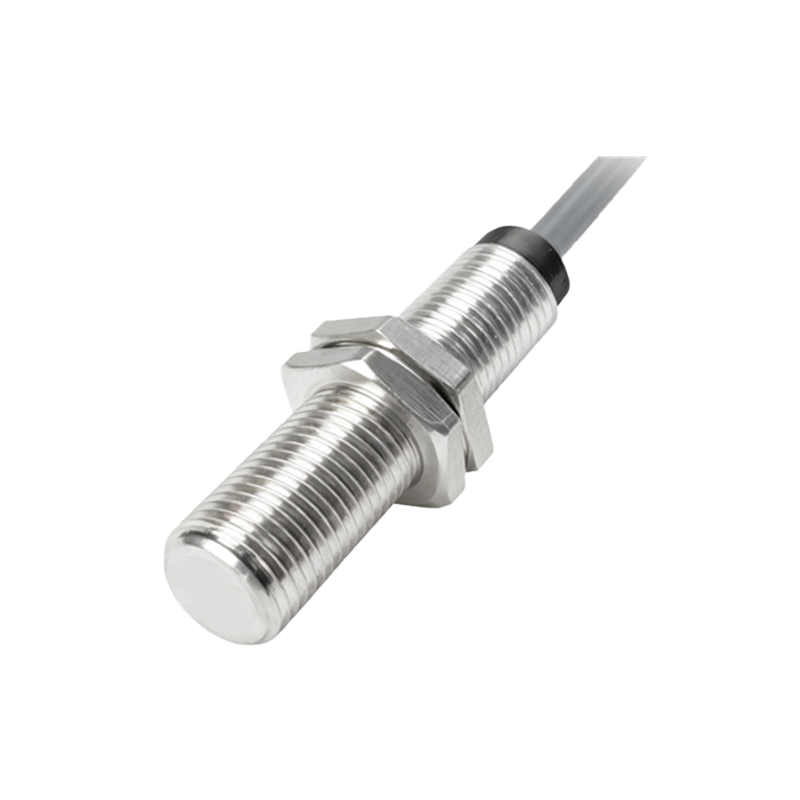
For many projects, especially those requiring a blend of brands or standard models for maintenance and repair operations (MRO), authorized distributors are the workhorse of procurement. Established global distributors like Allied Electronics, Digi-Key, and RS Components, or regional specialists, hold agreements with multiple OEMs. They offer several advantages: consolidated shipping for multi-brand orders, local inventory for faster delivery, and often more flexible payment and return policies. A reputable authorized distributor guarantees the authenticity of the parts, which is a significant risk mitigation factor against counterfeit components that can cause catastrophic failures. When using distributors, verify their authorization status on the OEM's official website.
The rise of e-commerce and specialized industrial marketplaces has created a third major channel. Platforms like Amazon Business, Zoro, and even OEMs' own online stores provide a streamlined purchasing experience with transparent pricing, user reviews, and rapid checkout. These are excellent for buying standard, off-the-shelf inductive, capacitive, or ultrasonic proximity sensors for non-critical applications or prototyping. However, extreme caution is advised. Ensure the seller is an authorized reseller. The open nature of these platforms can attract sellers of refurbished, grey-market, or counterfeit goods, which pose severe risks to system integrity and safety.
Beyond these, for highly specialized or cost-sensitive projects in large volumes, companies may engage with system integrators or contract manufacturers. These partners source sensors as part of a larger subsystem or assembly. The buying leverage and technical oversight they provide can be beneficial, but the end-user has less direct control over the specific component selection.
The "best" place to buy is determined by a matrix of factors. Begin with a clear technical specification: sensing distance, output type (PNP/NPN, analog, IO-Link), housing material (stainless steel, brass, plastic), and required certifications (ATEX, IECEx, UL). For a one-off machine upgrade with a specific Siemens PLC, buying a compatible Siemens sensor from an authorized distributor or directly might be optimal. For stocking a plant's MRO cabinet with standard 18mm inductive sensors, a trusted online industrial supplier with next-day delivery could be perfect.
Supply chain resilience is now a top-tier consideration. Evaluate potential suppliers on inventory transparency, lead time consistency, and geographic diversity of their warehouses. A supplier with a single source is a risk. Furthermore, consider the total cost, which includes the unit price, shipping, import duties (for international orders), potential downtime costs from delays, and the value of technical support.
In conclusion, there is no universal "best" vendor. The optimal procurement strategy for proximity sensors involves a hybrid model. Develop preferred partnerships with one or two key authorized distributors for most routine needs. Maintain a direct line with OEM technical sales for complex, new, or safety-critical applications. Use reputable online platforms cautiously for well-defined, standard items. Always prioritize certified channels over unverified price discounts. The reliability of your automation system hinges on the quality of its smallest components; therefore, strategic sourcing is not just a purchasing activity but a fundamental engineering responsibility.