In the realm of industrial automation and control systems, proximity switch sensors stand as fundamental components, enabling non-contact detection of objects with precision and reliability. As an electrical engineer, understanding the principles, types, and applications of these sensors is crucial for designing efficient and robust systems. This guide delves into the core concepts of proximity switch sensors, tailored for industry professionals.
At its essence, a proximity switch sensor is a device that detects the presence or absence of an object within its sensing range without any physical contact. It operates by emitting an electromagnetic field, beam of light, or ultrasonic waves and then monitoring for changes in the return signal or field. When a target object enters the sensor's effective range, it causes a detectable alteration, prompting the sensor's output circuit to switch states. This output is typically a clean, binary signal—either ON or OFF—making it ideal for integration into Programmable Logic Controllers (PLCs), counters, and other control logic.
The primary advantage of non-contact sensing is the elimination of mechanical wear and tear, leading to significantly longer operational life compared to mechanical limit switches. Furthermore, these sensors can detect a wide variety of materials, operate at high speeds, and function reliably in harsh environments involving dust, oil, or moisture, provided the correct housing rating (e.g., IP67) is selected.
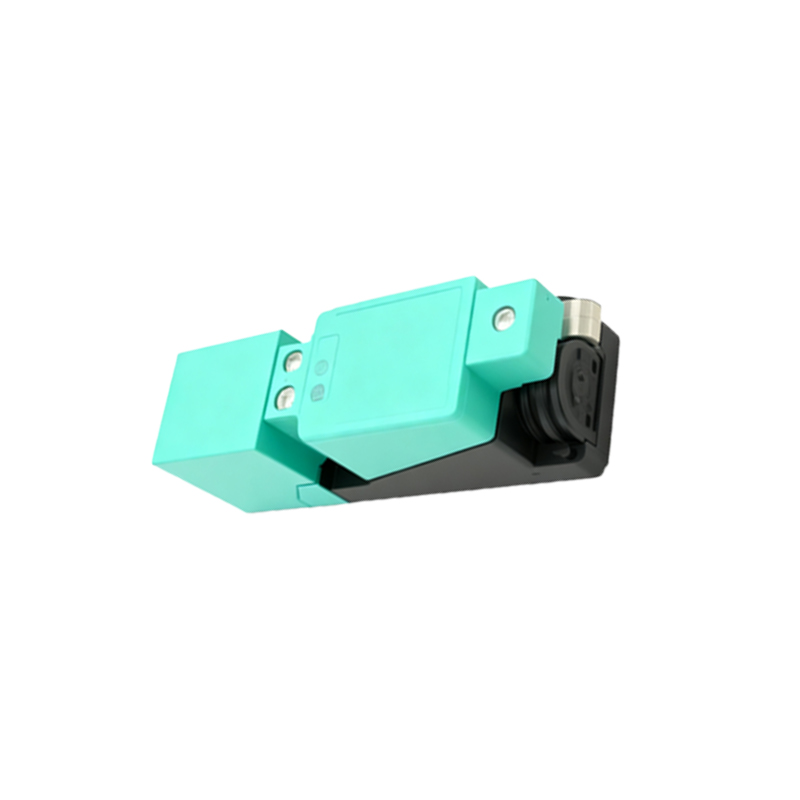
Proximity sensors are broadly categorized based on their underlying detection technology. The most common types include:
1. Inductive Proximity Sensors: These are the workhorses of metal detection. They generate an oscillating electromagnetic field from a coil in the sensing face. When a conductive metal target enters this field, eddy currents are induced in the target, which dampens the oscillation. The sensor's circuit detects this damping and triggers the output switch. They are exclusively for detecting metals, with different models optimized for ferrous (iron, steel) or non-ferrous (aluminum, copper) metals. Their sensing range is relatively short, typically up to 60mm.
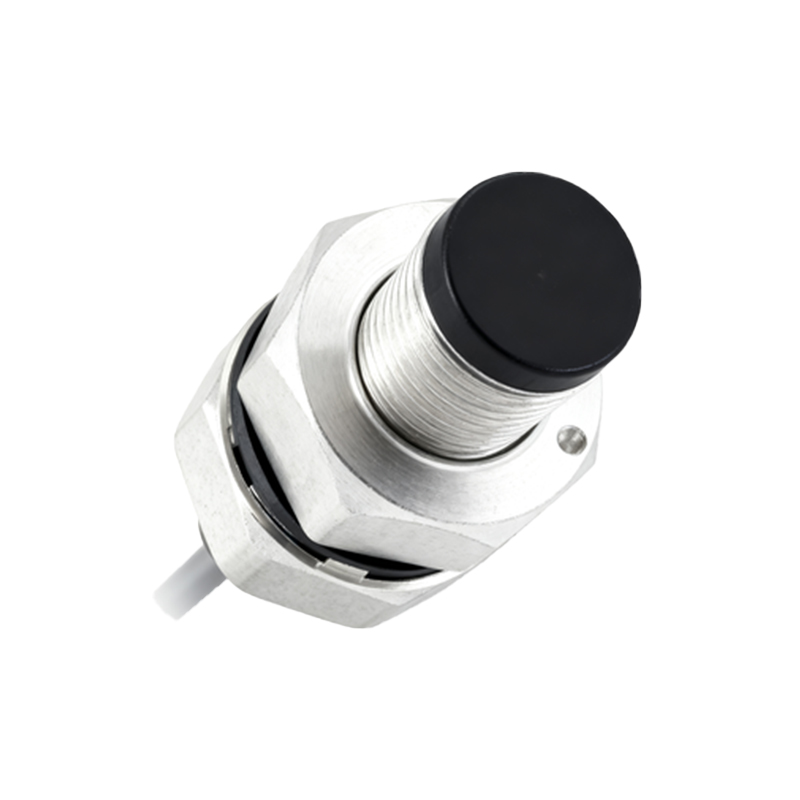
2. Capacitive Proximity Sensors: These sensors can detect both metallic and non-metallic materials, including liquids, plastics, glass, and wood. They function by generating an electrostatic field. Any object that enters this field alters the sensor's capacitance. Once the change reaches a predetermined threshold, the output switches. They are perfect for applications like level detection in tanks or detecting filled packages on a conveyor line. Their sensing range is similar to inductive types.
3. Photoelectric Sensors: Utilizing a light transmitter (often LED) and a receiver, these sensors detect objects based on the interruption or reflection of a light beam. They offer the longest sensing ranges, from a few centimeters to over 100 meters. Common modes include through-beam (separate transmitter and receiver), retro-reflective (uses a reflector), and diffuse (reflection from the object itself). They are versatile for detecting objects of almost any material, color, or shape.
4. Ultrasonic Sensors: These sensors measure the time taken for a high-frequency sound wave to reflect off a target and return to the sensor. They are excellent for distance measurement, level control, and detecting transparent or variably colored objects that might challenge photoelectric sensors. They are less affected by dust, smoke, or ambient light.
Key selection parameters for an engineer include:
Sensing Range: The nominal distance at which the sensor can reliably detect a standard target.
Target Material: Metal, plastic, liquid, etc.
Output Type: NPN (sinking) or PNP (sourcing) transistor outputs, or analog outputs for distance-proportional signals.
Housing and Form Factor: Cylindrical (e.g., M8, M12, M18, M30 threads) or rectangular, with appropriate ingress protection (IP) ratings.
Switching Frequency: How quickly the sensor can toggle its output, critical for high-speed counting.
Applications are ubiquitous across manufacturing. Inductive sensors count metal parts on an assembly line or confirm the position of a robotic arm. Capacitive sensors monitor fluid levels in chemical processing. Photoelectric sensors ensure correct packaging alignment, while ultrasonic sensors manage pallet stacking height in warehouses.
In conclusion, the proximity switch sensor is an indispensable tool in the electrical engineer's arsenal. Its ability to provide reliable, wear-free, and fast object detection forms the sensory foundation of modern automated systems. A thorough grasp of the different technologies and their respective strengths allows for optimal sensor selection, ensuring system efficiency, reliability, and longevity in any industrial application.