In the modern automotive industry, the integration of advanced safety and convenience features has become a standard expectation. Among these, the tailgate proximity sensor plays a crucial role in enhancing vehicle functionality and user experience. This article delves into the typical location of the tailgate proximity sensor, its operational principles, and considerations for maintenance, tailored for automotive engineers, technicians, and enthusiasts in the electrical and electronic sectors.
The tailgate proximity sensor is primarily designed to detect obstacles or objects near the rear of a vehicle, particularly when the tailgate is in motion during automatic opening or closing operations. This sensor is a key component of power liftgate systems, contributing to safety by preventing collisions and damage. In most vehicle models, the sensor is strategically positioned to optimize detection range and accuracy. Common locations include the inner edge of the tailgate, near the latch mechanism, or integrated into the rear bumper area. Some designs incorporate the sensor within the tailgate handle assembly, allowing for seamless detection without compromising aesthetics.
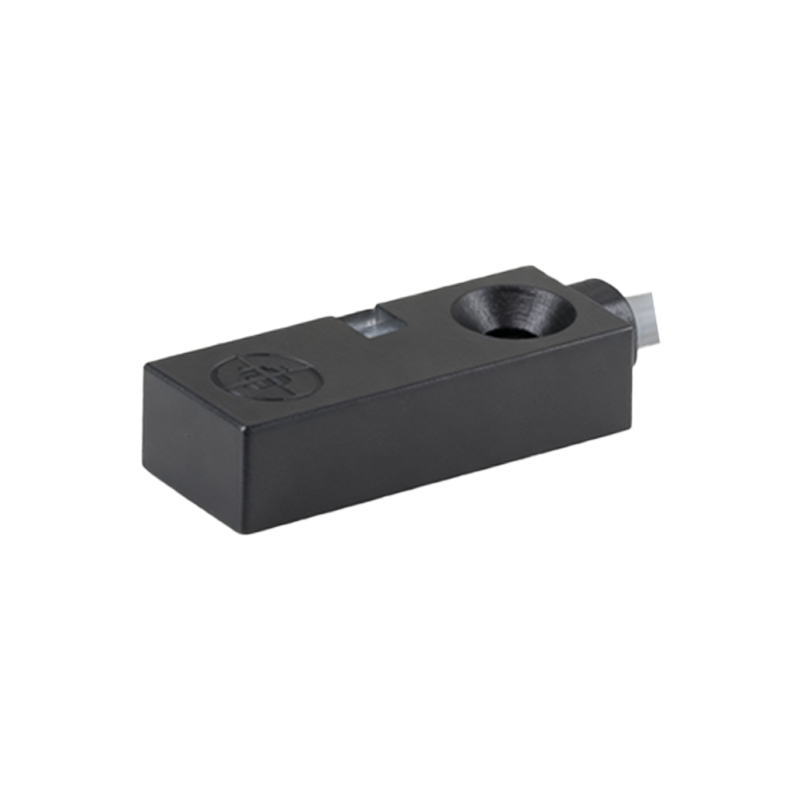
From an engineering perspective, the tailgate proximity sensor typically operates based on electromagnetic or capacitive sensing technologies. Electromagnetic sensors, such as inductive or Hall effect sensors, detect metallic objects by measuring changes in magnetic fields. Capacitive sensors, on the other hand, sense the presence of any object by monitoring alterations in capacitance caused by proximity. The choice of technology depends on factors like cost, environmental resilience, and detection requirements. For instance, capacitive sensors are often preferred for their ability to detect non-metallic materials, making them suitable for diverse real-world scenarios.
Installation and alignment are critical for optimal performance. The sensor must be calibrated to avoid false triggers, such as from rain or debris, while ensuring reliable obstacle detection. In many vehicles, the sensor is connected to the vehicle's central electronic control unit (ECU) or a dedicated module that processes signals and commands the tailgate motor accordingly. Wiring harnesses route from the sensor to the ECU, usually following paths along the tailgate hinges or through flexible conduits to withstand repeated movement. Engineers must account for factors like vibration, temperature extremes, and electromagnetic interference during design to ensure durability and consistent operation.
Troubleshooting common issues with tailgate proximity sensors involves checking for physical damage, corrosion, or misalignment. Diagnostic tools, such as multimeters or oscilloscopes, can be used to verify signal integrity and power supply. In cases of sensor failure, replacement requires careful removal of interior trim panels or bumper covers to access the unit. It is essential to consult vehicle-specific service manuals for precise instructions, as locations can vary between manufacturers and models. For example, in some SUVs or hatchbacks, the sensor might be housed within a dedicated module behind the rear license plate, while in luxury vehicles, it could be part of a sophisticated surround-view camera system.
Regular maintenance includes cleaning the sensor surface to prevent obstruction from dirt or ice, which can impair functionality. Additionally, software updates from manufacturers may address sensitivity adjustments or bug fixes related to sensor performance. As automotive technology evolves, newer models are integrating ultrasonic or radar-based sensors for enhanced precision, often combining multiple sensors to create a comprehensive detection zone around the vehicle.
In summary, the tailgate proximity sensor is a vital element in modern automotive electrical systems, promoting safety and convenience. Its location is typically near the tailgate or rear bumper, with specific placement tailored to vehicle design. Understanding its operation and maintenance is key for professionals in the electrical industry to ensure reliable performance and customer satisfaction. As vehicles become more automated, the role of such sensors will continue to expand, driving innovation in proximity detection and integration with other automotive systems.