Inductive proximity sensors have become a cornerstone in modern industrial automation, offering unparalleled reliability and efficiency in detecting metallic objects without physical contact. These sensors operate on the principle of electromagnetic induction, where an oscillator generates a high-frequency magnetic field. When a metallic target enters this field, eddy currents are induced, causing a change in the oscillator's amplitude. This change is detected by the sensor's circuitry, triggering an output signal. The absence of moving parts and contact-based mechanisms significantly reduces wear and tear, ensuring a long operational lifespan even in harsh environments.
One of the primary advantages of inductive proximity sensors is their robustness. Designed to withstand extreme conditions, including dust, moisture, vibrations, and temperature fluctuations, they are ideal for heavy-duty applications in manufacturing, automotive, and material handling industries. Their sealed housings, often made from stainless steel or nickel-plated brass, provide excellent resistance to corrosion and mechanical stress. This durability translates to reduced maintenance costs and minimized downtime, enhancing overall productivity.
Another key benefit is the high switching frequency and precision of these sensors. Capable of detecting objects at speeds up to several thousand operations per second, they enable rapid and accurate control in automated systems. The sensing range, though limited to a few millimeters to tens of millimeters depending on the sensor size and target material, is highly consistent, allowing for repeatable measurements. This precision is crucial in applications such as position monitoring, counting, and quality control, where even minor errors can lead to significant operational issues.
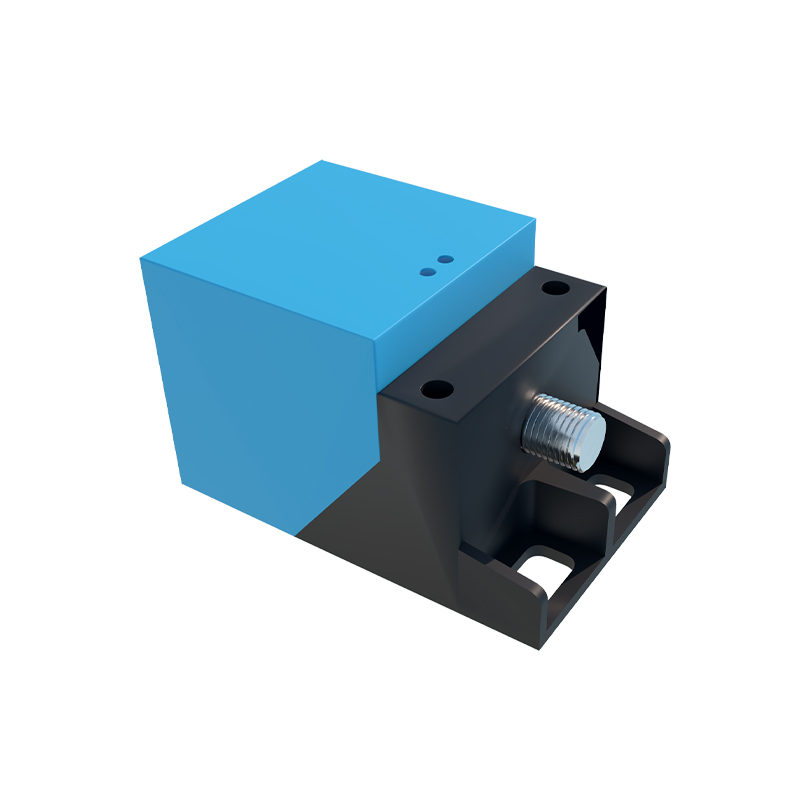
Inductive proximity sensors are also celebrated for their simplicity and ease of integration. With no need for external power sources for the target object and minimal wiring requirements, they streamline installation processes. Many models feature standardized form factors and output types (e.g., NPN, PNP, or analog), making them compatible with a wide range of controllers and PLCs. Additionally, their immunity to environmental factors like ambient light or sound interference ensures stable performance, unlike optical or ultrasonic sensors that may be affected by such conditions.
Energy efficiency is another notable advantage. Consuming low power during operation, these sensors contribute to sustainable industrial practices by reducing overall energy consumption. Their solid-state design eliminates the risk of sparking, making them safe for use in explosive or flammable atmospheres when appropriately rated. This safety aspect, combined with compliance with international standards like IEC 60947-5-2, underscores their reliability in critical applications.
In summary, inductive proximity sensors offer a compelling blend of durability, precision, ease of use, and safety. Their ability to perform reliably under challenging conditions while maintaining high accuracy makes them indispensable in advancing industrial automation. As technology evolves, ongoing innovations in miniaturization and smart features continue to expand their applications, solidifying their role as a vital component in efficient and resilient manufacturing ecosystems.