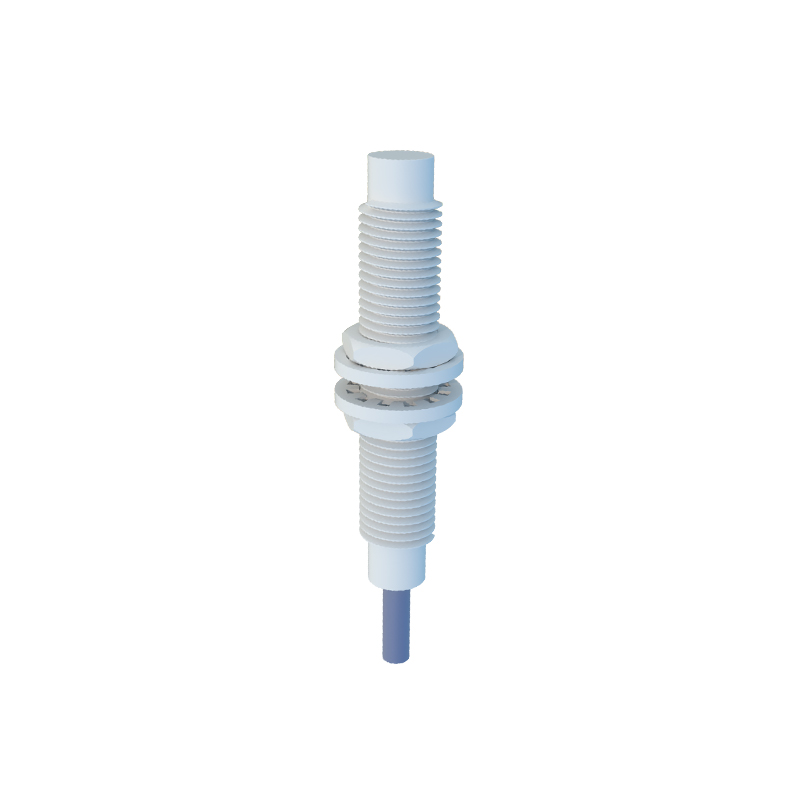
M6 proximity sensors with a 3-wire configuration are among the most widely used non-contact sensing devices in industrial automation. These compact, cylindrical sensors offer reliable detection of metallic objects without physical contact, making them essential for position sensing, counting, and safety applications in machinery and production lines. The M6 designation refers to the sensor's 6mm threaded barrel housing, which is standardized for easy mounting in tight spaces.
The 3-wire design represents a significant advancement over 2-wire sensors, providing separate power, ground, and signal wires. This architecture allows for improved performance, including lower leakage current, better switching accuracy, and compatibility with a broader range of programmable logic controllers (PLCs) and control systems. Typically operating on DC voltages ranging from 10-30V DC, these sensors output either a PNP (sourcing) or NPN (sinking) signal, with PNP being more common in European and North American standards for positive switching logic.
Key operational principles center on electromagnetic induction for inductive-type M6 sensors, which detect ferrous and non-ferrous metals. When a metal target enters the sensor's sensing range—usually up to 2mm for standard M6 models—it disrupts an oscillating electromagnetic field, triggering a solid-state switch that changes the output signal state. This provides a clean, bounce-free signal ideal for high-speed counting or precise positioning. For non-metallic object detection, capacitive M6 3-wire variants are available, though inductive types dominate industrial settings.
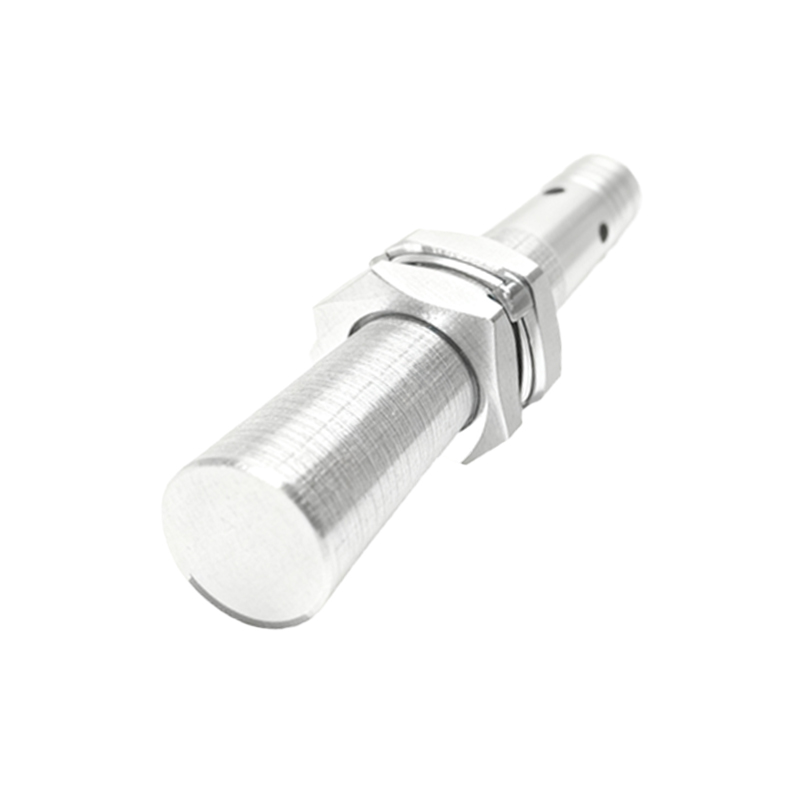
Installation and wiring follow straightforward practices. The three wires are typically color-coded: brown for positive voltage supply (V+), blue for ground (0V), and black for the output signal. Proper shielding and routing away from high-voltage cables minimize electrical noise interference. Environmental considerations include selecting sensors with appropriate IP (Ingress Protection) ratings, such as IP67, for resistance to dust, coolants, and temporary immersion, ensuring durability in harsh manufacturing environments.
Performance characteristics to evaluate include sensing distance, repeat accuracy, response frequency (often up to 5 kHz), and temperature tolerance (commonly -25°C to 70°C). Advanced features like short-circuit protection, reverse polarity protection, and LED status indicators enhance reliability and ease of maintenance. When integrating these sensors, engineers must account for factors like target material, size, and approach direction, as these affect the effective sensing range.
Applications span diverse industries: in automotive assembly, M6 3-wire sensors verify part presence on conveyor belts; in packaging machinery, they detect fill levels or cap positions; in robotics, they serve as end-of-arm tooling limit switches. Their robustness and precision also make them suitable for CNC machine tooling, material handling systems, and safety interlocks.
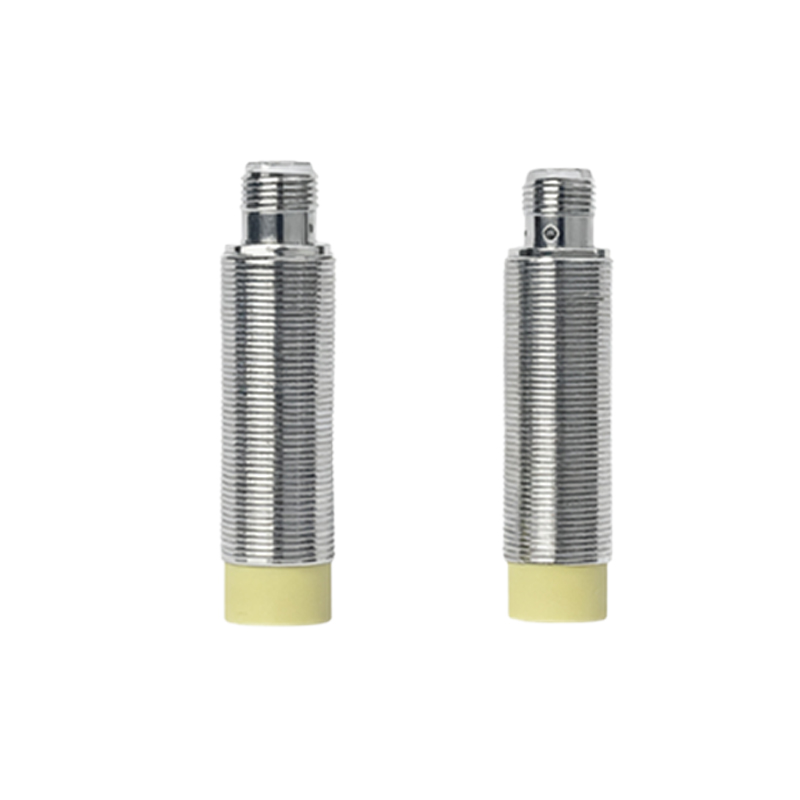
Troubleshooting common issues involves checking power supply stability, verifying wiring connections, and ensuring targets are within specified ranges. Regular maintenance includes cleaning the sensing face to prevent false triggers from debris accumulation. As Industry 4.0 evolves, modern M6 sensors increasingly incorporate IO-Link communication for digital diagnostics and parameterization, enabling predictive maintenance and smarter factory networks.
In summary, the M6 3-wire proximity sensor is a versatile, reliable component that balances compact design with high performance. Its standardized form factor and electrical compatibility ensure seamless integration into existing control architectures, while ongoing innovations in materials and electronics continue to expand its capabilities in automated systems worldwide.