In the dynamic landscape of industrial automation and machinery, proximity sensors stand as critical components for non-contact detection, ensuring precision, safety, and efficiency. For procurement specialists, maintenance engineers, and project managers seeking to acquire these essential devices, navigating the supply chain requires clear and direct contact channels. This guide outlines the primary contact methods and considerations for sourcing high-quality proximity sensors.
The first and most traditional point of contact is through authorized distributors and representatives of major sensor manufacturers. Companies like Omron, Schneider Electric, Siemens, and Pepperl+Fuchs maintain extensive global networks. To initiate contact, visit the official corporate website and navigate to the "Where to Buy," "Distributor Locator," or "Contact Sales" sections. These portals typically allow you to search by country, region, or product line, providing direct phone numbers, email addresses, and local office details. When contacting a distributor, be prepared with your technical specifications: required sensing type (inductive, capacitive, ultrasonic, photoelectric), sensing distance, output type (PNP/NPN, analog, IO-Link), housing material (stainless steel, nickel-plated brass), and connection method (cable or connector). This preparation ensures you receive accurate quotations and technical support.
For large-scale OEM projects or specialized applications requiring custom solutions, direct engagement with the manufacturer's sales engineering team is advisable. This contact is often facilitated through a dedicated "Industrial Sales" or "Key Account Management" email or phone line listed on the website. A formal request for quotation (RFQ) sent via email should include detailed project parameters, annual volume forecasts, and desired certification standards (e.g., ATEX, IECEx for hazardous areas). Building a relationship with a sales engineer can provide access to application expertise, sample units for testing, and more favorable commercial terms.
The digital marketplace has become an indispensable resource. Major industrial suppliers like RS Components, Digi-Key, and Newark maintain comprehensive online catalogs. Their platforms feature real-time stock levels, detailed datasheets, and automated quoting tools. Contact is often through integrated live chat functions, customer service hotlines, or account manager assignments for registered business users. These platforms are ideal for prototyping, maintenance, repair, and operations (MRO) purchases, or for sourcing less common sensor variants quickly.
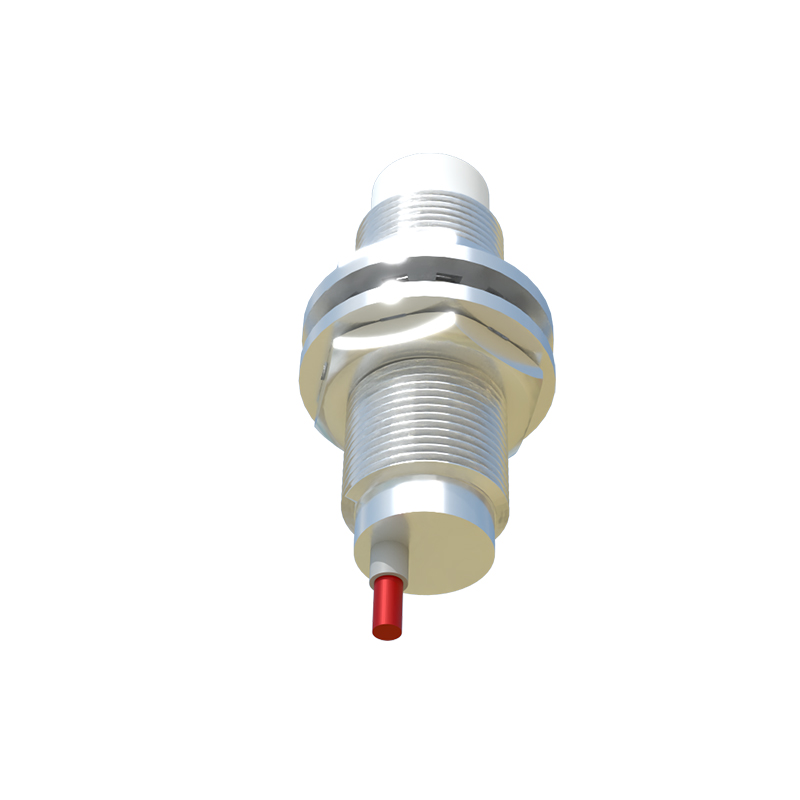
Professional networking platforms, notably LinkedIn, serve as a valuable channel for connecting with sales professionals and product specialists from sensor companies. Following target companies and engaging with their content can provide insights into new product launches and connect you directly with decision-makers. A direct message through LinkedIn, while professional in tone, can be an effective way to inquire about product capabilities and request a formal communication channel.
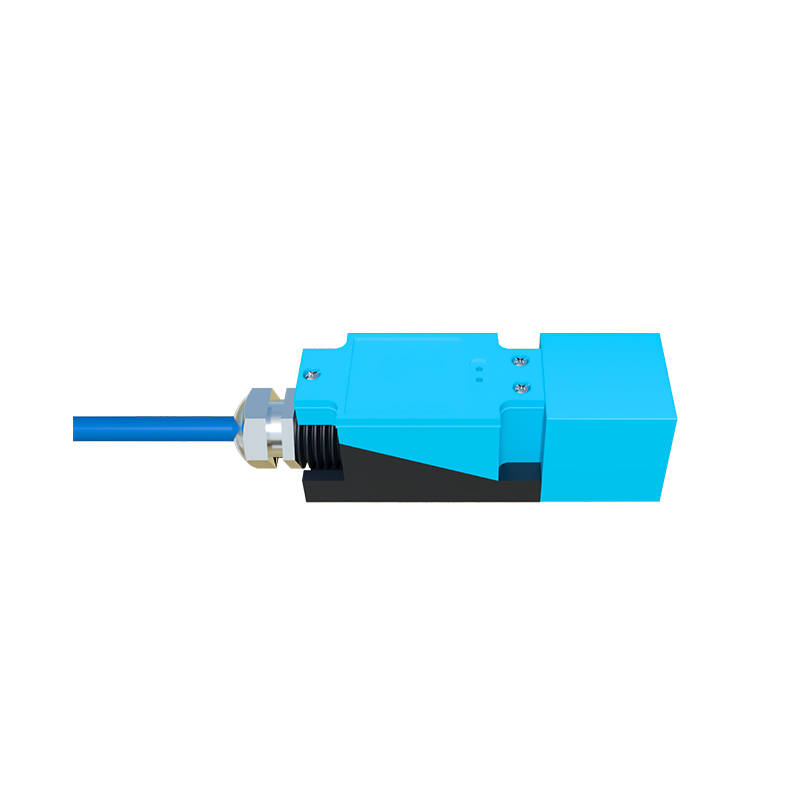
Industry trade shows and exhibitions, such as Hannover Messe, SPS, or Automate, offer unparalleled face-to-face contact opportunities. Attending these events allows you to meet technical and sales representatives, examine products firsthand, and discuss specific application challenges. Collecting business cards and following up via email post-event solidifies the connection and moves the conversation toward a commercial proposal.
When establishing contact, professionalism and clarity are paramount. Regardless of the channel, your initial communication should concisely state your company's profile, application need, and technical requirements. Follow up diligently on quotations and proposals. Evaluate potential suppliers not only on price but also on technical support capability, lead times, warranty terms, and their ability to provide consistent quality across batches.
In conclusion, acquiring proximity sensors involves leveraging multiple contact avenues, from traditional distributor networks and direct manufacturer sales to digital platforms and industry events. A strategic, well-prepared approach to initiating and maintaining these contacts is fundamental to securing a reliable supply of sensors that meet the exacting demands of modern industrial systems.