In the rapidly evolving landscape of industrial automation and smart systems, infrared (IR) proximity sensors have cemented their role as indispensable components. Their pricing, a critical factor for procurement decisions across sectors like manufacturing, automotive, and consumer electronics, is influenced by a complex matrix of technological, economic, and supply chain variables. This analysis delves into the current market dynamics shaping infrared proximity sensor factory prices, offering insights for engineers and procurement specialists.
At its core, the factory price of an IR proximity sensor is primarily determined by its technical specifications and performance envelope. Key factors include sensing range, accuracy, response time, and the type of infrared technology employed—modulated, pulsed, or direct reflection. Standard diffuse sensors with ranges under 30cm and basic environmental robustness (e.g., IP67 rating) represent the entry-level price segment. These sensors, often mass-produced with well-established components, offer competitive pricing, making them suitable for high-volume applications like object detection on conveyor belts or simple counting tasks. As requirements escalate—for instance, needing longer ranges (beyond 1 meter), higher precision for positioning, enhanced resistance to ambient light interference, or specialized housings for extreme temperatures—the bill of materials and manufacturing complexity increase, driving the unit cost upward significantly.
The supply chain for critical components, particularly the infrared LED emitters, photodiode or phototransistor receivers, and the application-specific integrated circuits (ASICs) that process the signals, exerts tremendous influence on final pricing. Disruptions in the semiconductor industry, fluctuations in raw material costs for optical elements, and geopolitical trade policies directly impact factory gate prices. Manufacturers with vertically integrated supply chains or long-term contracts with component suppliers often achieve better price stability and can offer more competitive quotes, especially for large-volume OEM contracts.
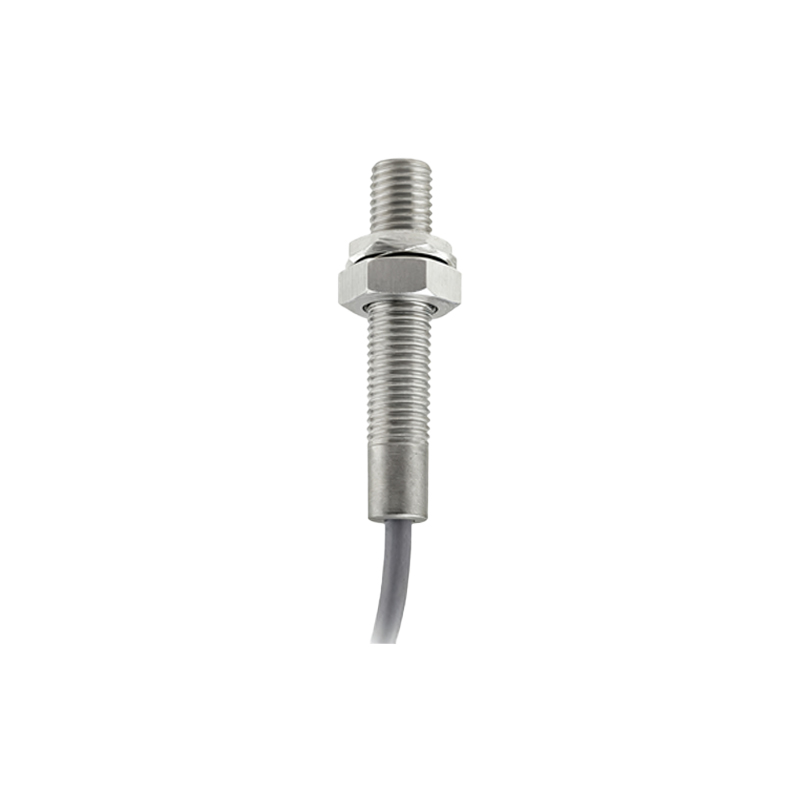
Another pivotal element is the degree of customization. Off-the-shelf, standard-model IR sensors benefit from economies of scale, leading to lower per-unit costs. However, many industrial applications demand custom solutions: specific form factors, unique connector types, customized sensing algorithms to ignore particular background materials, or integration with specific communication protocols (e.g., IO-Link, analog outputs). Such customization requires additional engineering, testing, and low-volume production runs, which invariably add a premium to the base price. For projects requiring hundreds or thousands of units, this premium can be amortized, but for smaller batches, it becomes a dominant cost factor.
Market competition is fierce, with established players from Europe, North America, and Japan competing with a growing number of manufacturers from Asia offering cost-competitive alternatives. This competition generally exerts downward pressure on prices for standard products. However, it also segments the market. Premium brands justify higher prices through proven reliability, extensive certifications (e.g., SIL, ATEX for hazardous areas), comprehensive technical support, and longer warranty periods—factors crucial for mission-critical applications in automotive safety systems or pharmaceutical production. Value-oriented manufacturers compete aggressively on price for applications where absolute peak performance is less critical.
Looking forward, several trends are poised to influence pricing. The integration of advanced features like digital smart sensing capabilities, self-diagnostics, and enhanced data output is becoming more common. While initially raising the cost, the long-term value in reduced downtime and predictive maintenance can justify the investment. Furthermore, the miniaturization of components and advancements in manufacturing techniques, such as automated optical alignment and testing, are potential avenues for cost reduction over time. Conversely, rising global standards for energy efficiency and material sustainability may introduce new cost considerations.
For procurement teams, a thorough Total Cost of Ownership (TCO) analysis is more prudent than focusing solely on the initial factory price. This analysis should factor in installation costs, calibration needs, expected lifespan, mean time between failures (MTBF), and the cost of potential production stoppages due to sensor failure. Engaging with suppliers early in the design phase can reveal opportunities to select a standard sensor that meets 90% of requirements at a significantly lower cost than a fully custom design. Requesting detailed quotations that break down costs for hardware, software, and support services is essential for accurate comparison.
In conclusion, the factory price of an infrared proximity sensor is not a static figure but a reflection of a dynamic interplay between performance specifications, component economics, customization needs, and brand value. A strategic procurement approach that balances technical requirements with lifecycle costs will yield the optimal value, ensuring robust and cost-effective integration of these vital sensors into modern industrial ecosystems.