Proximity sensors are indispensable components in modern industrial automation, robotics, and safety systems. As an electrical engineer, selecting the right sensor hinges on a thorough understanding of its specifications. These technical parameters dictate the sensor's performance, compatibility, and reliability in real-world applications. This guide delves into the core specifications that define proximity sensors, providing a detailed breakdown to inform your design and procurement decisions.
The fundamental specification is the sensing distance or nominal range. This indicates the maximum distance at which the sensor can reliably detect a standard target. It is crucial to note that this distance is typically defined for a specific target material and size, often a square of mild steel. For inductive sensors (common for metal detection), the sensing distance can be affected by the target's material properties; for instance, aluminum may reduce the effective range. Capacitive sensors (for non-metals) and ultrasonic sensors have their own calibration standards. Engineers must always consider the assured operating distance, which is a shorter, guaranteed distance accounting for manufacturing tolerances, voltage fluctuations, and temperature variations.
Output type is a critical functional specification. Proximity sensors primarily offer digital outputs: NPN (sinking) or PNP (sourcing) transistor configurations. The choice depends on your PLC or controller's input card requirements. Some sensors provide analog outputs (e.g., 4-20 mA, 0-10V) proportional to the distance, enabling continuous measurement. Additionally, IO-Link enabled sensors are becoming standard, offering digital communication for detailed parameter setting, diagnostics, and process data beyond a simple on/off signal.
The switching frequency or response time specifies how quickly the sensor can react. Measured in Hertz (Hz) or milliseconds, it defines the maximum number of on/off cycles per second. A sensor with a 1 kHz frequency can switch 1000 times per second. This is paramount in high-speed applications like counting small parts on a fast conveyor or monitoring encoder pulses. The repeat accuracy specifies the consistency of the switching point across repeated operations, which is vital for precision positioning.
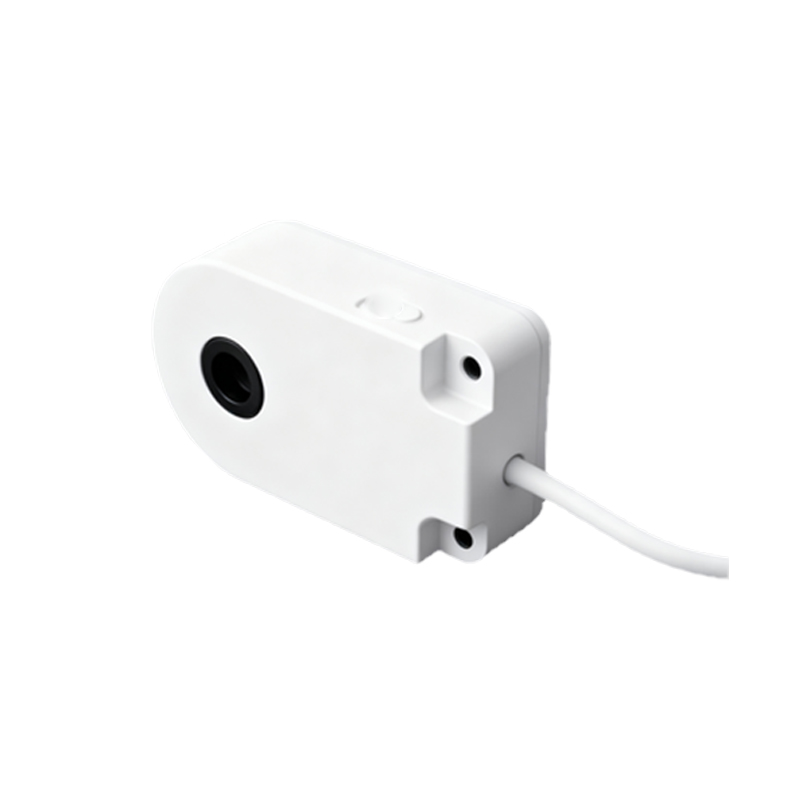
Environmental ratings ensure durability. The Ingress Protection (IP) rating (e.g., IP67, IP69K) indicates resistance to dust and liquids. An IP67-rated sensor can withstand temporary immersion, making it suitable for washdown environments in food and beverage industries. The operating temperature range specifies the ambient conditions the sensor can endure without performance degradation. For harsh environments, look for robust housing materials like stainless steel (V4A/AISI 316L) and resistance to specific chemicals or oils.
Electrical characteristics include the supply voltage range (e.g., 10-30V DC). A wider range offers better stability against line fluctuations. Current consumption is important for power supply sizing, while the output current (load current) rating must not be exceeded to avoid damage. Short-circuit and reverse polarity protection are highly desirable features that enhance system robustness and prevent installation errors from causing failures.
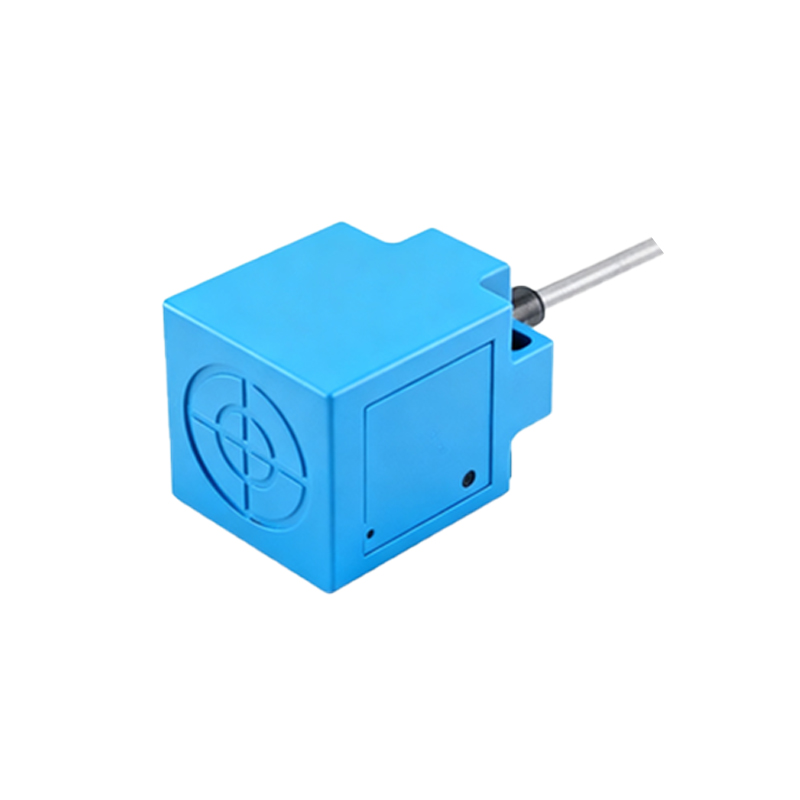
Other key specifications include the housing style (barrel, rectangular, ring-shaped), which determines mechanical mounting, and the connection method (pre-wired cable, quick-disconnect M12 connector). For inductive sensors, the target material correction factor is essential when not using mild steel. Hysteresis is the difference between the switch-on and switch-off points, which prevents chatter when a target is near the sensing limit.
In conclusion, a proximity sensor's datasheet is a blueprint of its capabilities. By meticulously analyzing specifications like sensing distance under actual conditions, output configuration, response speed, environmental robustness, and electrical limits, engineers can make optimal selections. This ensures not only functional performance but also long-term reliability, reduced downtime, and seamless integration into complex automated systems. Always consult manufacturer data and consider application-specific factors such as target composition, ambient contaminants, and required safety margins.