In industrial automation and machinery, proximity sensors are indispensable components for non-contact detection of objects. An anomaly in a proximity sensor signifies a deviation from its normal operational parameters, leading to unreliable or failed detection. This condition can trigger production stoppages, cause equipment damage, or result in safety hazards. Understanding what a proximity sensor anomaly means, its root causes, and how to address it is critical for maintaining operational efficiency and system integrity.
A proximity sensor anomaly typically manifests in several ways. The most common symptom is intermittent operation, where the sensor fails to detect an object consistently within its specified sensing range. This may appear as random, flickering output signals. Another clear indicator is a complete failure to detect any object, resulting in a constant OFF (or sometimes a constant ON) state regardless of target presence. False triggering is also a frequent anomaly, where the sensor activates without a valid target in its detection field, often due to environmental interference. Additionally, a reduced sensing range, where the sensor only detects objects at a distance significantly shorter than its rated specification, points to a performance degradation anomaly.
The causes of these anomalies are multifaceted and can be broadly categorized into environmental, electrical, mechanical, and sensor-inherent factors.
Environmental Factors: Contamination is a primary culprit. Accumulation of metallic dust, chips, oil, coolant, or other debris on the sensor's active face can attenuate or block its electromagnetic or ultrasonic field. Extreme temperatures beyond the sensor's rated operating range can affect internal electronic components and oscillator stability. Strong electromagnetic interference (EMI) from nearby motors, welders, or frequency drives can induce noise in the sensor's signal, causing erratic behavior. Certain chemical exposures can corrode the sensor housing or face.
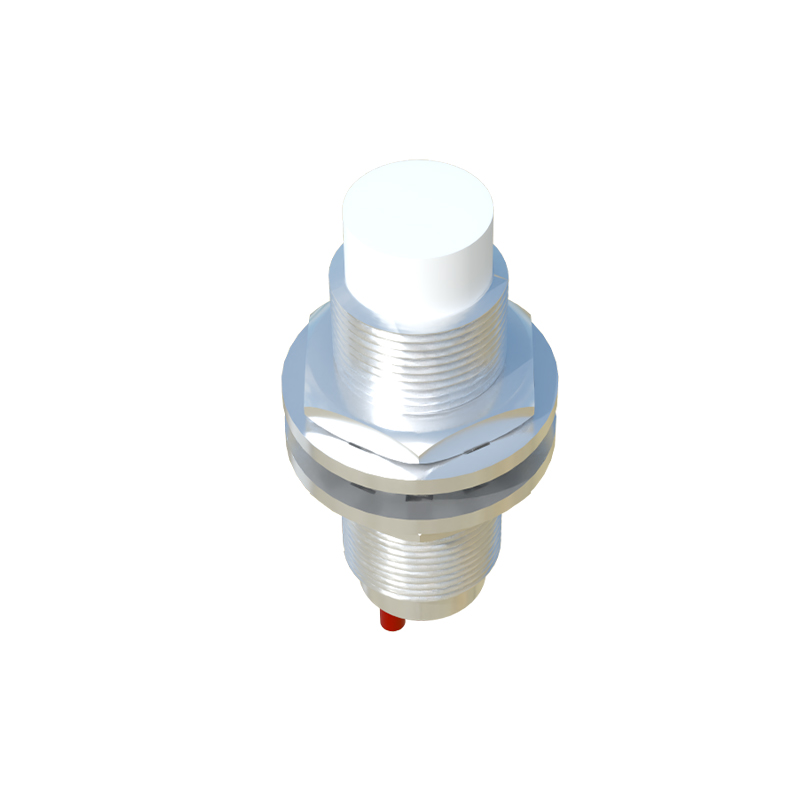
Electrical Factors: Incorrect power supply voltage, either under-voltage or over-voltage, can prevent proper operation or damage the sensor internally. Electrical noise on the supply lines, poor grounding, or voltage spikes can similarly disrupt the sensitive circuitry. Wiring issues such as loose connections, damaged cables, short circuits, or incorrect wiring (e.g., mixing up PNP and NPN types with the controller) are very common sources of anomalies.

Mechanical Factors: Physical damage to the sensor body or its sensing face from impacts or vibration can misalign internal components or crack the ferrite core in inductive sensors. Incorrect installation, such as improper mounting (too loose or too tight), misalignment with the target, or not maintaining the required flush or non-flush mounting conditions, will lead to performance issues. Wear and tear over time is also a natural cause of anomaly.
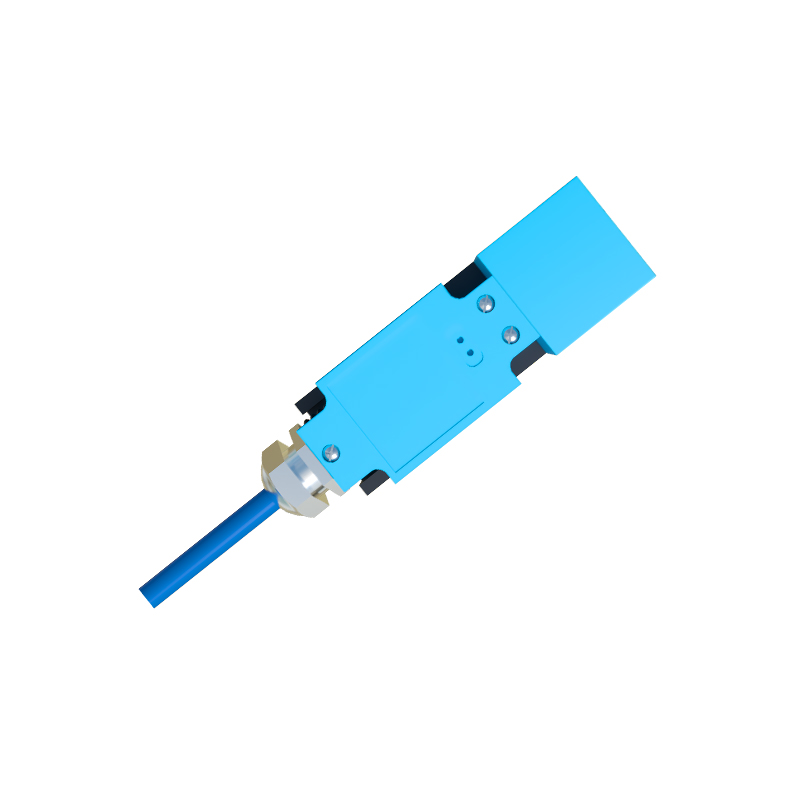
Sensor-Inherent Factors: All electronic components have a finite lifespan. Gradual aging of internal components like oscillators, capacitors, and output transistors can degrade performance. In rare cases, a manufacturing defect may manifest as an early-life failure.
Troubleshooting a suspected proximity sensor anomaly requires a systematic approach. Begin with a visual inspection for obvious physical damage, contamination, or incorrect installation. Verify the electrical parameters: use a multimeter to check if the supply voltage at the sensor terminals matches the specifications. Monitor the output signal with an oscilloscope or a multimeter to see if it switches cleanly between states when a target is introduced and removed. Check for proper grounding and inspect cabling for damage.
A reliable test is to substitute the suspected sensor with a known-good unit of the same model. If the problem disappears, the original sensor is faulty. For inductive sensors, a simple test involves bringing a piece of ferrous metal (like a screwdriver) close to the active face to see if it triggers. Remember to consult the sensor's datasheet for exact testing procedures, sensing distances, and target material specifications.
Preventive maintenance is key to minimizing anomalies. Implement regular cleaning schedules to keep sensor faces free of contaminants. Ensure proper electrical installation with shielded cables, secure connections, and noise suppression filters if necessary. Periodically verify sensor operation and sensing distance as part of routine machine checks. Adhere strictly to the manufacturer's guidelines for mounting, environment, and electrical requirements.
In conclusion, a proximity sensor anomaly is a clear signal of an underlying issue that compromises detection reliability. It is not merely a component failure but a symptom with potential root causes in the environment, electrical system, mechanical setup, or the sensor itself. Prompt identification, systematic troubleshooting, and adherence to preventive maintenance protocols are essential to ensure the continuous, safe, and efficient operation of automated systems reliant on these critical sensing devices.