In the rapidly evolving landscape of industrial automation, the integration and collaborative operation of multi-functional proximity sensors have become a cornerstone for enhancing efficiency, safety, and precision. These sensors, which include inductive, capacitive, ultrasonic, and photoelectric types, are no longer standalone devices but integral components of a networked ecosystem. Their ability to work in unison enables complex tasks such as object detection, distance measurement, position control, and material identification to be performed seamlessly across various applications, from automotive assembly lines to pharmaceutical packaging.
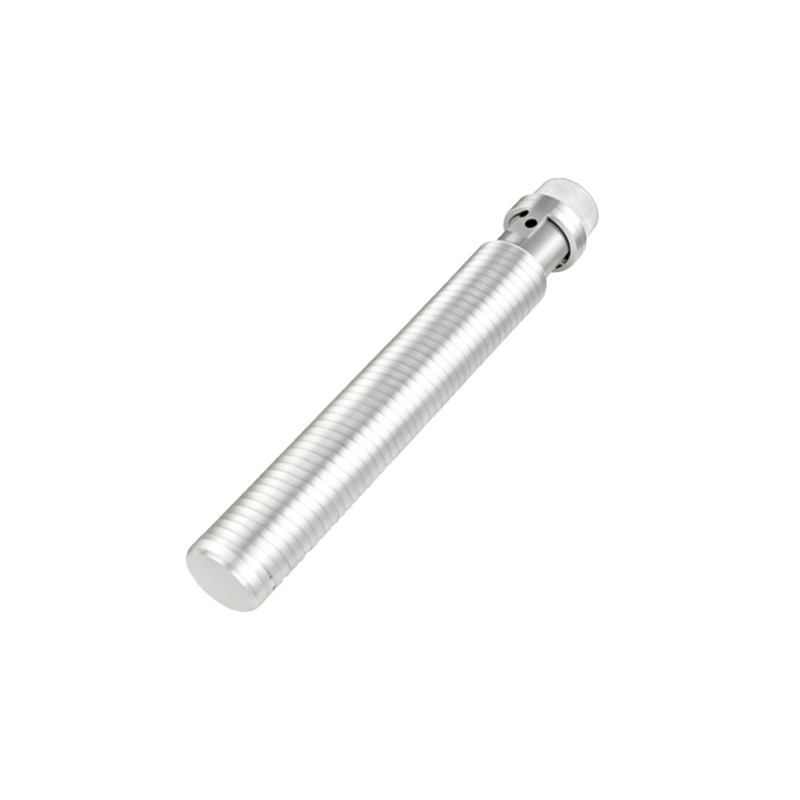
The synergy among different proximity sensors begins with their complementary functionalities. Inductive sensors, for instance, excel in detecting metallic objects without physical contact, making them ideal for harsh environments with dust or moisture. Capacitive sensors, on the other hand, can sense both metallic and non-metallic materials, including liquids and granular substances, by detecting changes in capacitance. When these are combined with ultrasonic sensors that measure distance through sound waves, and photoelectric sensors that use light beams for detection, a robust sensing network emerges. This network allows for multi-layered data acquisition, where each sensor type addresses specific limitations of others. For example, in a conveyor system, inductive sensors might identify metal components, while capacitive sensors verify the presence of plastic casings, and ultrasonic sensors monitor fill levels in containers—all operating concurrently to ensure no errors in the production flow.
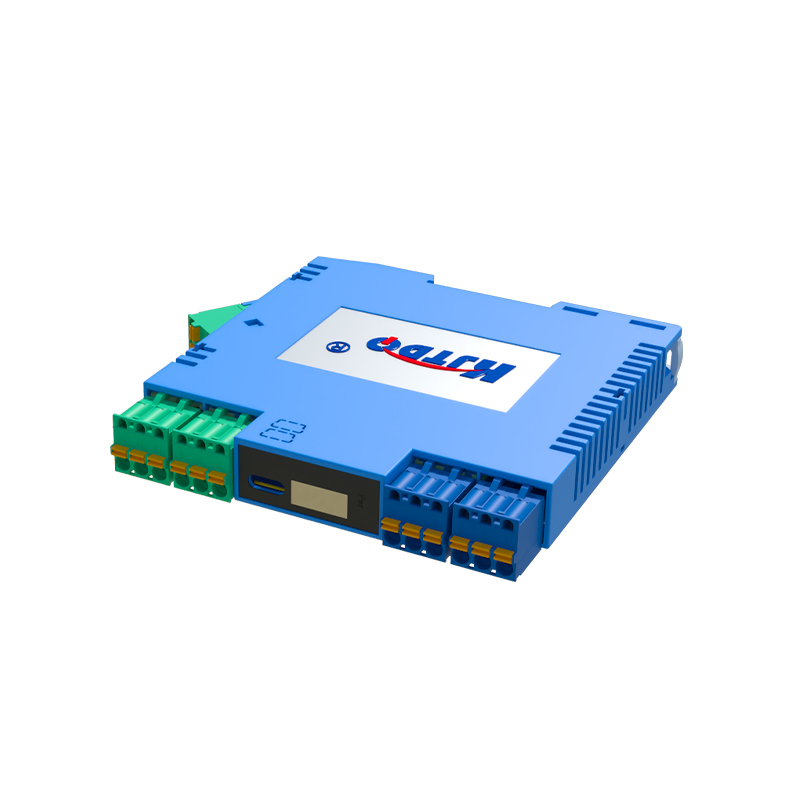
Communication protocols play a pivotal role in enabling this collaboration. Modern proximity sensors are often equipped with IO-Link, PROFINET, or EtherNet/IP interfaces, facilitating real-time data exchange with programmable logic controllers (PLCs) and supervisory control systems. Through these digital networks, sensors can share information such as detection status, diagnostic alerts, and environmental parameters. This interoperability not only reduces wiring complexity but also allows for adaptive control strategies. For instance, if an ultrasonic sensor detects an anomaly in object positioning, it can trigger adjustments in nearby photoelectric sensors to recalibrate their sensing ranges, thereby maintaining system accuracy without human intervention. Additionally, smart sensors with embedded microprocessors can perform local data processing, filtering out noise and sending only relevant insights to central units, which enhances response times and reduces network congestion.
The benefits of collaborative sensor systems extend beyond operational efficiency. In terms of safety, multi-sensor setups can implement redundancy, where if one sensor fails, others immediately compensate to prevent accidents or downtime. Predictive maintenance is another advantage, as sensors continuously monitor their own health and that of neighboring devices, alerting technicians to potential issues before they escalate. Moreover, by analyzing aggregated data from diverse sensors, machine learning algorithms can optimize processes over time, such as fine-tuning detection thresholds or predicting material wear in machinery. This leads to reduced energy consumption, lower maintenance costs, and improved product quality.
However, achieving effective collaboration requires careful planning. Engineers must consider factors like sensor placement, environmental interference, and compatibility between different brands or technologies. Electromagnetic interference from nearby motors, for example, can affect inductive sensors, while ambient light might disrupt photoelectric ones. Shielding, proper calibration, and the use of frequency-hopping techniques in wireless sensors can mitigate these challenges. Furthermore, standardization efforts by organizations like the International Electrotechnical Commission (IEC) help ensure that sensors from various manufacturers can communicate smoothly, fostering a plug-and-play environment.
Looking ahead, the trend toward Industry 4.0 and the Internet of Things (IoT) will further drive the evolution of collaborative proximity sensors. With advancements in edge computing and artificial intelligence, sensors will become even more autonomous, capable of self-configuration and real-time decision-making. Imagine a smart factory where sensors not only detect objects but also collaborate to dynamically reroute production based on demand changes or equipment availability. This level of agility and intelligence will redefine industrial automation, making systems more resilient and adaptable to market fluctuations.
In conclusion, the collaborative operation of multi-functional proximity sensors represents a significant leap forward in industrial technology. By leveraging their diverse capabilities and interconnected networks, industries can achieve unprecedented levels of precision, safety, and efficiency. As engineers continue to innovate, these sensors will undoubtedly play a central role in shaping the future of automated systems, driving progress toward smarter, more sustainable manufacturing worldwide.