In the dynamic industrial landscape of Putuo District, Shanghai, proximity sensors stand as critical components for automation, safety, and efficiency. As an experienced electrical engineer, I understand that procurement decisions hinge not only on technical specifications but also on a clear understanding of market pricing. This guide provides a detailed analysis of the proximity sensor market in Putuo, offering a structured price reference and key purchasing considerations.
The pricing of proximity sensors in Putuo District is influenced by a multifaceted matrix of factors. Primarily, the sensing technology dictates a significant portion of the cost. Inductive sensors, used for detecting metallic objects, generally represent the most cost-effective entry point. Prices for standard cylindrical inductive sensors (e.g., M12, M18) typically range from $15 to $50 USD per unit for common brands. Capacitive sensors, capable of detecting non-metallic materials like liquids, plastics, or wood, usually command a 20-30% premium over their inductive counterparts. For long-range or specialized detection, ultrasonic and photoelectric sensors are employed, with prices starting from $50 and can exceed $200 for high-precision, feature-rich models.
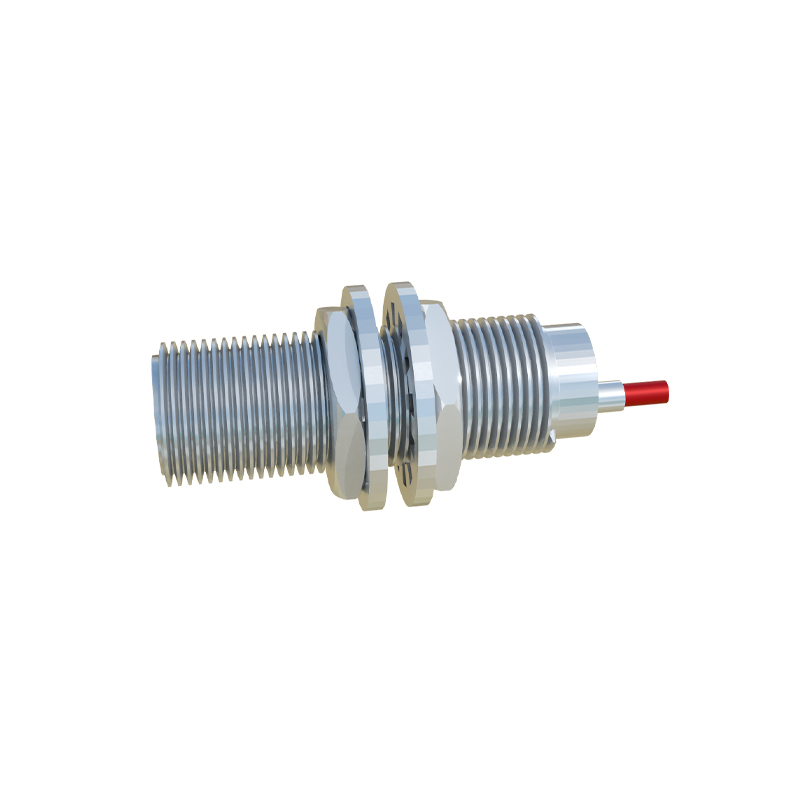
Beyond the core technology, specifications drastically alter the price point. Sensing distance is a primary cost driver; a standard 5mm range inductive sensor is economical, while one with a 15mm or 20mm range will be more expensive. The housing material also plays a role: nickel-plated brass or stainless steel housings for harsh environments (resistant to chemicals, acids, or extreme temperatures) increase the cost compared to standard PBT or ABS plastic housings. Furthermore, output configuration (PNP vs. NPN, NO vs. NC) and connection type (pre-wired cable vs. quick-disconnect connectors) introduce price variations of 10-15%.
Brand reputation and supply chain stability are paramount in industrial settings. Established international brands like Siemens, Omron, Schneider Electric, and Pepperl+Fuchs are prevalent in Putuo's high-reliability automation lines. Their products, backed by extensive certification (IP67, IP69K) and global support, sit at the higher end of the price spectrum. A typical M18 inductive sensor from these manufacturers may cost between $40 and $100. Conversely, competitive and reliable Asian brands, including Taiwanese and Korean manufacturers, offer robust alternatives at a 20-40% lower cost, making them attractive for cost-sensitive projects without compromising essential performance.
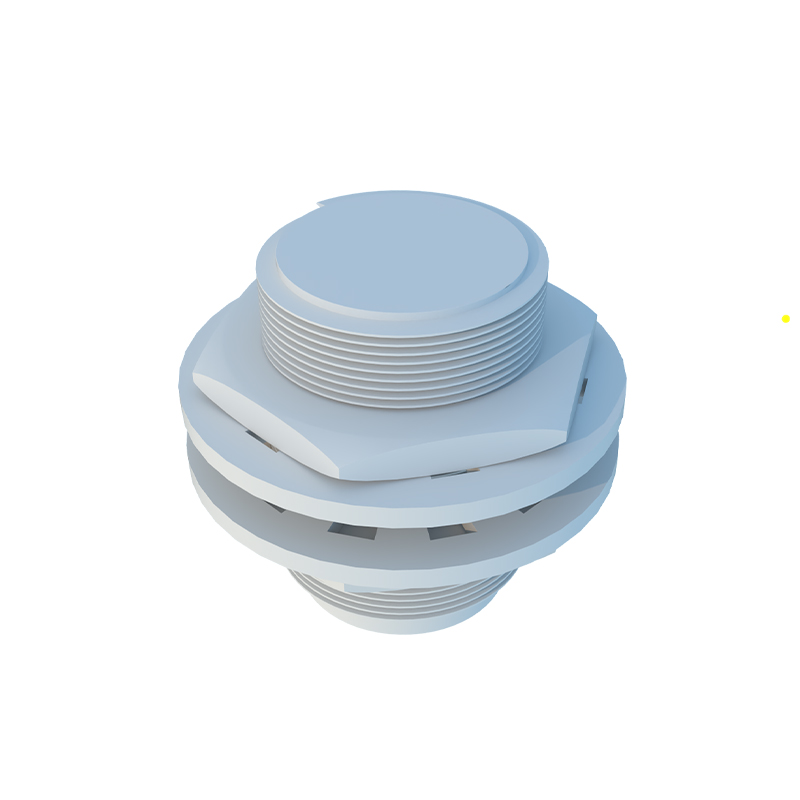
The local distributor network in Putuo District significantly impacts final procurement costs. Sourcing directly from large-scale industrial component markets or authorized distributors often yields better pricing for bulk orders (quantities of 50+ units). For standard sensor types, volume discounts of 10-25% are commonly negotiable. However, for prototyping or small-batch repairs, smaller retailers or online B2B platforms serving the Shanghai area might be more accessible, albeit with a slight per-unit markup. It is crucial to factor in lead time; "in-stock" items are cheaper than those requiring special order or import.
A sample price table (Reference Only, FOB Shanghai) illustrates the range:
Inductive Sensor, M12, 4mm Range, PNP NO, Plastic Housing: $18 - $35
Inductive Sensor, M30, 15mm Range, NPN NC, Stainless Steel: $55 - $120
Capacitive Sensor, M18, 8mm Range, Plastic Housing: $25 - $60
Cylindrical Photoelectric Sensor, Diffuse Reflective, 1m Range: $45 - $110
Ultrasonic Sensor, 300mm - 3m Range, Analog Output: $80 - $250
When evaluating the price list, engineers must adopt a Total Cost of Ownership (TCO) perspective. The initial purchase price is just one element. Consider compatibility with existing PLC systems to avoid interface module costs. Evaluate the mean time between failures (MTBF) and warranty terms; a slightly more expensive sensor with a 5-year warranty may offer lower long-term cost than a cheaper alternative requiring frequent replacement. Availability of local technical support and spare parts in Putuo is invaluable for minimizing machine downtime, which often costs far more than the sensor itself.
In conclusion, navigating the proximity sensor market in Putuo District requires balancing technical requirements, brand value, supply logistics, and lifecycle costs. A detailed request for quotation (RFQ) specifying the exact operating environment, required certifications, and expected annual usage will yield the most accurate and competitive pricing from suppliers. Always prioritize clarity in specifications over the allure of the lowest initial bid to ensure system reliability and operational efficiency in the long run.
SEO