In the realm of industrial automation and precision measurement, specialized laser sensors have emerged as pivotal components, driving advancements across diverse sectors from manufacturing to robotics. These sensors utilize laser technology to detect, measure, and monitor objects with exceptional accuracy, often operating in challenging environments where traditional sensors fall short. Unlike general-purpose sensors, specialized laser sensors are engineered for specific applications, offering tailored solutions that enhance efficiency, safety, and productivity.
The core principle behind laser sensors involves emitting a focused beam of light—typically from a laser diode—and analyzing the reflected signal. By measuring parameters such as time-of-flight, phase shift, or triangulation, these sensors can determine distance, position, thickness, or presence of objects with micron-level precision. For instance, in automotive assembly lines, laser sensors are deployed for precise gap and flush measurement between body panels, ensuring high-quality finishes. Similarly, in electronics manufacturing, they facilitate accurate component placement on circuit boards, minimizing defects and boosting yield rates.
One key advantage of specialized laser sensors is their ability to perform in harsh conditions. Many models are designed with robust housings that resist dust, moisture, and extreme temperatures, making them ideal for use in foundries, chemical plants, or outdoor settings. Additionally, their non-contact nature eliminates wear and tear, reducing maintenance needs and extending operational lifespans. In logistics and warehousing, laser sensors enable automated sorting and inventory management by swiftly scanning barcodes or detecting package dimensions, streamlining supply chain operations.
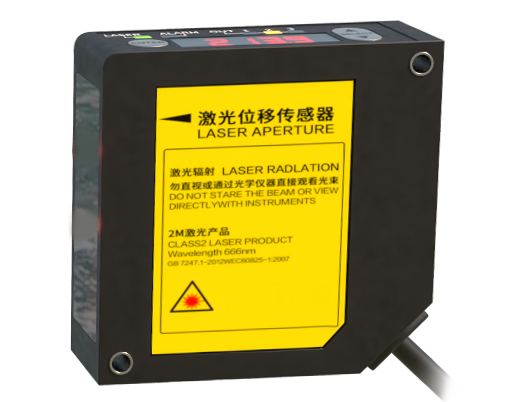
Recent innovations have further expanded the capabilities of these sensors. The integration of advanced optics and digital signal processing allows for higher resolution and faster response times, catering to high-speed production lines. Some specialized variants, such as confocal laser sensors, excel in measuring transparent or reflective surfaces—a task that conventional sensors struggle with. In the medical field, laser sensors contribute to diagnostic equipment and surgical robots, where precision is critical for patient outcomes.
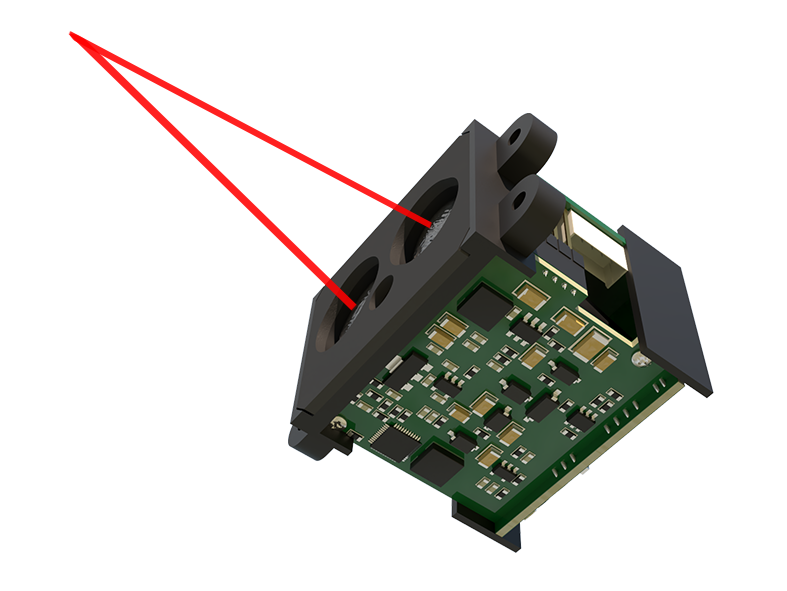
Despite their benefits, selecting the right specialized laser sensor requires careful consideration of factors like measurement range, accuracy, environmental tolerance, and compatibility with existing systems. Engineers must assess application-specific needs, such as whether a sensor will be used for 3D scanning, edge detection, or vibration analysis. Collaboration with manufacturers can help tailor solutions, ensuring optimal performance and return on investment.
Looking ahead, the evolution of specialized laser sensors is poised to accelerate with trends like Industry 4.0 and the Internet of Things (IoT). Smart sensors equipped with connectivity features can transmit real-time data to cloud platforms, enabling predictive maintenance and data-driven decision-making. As industries continue to prioritize automation and quality control, the demand for these sophisticated sensors will only grow, solidifying their role as indispensable tools in modern engineering.

In summary, specialized laser sensors represent a convergence of optical engineering and digital innovation, offering unmatched precision for targeted industrial challenges. By understanding their principles and applications, professionals can leverage these devices to drive technological progress and operational excellence.