In the realm of industrial automation and electronic design, micro proximity sensors stand as critical components for non-contact detection, object positioning, and process control. Their compact size, high reliability, and diverse sensing principles make them indispensable in applications ranging from consumer electronics to heavy machinery. Understanding their detailed specifications is paramount for engineers to select the optimal sensor for a given task. This guide delves into the key specifications, translating datasheet parameters into practical engineering considerations.
Sensing Principle and Type
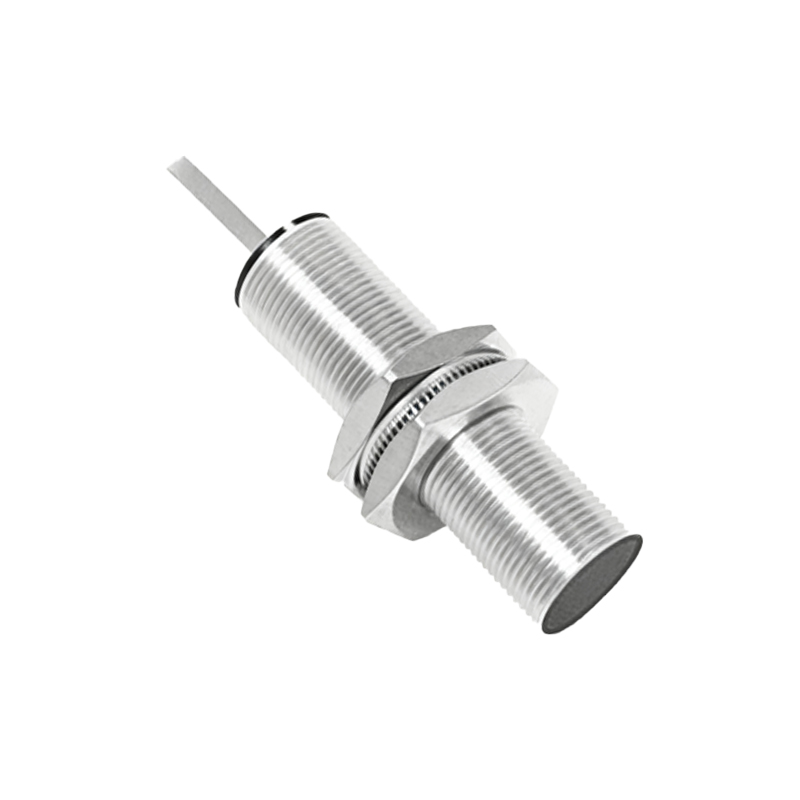
The fundamental specification is the sensing technology. Inductive sensors detect metallic objects (ferrous and non-ferrous) by generating an electromagnetic field. Their sensing range is limited but highly stable. Capacitive sensors detect both metallic and non-metallic materials (plastics, liquids, wood) by measuring changes in capacitance. Photoelectric sensors, often in miniature form, use a light beam (visible red, infrared, or laser) and are excellent for long-range detection and sensing non-metallic objects. The choice dictates the application scope.
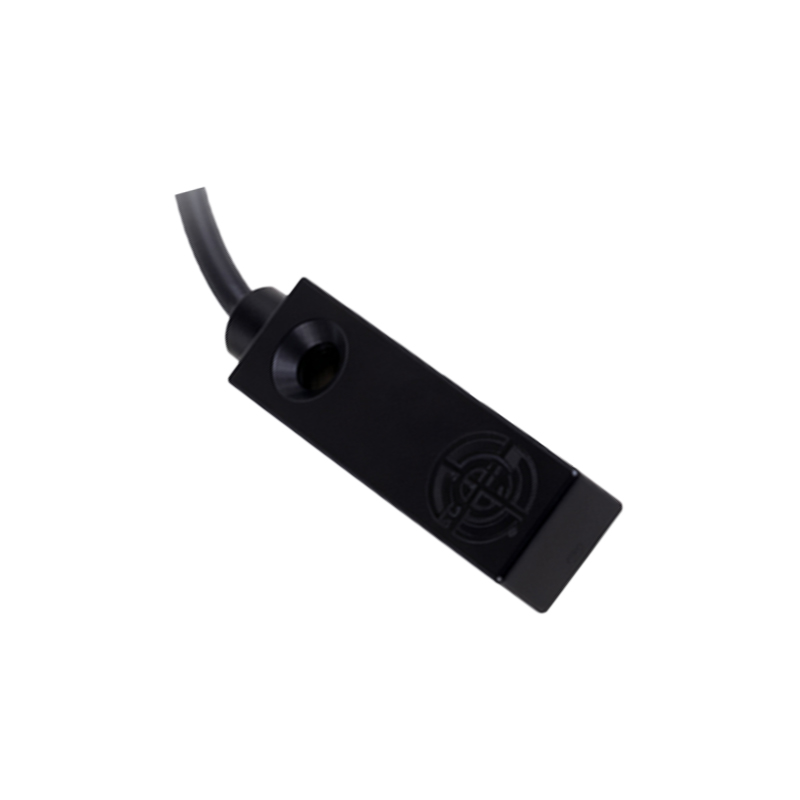
Critical Electrical Specifications
Operating Voltage (V): Typically specified as a range (e.g., 10-30 VDC). Operating outside this range can cause malfunction or permanent damage.
Output Configuration: This defines the switching element.
PNP (Sourcing): The output switches the positive voltage to the load.
NPN (Sinking): The output switches the load to ground (0V).
Analog Output: Provides a continuous signal (e.g., 0-10V, 4-20mA) proportional to the distance to the target, enabling precise positioning.
IO-Link: A digital point-to-point communication interface that provides detailed diagnostic data, parameterization, and process values beyond simple switching.
Output Current (mA): The maximum continuous current the sensor's output can safely switch. It must be derated for capacitive or inductive loads (like relays, solenoids) and must exceed the load requirement with a safety margin.
Switching Frequency (Hz): The maximum number of on/off cycles per second the sensor can perform. High-speed applications (e.g., counting small parts on a fast conveyor) require a high switching frequency (often 1-5 kHz or more).
Key Mechanical & Performance Specifications
Housing Material & Protection Rating: Common materials are brass (nickel-plated), stainless steel (for corrosive environments), and PBT plastic. The Ingress Protection (IP) rating (e.g., IP67, IP69K) indicates resistance to dust and liquids. IP67 allows temporary immersion, crucial for washdown environments in food & beverage.
Sensing Distance (Sn): The nominal operating distance at which the sensor is guaranteed to switch under standardized conditions. A 5mm sensor will reliably detect a standard target at 5mm. Never design for operation exactly at Sn; use 70-80% of Sn for reliability.
Hysteresis: The difference between the switch-on point (as target approaches) and switch-off point (as target recedes). Expressed as a percentage of Sn (e.g.,<10%). Hysteresis prevents output oscillation when a target is positioned at the exact sensing edge.
Repeatability: The precision with which the sensor can repeatedly detect the same target at the same position. A high repeatability (e.g., ±0.01mm) is vital for precision assembly and measurement tasks.
Temperature Range: Specifies the ambient operating and storage temperature limits. Industrial sensors typically operate from -25°C to +70°C. Exceeding these limits affects performance and longevity.
Application-Specific Considerations
Embeddable vs. Non-embeddable (Flush Mountable): Inductive sensors are often classified as such. Embeddable sensors can be mounted flush in metal without affecting their sensing range, as their magnetic field is concentrated at the front. Non-embeddable sensors have an extended lateral field and require a free space around them but offer a longer range for the same size.
Target Material and Size: For inductive sensors, the sensing range is affected by the target's metal type and size. The standard target is typically a square of mild steel (Fe360) with a side length equal to the sensor's diameter or 3xSn. Using aluminum or a smaller target reduces the effective sensing distance.
Electrical Noise Immunity: In environments with variable frequency drives, welding equipment, or strong RF fields, look for specifications like high electromagnetic compatibility (EMC) immunity per IEC 60947-5-2, shielded cabling, and short-circuit protection.
Interpreting the Datasheet in Practice
When selecting