In industrial automation and process control, proximity sensors serve as critical components for detecting the presence or absence of objects without physical contact. However, in harsh environments—such as chemical processing plants, marine applications, wastewater treatment facilities, and offshore installations—standard sensors can rapidly degrade due to exposure to corrosive substances like acids, alkalis, salts, solvents, and oxidizing agents. This is where corrosion-resistant proximity sensors become indispensable. These specialized devices are engineered to maintain reliable operation and longevity in conditions that would quickly compromise conventional sensors.
The primary threat to sensors in corrosive settings is the deterioration of their housing and sensing face. Corrosion can lead to sensor failure, inaccurate readings, increased downtime, and costly replacements. To combat this, manufacturers employ a range of strategies centered on material science and advanced sealing technologies. The most common approach involves constructing the sensor housing and critical external parts from stainless steel grades, particularly 316L or 316L V4A (AISI 316L), which offers excellent resistance to a wide spectrum of chemicals and chlorides. For even more aggressive environments, sensors may feature housings made from nickel-plated brass, specialized plastics like PVDF (polyvinylidene fluoride), or PPS (polyphenylene sulfide). These materials are selected for their inherent inertness and ability to withstand prolonged exposure to aggressive media.
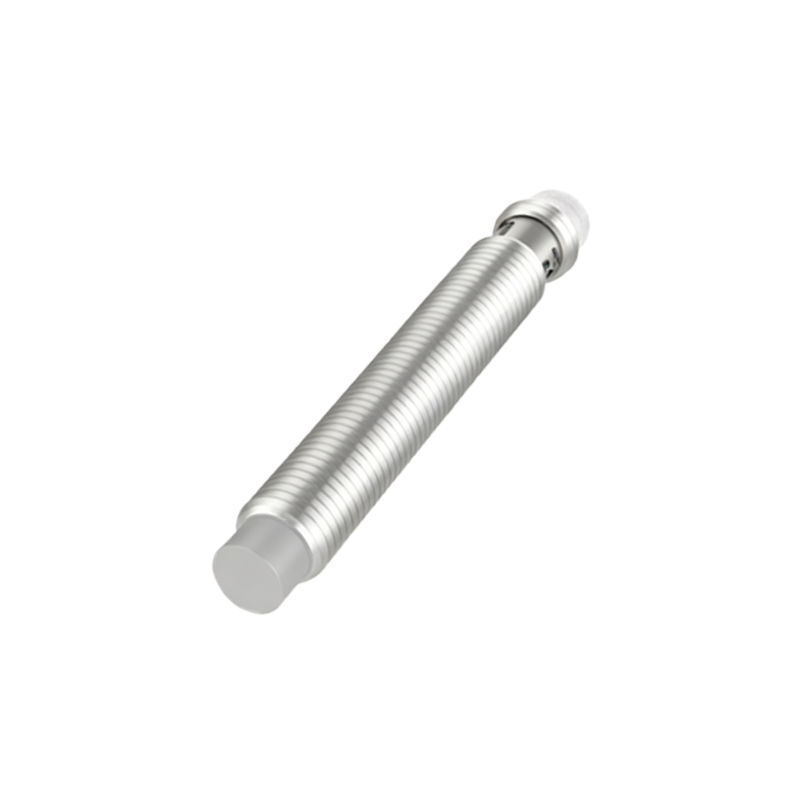
Beyond the housing, the sensing face—the point of direct exposure—is a focal point of protection. Many corrosion-resistant models feature a flush-mounted design with a sensing face made of PTFE (Teflon), ceramic, or specific engineered polymers. These materials prevent the buildup of residues and provide a non-stick, chemically inert barrier that protects the internal sensing element (inductive, capacitive, or magnetic). The sealing integrity is another crucial aspect. High-quality sensors achieve ingress protection ratings of IP67, IP68, IP69K, or even NEMA 6P. This is accomplished using specialized seals, often made from materials like FKM (Viton) or EPDM, which resist swelling and degradation when exposed to oils, fuels, and chemicals. The combination of robust housing materials and superior sealing ensures that the internal electronics remain completely isolated from the external environment.
From an application perspective, the benefits are substantial. In the food and beverage industry, sensors must withstand frequent washdowns with caustic cleaning agents; here, stainless steel 316L or PVDF housings are standard. In marine and offshore applications, resistance to saltwater spray and salt-laden atmospheres is paramount. In chemical plants, sensors might encounter vapors or splashes of acids or solvents. The use of corrosion-resistant sensors in these contexts directly translates to reduced maintenance intervals, lower total cost of ownership, and enhanced system reliability. It prevents unplanned stoppages that can disrupt entire production lines or critical monitoring systems.
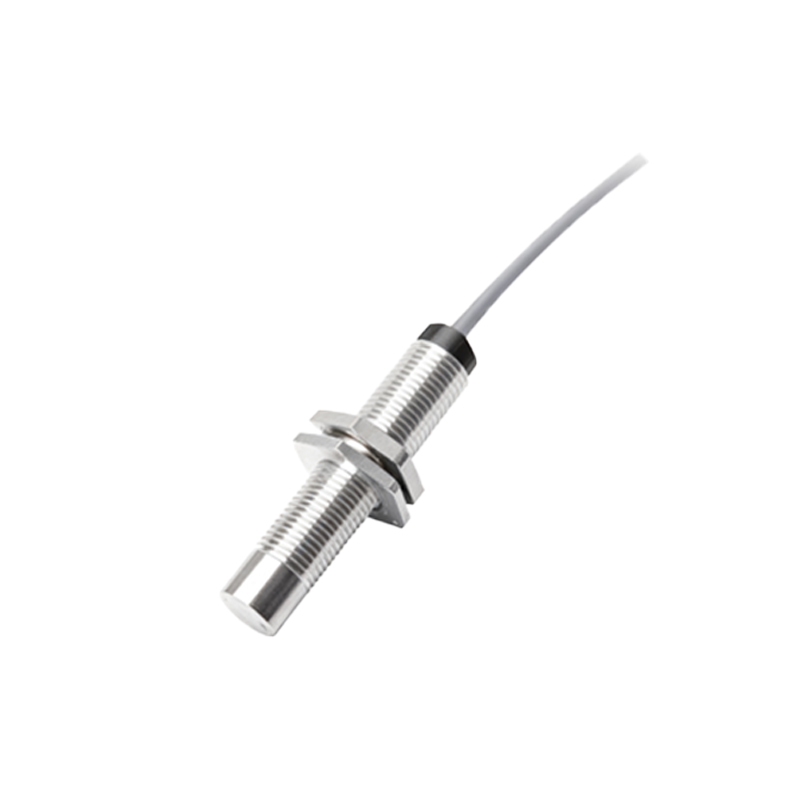
When selecting a corrosion-resistant proximity sensor, engineers must conduct a thorough analysis of the operating environment. Key considerations include: identifying the specific corrosive agents present (e.g., type of acid, alkali, solvent), their concentration and temperature, the possibility of mechanical impact or abrasion, and the required cleaning procedures. It is not sufficient to simply specify "stainless steel"; the exact grade and its compatibility with the chemicals present must be verified. Consulting chemical resistance charts provided by sensor manufacturers is an essential step. Furthermore, the electrical output type (PNP/NPN, analog, IO-Link), sensing range, and connection method (connector or cable with sealed gland) must be compatible with the rest of the control system.
The evolution of these sensors continues alongside industrial demands. Modern designs increasingly incorporate smart features like IO-Link communication, which allows for parameterization, condition monitoring, and diagnostic data reporting. This enables predictive maintenance, where potential issues related to sensor performance or environmental wear can be identified before they cause a failure. The housing materials and sealing technologies are also subject to ongoing research, aiming to provide even greater durability against emerging industrial chemicals and extreme pH levels.
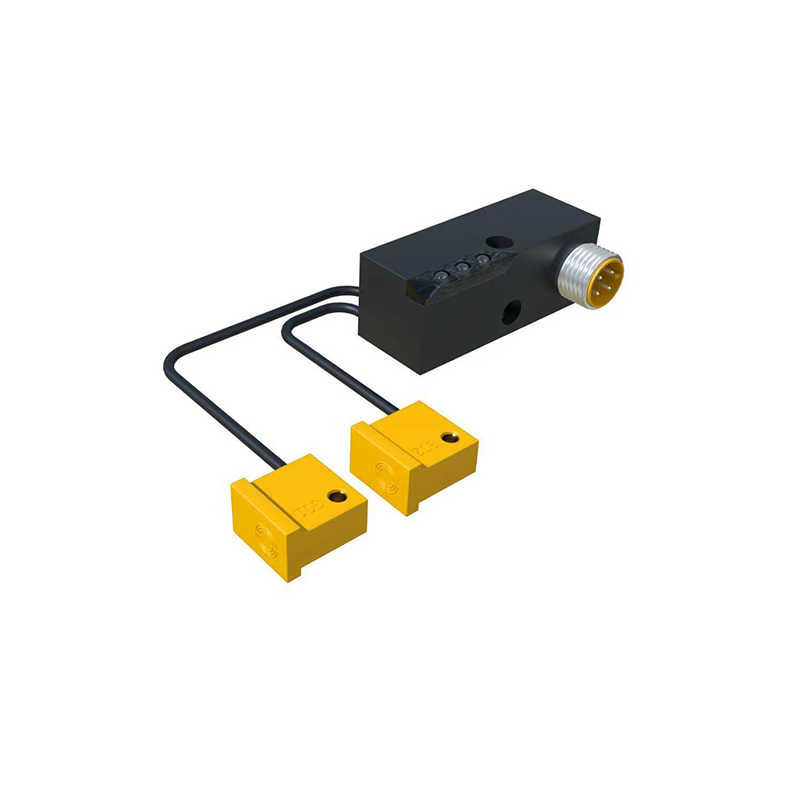
In conclusion, corrosion-resistant proximity sensors are not merely optional upgrades but fundamental engineering solutions for ensuring operational continuity in demanding industries. By investing in sensors specifically designed for corrosive duty, companies safeguard their automation investments, improve safety, and achieve a more predictable and efficient production process. The correct specification and installation of these robust devices form a critical line of defense in the challenging interface between sensitive electronics and aggressive industrial environments.