In the rapidly evolving landscape of industrial automation, laser inductive sensors stand as critical components for precision measurement, object detection, and quality control. These sophisticated devices, which utilize laser light and electromagnetic induction principles, offer unparalleled accuracy, speed, and reliability in harsh manufacturing environments. The market for these sensors is dominated by a handful of pioneering manufacturers whose innovations continuously redefine performance benchmarks. This article explores the key players, technological advancements, and industry trends driven by these leaders.
The dominance of certain manufacturers is not accidental; it is built upon decades of research, robust R&D investment, and a deep understanding of end-user applications. Companies like Keyence, Omron, Sick AG, and Banner Engineering have established themselves as the de facto standards. Keyence, for instance, is renowned for its ultra-high-precision laser displacement sensors and innovative solutions in micrometrology. Their sensors are integral in semiconductor fabrication and electronics assembly, where tolerances are measured in microns. Omron’s strength lies in integrating sensing with control systems, offering comprehensive factory automation solutions. Their laser sensors are celebrated for exceptional stability and resistance to environmental interference like dust and oil mist.
Sick AG, a German powerhouse, excels in application-specific designs, particularly for logistics, automotive, and material handling. Their laser-based sensors and systems are engineered for ruggedness and long-term durability, capable of functioning in extreme temperatures and continuous operation cycles. Banner Engineering, from the United States, focuses on user-friendly and highly versatile sensor platforms. Their laser sensors are often praised for easy setup, intuitive programming, and robust communication protocols like IO-Link, which facilitates Industry 4.0 connectivity.
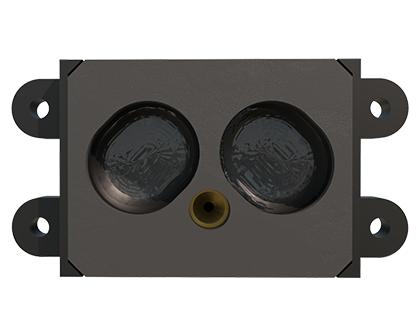
The technological edge maintained by these leaders revolves around several core advancements. First is the miniaturization of components without sacrificing power or range. Modern laser inductive sensors are remarkably compact, allowing installation in space-constrained machinery. Second is the enhancement of smart features. Embedded processors now enable advanced functions such as background suppression, precise edge detection, and real-time data logging. These sensors can differentiate between target objects and complex backgrounds, drastically reducing false triggers. Third is the improvement in connectivity. The shift towards Industrial Internet of Things (IIoT) demands sensors that are not just data sources but intelligent network nodes. Leading manufacturers equip their products with Ethernet/IP, PROFINET, and wireless capabilities, enabling seamless integration into digital twin systems and predictive maintenance algorithms.
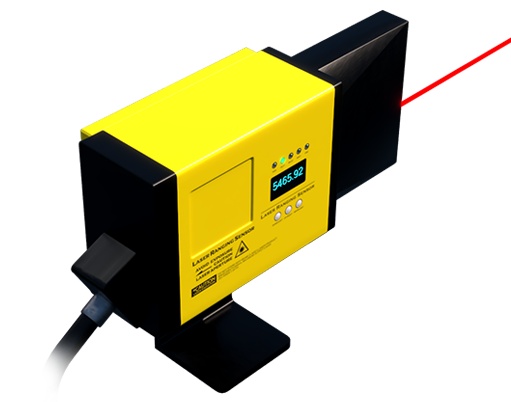
Furthermore, the push for sustainability and energy efficiency influences new designs. Top-tier sensors now operate on lower power consumption and are built with recyclable materials, aligning with global green manufacturing initiatives. Their longevity and reduced failure rates also minimize electronic waste, contributing to more sustainable production cycles.
The application spectrum for these high-end sensors is vast. In automotive manufacturing, they ensure precise robotic welding and component alignment. In pharmaceutical packaging, they verify fill levels and label placement with non-contact precision. In logistics automation, they guide autonomous mobile robots (AMRs) and sort parcels at high speeds. The reliability provided by leading brands is crucial for maintaining zero-defect production goals and maximizing overall equipment effectiveness (OEE).
Looking ahead, the trajectory for laser inductive sensor technology points toward greater intelligence and autonomy. Leaders are investing heavily in integrating artificial intelligence and machine learning directly at the sensor level. This will allow for adaptive sensing—where the sensor can learn from its environment and adjust its parameters for optimal performance without human intervention. Another emerging trend is the fusion of sensing modalities, combining laser measurement with 3D vision or thermal imaging to provide multi-dimensional data from a single point.
In conclusion, the ecosystem of laser inductive sensors is propelled by a concentrated group of innovative manufacturers. Their relentless pursuit of higher accuracy, robustness, and intelligence not only drives the sensor market but also enables the next generation of smart factories. For engineers and system integrators, selecting a sensor from these industry leaders is often synonymous with ensuring system reliability, future-proofing investments, and achieving the precision demanded by modern industry. The competition among these giants ensures continuous progress, promising even more capable and integrated sensing solutions for the challenges of tomorrow's industrial landscape.