In the realm of automation and smart systems, proximity sensors serve as the silent, unseen guardians, enabling devices to perceive and react to their immediate environment without physical contact. These sophisticated electronic components detect the presence or absence of nearby objects, translating this information into electrical signals. Their core function is to provide a critical layer of spatial awareness, forming the foundation for countless interactive, efficient, and safe operations across diverse industries.
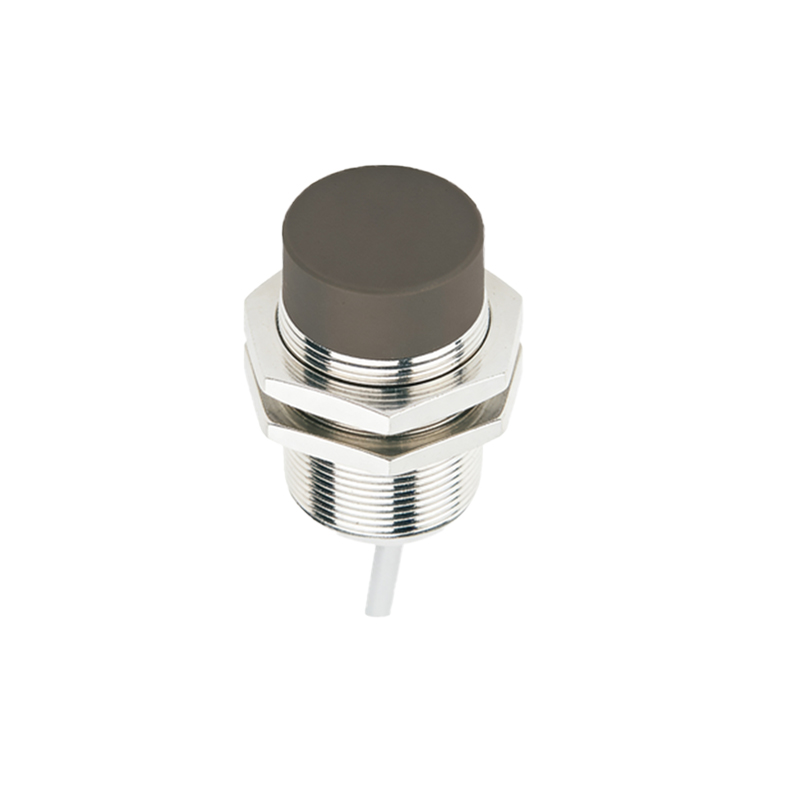
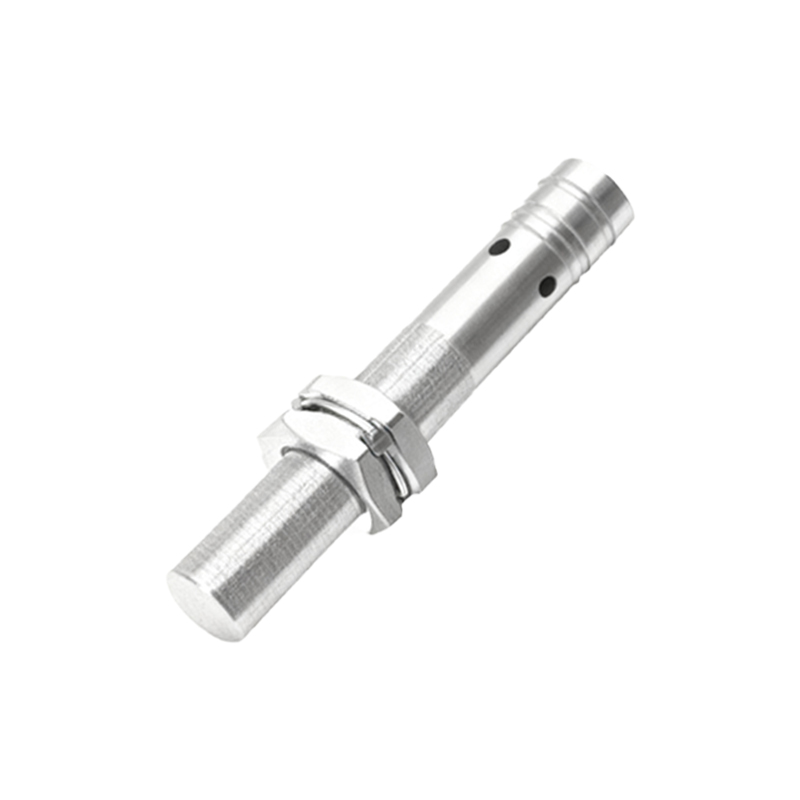
The principle of operation varies significantly depending on the sensor type, each suited to specific conditions and materials. Inductive proximity sensors, for instance, generate an electromagnetic field to detect metallic objects. They are exceptionally reliable in harsh industrial environments, immune to dust, oil, or moisture, making them ideal for machine automation, position verification in assembly lines, and high-speed object counting. Capacitive sensors, on the other hand, can detect both metallic and non-metallic materials—liquids, plastics, wood, or even granular substances—by measuring changes in capacitance. This versatility finds applications in level detection in tanks, material handling, and touch-sensitive interfaces.
Optical proximity sensors, including infrared (IR) and laser types, utilize emitted light beams. An object's presence interrupts or reflects this beam, triggering detection. They offer long sensing ranges and high precision, commonly deployed in packaging automation, robotics for obstacle avoidance, and consumer electronics like smartphones for screen blanking during calls. Ultrasonic sensors emit high-frequency sound waves and measure the echo's return time to calculate distance. Excellent for detecting transparent or variably colored objects, they are pivotal in parking assistance systems, liquid level control, and presence monitoring in complex layouts.

The practical applications of proximity sensors are vast and integral to modern life. In industrial manufacturing, they ensure precision in robotic arms, control conveyor belt operations, and provide safety interlocks on machinery doors, preventing accidents. The automotive sector relies heavily on them for parking sensors, blind-spot monitoring, and automatic door systems. Within consumer electronics, they enable the convenient auto-wake and sleep features in laptops and tablets, while in smartphones, they manage display behavior during calls and facilitate gesture recognition.
Furthermore, proximity sensors are key enablers of the Internet of Things (IoT), allowing everyday objects to gain contextual awareness. In smart homes, they can trigger lighting, control faucets, or enhance security systems. In logistics, they streamline inventory management through automated tracking. Their role in energy conservation is also notable, enabling systems to activate only when needed, thereby reducing waste.
Selecting the appropriate proximity sensor requires careful consideration of several factors: the target material, required sensing distance, environmental conditions (temperature, contaminants), response speed, and output signal type. Installation and calibration are equally crucial; improper mounting or electrical interference can lead to false triggers or missed detections. Regular maintenance ensures long-term reliability and accuracy.
Looking ahead, the evolution of proximity sensing technology points toward miniaturization, enhanced intelligence, and multi-functionality. Integration with AI and machine learning algorithms will allow sensors to not only detect presence but also classify objects or predict movements. Developments in materials science may lead to more robust and sensitive detection methods.
In conclusion, proximity sensors are fundamental components that bridge the physical and digital worlds. By providing reliable, non-contact detection, they enhance automation, improve safety, enable intuitive user interfaces, and drive efficiency. Their continued advancement will remain closely tied to innovation in robotics, automotive design, consumer gadgets, and smart infrastructure, silently shaping a more responsive and intelligent technological landscape.