Inductive proximity sensors are non-contact electronic devices designed to detect the presence or absence of metallic objects without any physical contact. Operating on the principle of electromagnetic induction, these robust sensors have become a cornerstone of industrial automation, offering reliability in harsh environments where dirt, oil, and vibration are common. Their core function is to generate an electromagnetic field from a coil housed within the sensor's face. When a conductive metal target enters this oscillating field, eddy currents are induced on the target's surface. This causes a change in the oscillation amplitude within the sensor's coil, which is detected by the internal circuitry. The sensor's solid-state output—typically a transistor switching on or off—then signals this detection to a programmable logic controller (PLC) or other control system.
The design of an inductive proximity switch is ingeniously simple yet highly effective. The key components include a ferrite core with a coil, an oscillator, a Schmitt trigger, and an output switching circuit, all encapsulated in a rugged housing, often made of nickel-plated brass or stainless steel. The sensor face is critical; it is where the electromagnetic field is concentrated. The sensing distance, or "nominal range," is specified by the manufacturer and depends on the sensor's size and coil design. A crucial specification is the "reduction factor," which indicates how the sensing distance decreases for different metals compared to the standard reference material, mild steel. For instance, stainless steel typically has a reduction factor of 0.7 to 0.9, meaning the effective sensing range is shorter, while non-ferrous metals like aluminum or copper have even lower factors.
One of the most significant advantages of these sensors is their incredible durability. With no moving mechanical parts to wear out, they offer a virtually infinite operational life. They are immune to contaminants like dust, chips, and liquids (provided the housing integrity is maintained with appropriate IP ratings like IP67 or IP69K), making them ideal for machine tools, welding robots, and automotive assembly lines. Their response time is extremely fast, often in the microsecond range, allowing for high-speed counting or positioning tasks on conveyor systems. Common output configurations include NPN (sinking) and PNP (sourcing) DC versions, as well as AC models and analog output variants for distance measurement. The two-wire DC and three-wire DC versions are industry standards, with three-wire types offering easier integration.
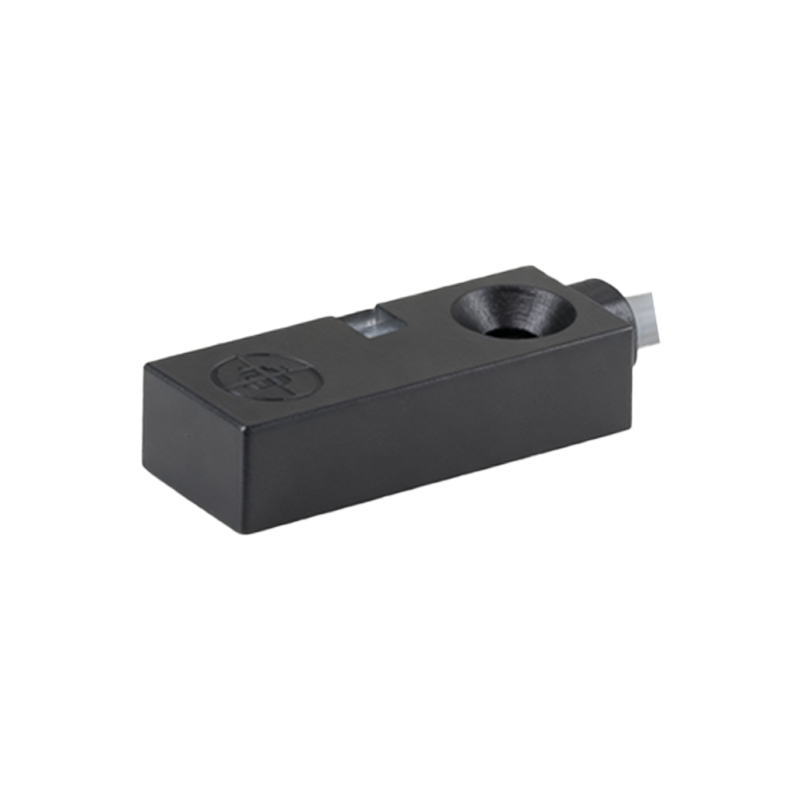
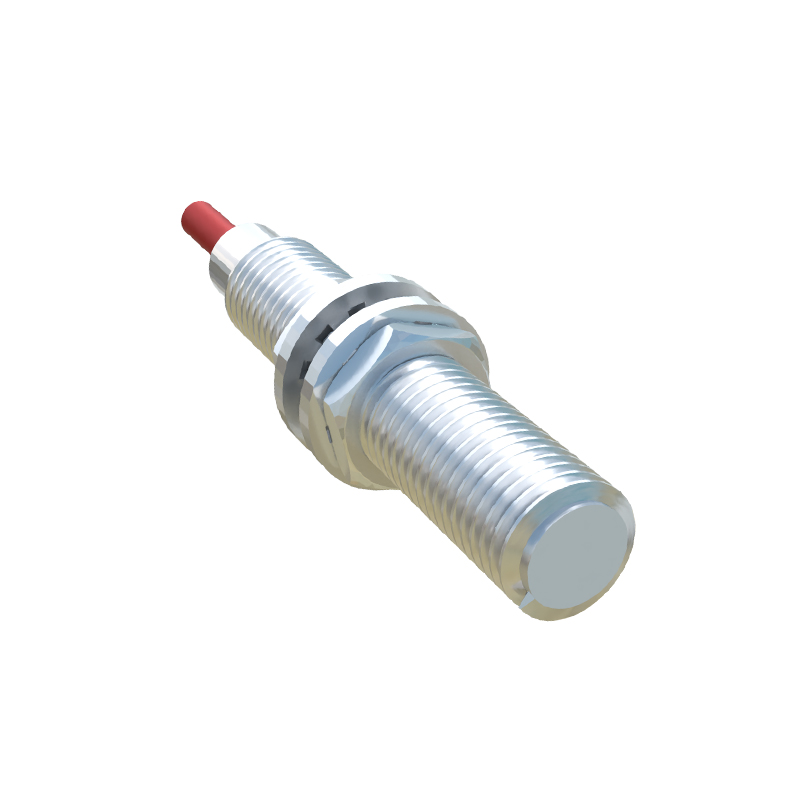
Selecting the right inductive sensor requires careful consideration of several parameters. The first is the sensing distance, which should have a 20-30% safety margin to account for mechanical tolerances and temperature drift. The housing style is next: cylindrical threaded barrels (e.g., M8, M12, M18, M30) are most common, but rectangular and ring-shaped styles exist for specific applications like detecting broken tools or monitoring gear teeth. The mounting style—flush (shielded) or non-flush (unshielded)—is critical. Flush-mounted sensors can be installed embedded in metal without affecting their sensing field, whereas non-flush types offer a longer range but require a metal-free zone around them.
Applications are vast and span nearly every manufacturing sector. They are used for simple tasks like part detection on an indexing table, verifying the presence of a metal cap on a bottle, or checking if a robotic gripper has picked up a component. More complex uses include monitoring the position of a hydraulic cylinder via a metal flag, detecting the end of a roll of metallic foil, or ensuring safety by confirming a machine guard is closed. In packaging machinery, they detect metalized film. Their robustness makes them the default choice for heavy industries like metal stamping, where they must withstand shock and continuous vibration.
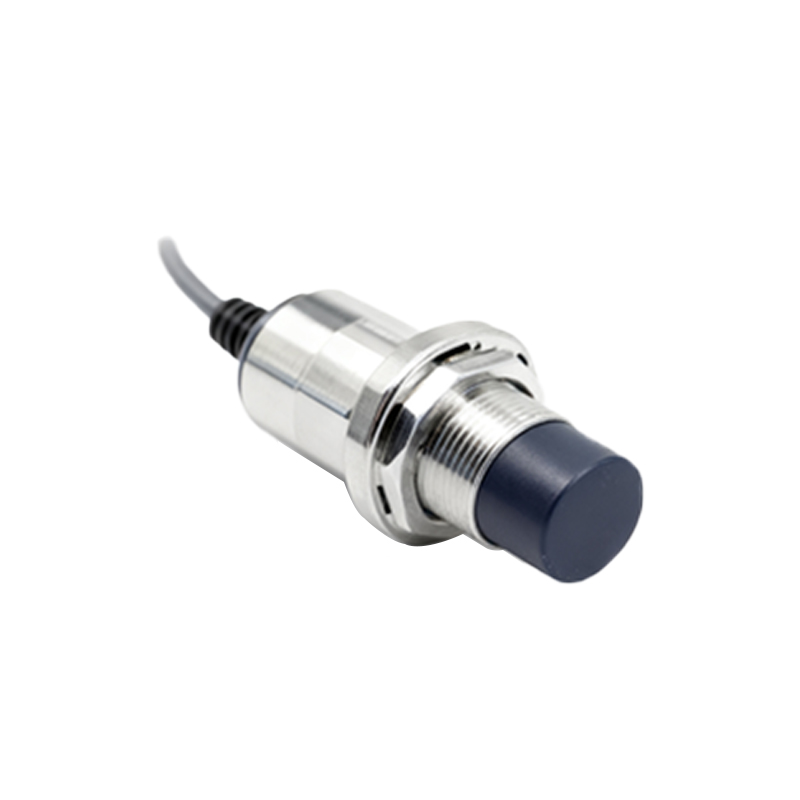
Installation and wiring are straightforward but demand attention to detail. Sensors must be mounted securely to prevent misalignment. For DC sensors, correct polarity must be observed, and the load (relay, PLC input) must be connected in series. A key practice is to wire the brown wire (typically +V) to positive, the blue wire to negative (0V), and the black wire as the switched output. It is essential to check the datasheet for the maximum load current and ensure proper short-circuit and overload protection is in place. For operation in environments with strong electromagnetic interference or near large motors, using shielded cables is recommended.
Maintenance is minimal but important. Periodically, the sensing face should be cleaned of any accumulated metallic dust or debris, as this can reduce the effective sensing distance. The mounting should be checked for tightness, and the cable for any signs of wear or damage. Troubleshooting usually involves verifying the power supply, checking the output state with a multimeter or indicator lamp, and confirming the target is within the corrected sensing range for its specific material.
In summary, inductive proximity sensors are a fundamental, reliable, and versatile