In the realm of industrial automation and electrical engineering, proximity sensors are indispensable components for non-contact detection of objects. The ceramic element within these sensors plays a critical role, offering superior durability, thermal stability, and resistance to environmental factors such as moisture, chemicals, and abrasion. Selecting the right brand for proximity sensor ceramics is paramount for ensuring reliability, longevity, and precision in various applications, from manufacturing lines to automotive systems. This article delves into the leading brands that specialize in high-quality ceramics for proximity sensors, highlighting their key offerings and industry standing.
One of the most renowned brands in this niche is CeramTec. Based in Germany, CeramTec has established itself as a global leader in advanced ceramic components. Their proximity sensor ceramics are known for exceptional mechanical strength and excellent dielectric properties, making them ideal for harsh industrial environments. CeramTec utilizes high-purity alumina and zirconia materials, which provide enhanced wear resistance and thermal shock tolerance. Engineers often prefer CeramTec for applications requiring high-frequency operation and minimal signal interference, such as in packaging machinery and robotic assembly.
Another prominent player is Kyocera, a Japanese multinational with a strong foothold in the electronics and ceramics sectors. Kyocera's proximity sensor ceramics are crafted from fine technical ceramics, including aluminum oxide and silicon nitride, which ensure consistent performance under extreme temperatures and pressures. The brand is celebrated for its innovative manufacturing techniques, such as precision molding and sintering, resulting in components with tight tolerances and low thermal expansion. Kyocera ceramics are widely used in automotive proximity sensors, where accuracy and durability are non-negotiable for safety systems like parking assist and collision avoidance.
Morgan Advanced Materials, headquartered in the UK, is also a key supplier in this market. With decades of expertise, Morgan offers a diverse range of ceramic solutions tailored for proximity sensors. Their materials, such as steatite and cordierite, are engineered to provide optimal electrical insulation and resistance to corrosion. This makes their ceramics suitable for industries like food processing and pharmaceuticals, where sensors must withstand frequent washdowns and exposure to aggressive substances. Morgan's focus on custom-designed ceramics allows for seamless integration into complex sensor assemblies, enhancing overall system efficiency.
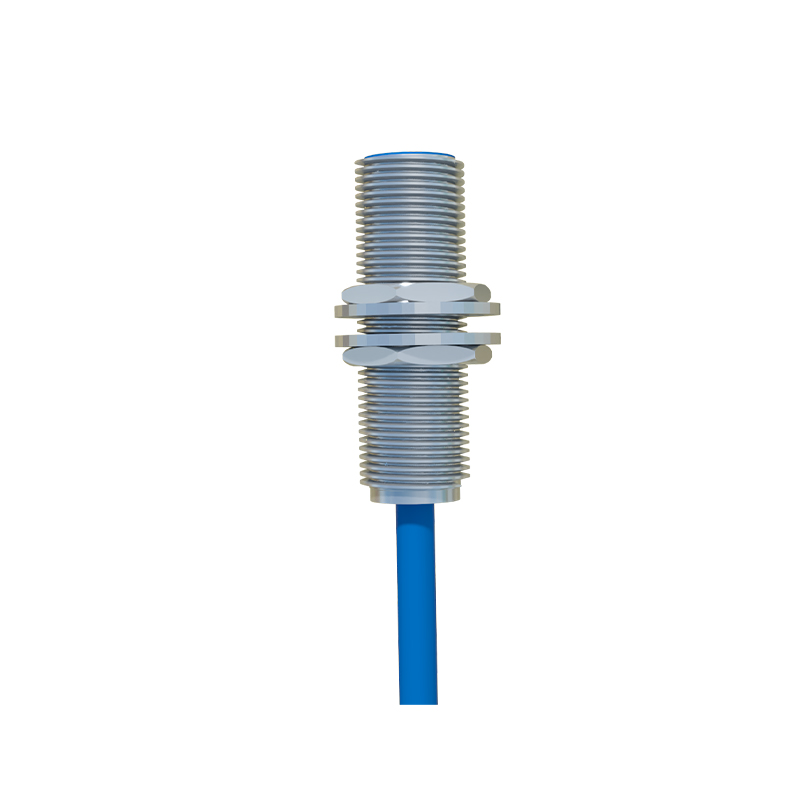
In the United States, CoorsTek stands out for its high-performance ceramic components. CoorsTek produces proximity sensor ceramics using advanced formulations like alumina-titania composites, which offer superior surface finish and dimensional stability. These ceramics are particularly valued in heavy-duty applications, such as mining and construction equipment, where sensors face constant vibration and particulate contamination. CoorsTek's rigorous quality control and testing protocols ensure that each ceramic part meets stringent industry standards, reducing downtime and maintenance costs for end-users.
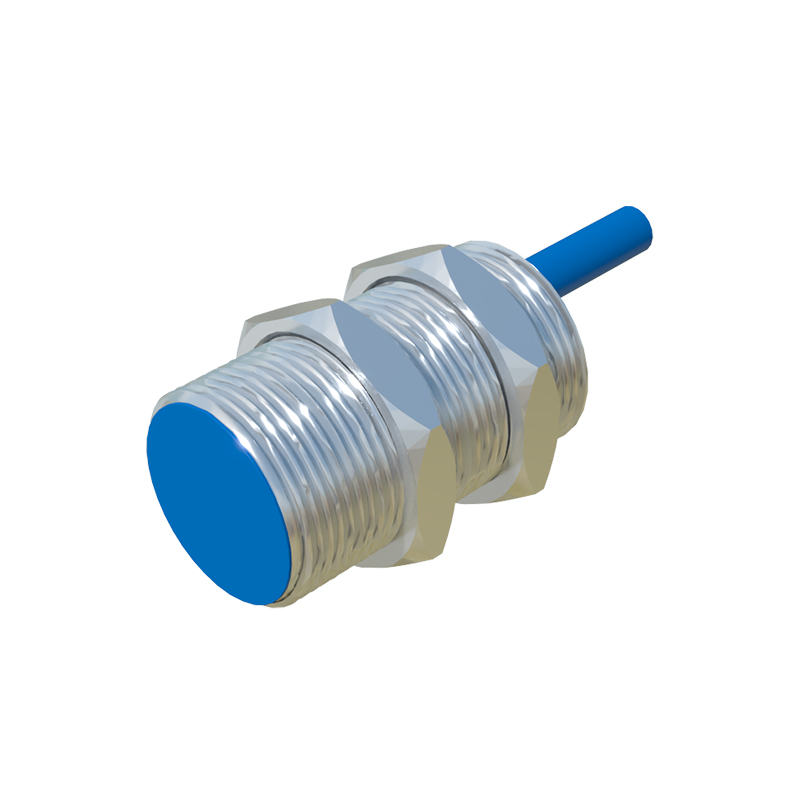
Additionally, Saint-Gobain Ceramics, a division of the French conglomerate Saint-Gobain, provides robust ceramic solutions for proximity sensors. Their product lineup includes materials like silicon carbide and advanced oxides, known for high thermal conductivity and electromagnetic compatibility. Saint-Gobain's ceramics are often employed in aerospace and defense sectors, where sensors must operate reliably in demanding conditions, including high-altitude or vacuum environments. The brand's commitment to research and development drives continuous improvements in ceramic performance, catering to evolving technological needs.
When evaluating these brands, engineers should consider factors such as material composition, operating temperature range, dielectric constant, and cost-effectiveness. For instance, alumina-based ceramics from CeramTec or Kyocera are excellent for general-purpose sensors, while specialized materials from Morgan or Saint-Gobain may be necessary for niche applications. It is also crucial to assess compatibility with sensor housing and electronics, as improper matching can lead to signal degradation or premature failure.
In conclusion, the market for proximity sensor ceramics is dominated by established brands that prioritize innovation and quality. CeramTec, Kyocera, Morgan Advanced Materials, CoorsTek, and Saint-Gobain Ceramics each bring unique strengths to the table, addressing diverse industrial requirements. By selecting ceramics from these reputable suppliers, electrical professionals can enhance the performance and reliability of their sensing systems, ultimately contributing to safer and more efficient operations across various sectors. As technology advances, these brands are likely to continue pushing the boundaries of ceramic science, offering even more sophisticated solutions for future proximity sensor designs.