In the textile manufacturing industry, the accurate detection and handling of black fabrics present a significant technical challenge. Traditional photoelectric sensors often struggle with low contrast when sensing dark materials, leading to unreliable performance in automated processes. Black fabric laser sensors have emerged as a specialized solution, offering high precision and reliability in applications ranging from cutting and sewing to quality inspection and sorting.
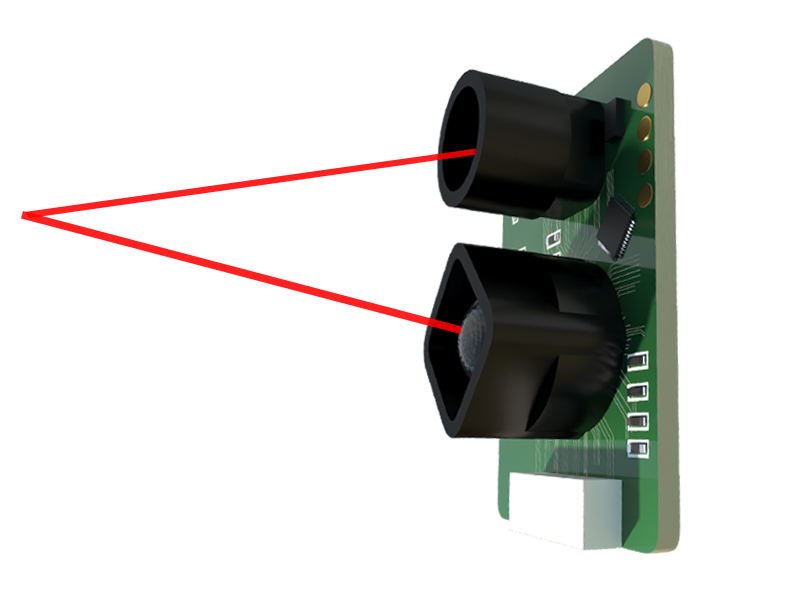
These sensors typically employ laser triangulation or time-of-flight (ToF) principles to measure distance, presence, or thickness. Unlike standard diffuse reflective sensors that rely on the reflectivity of the target, laser sensors project a concentrated beam onto the fabric surface. For black fabrics, which absorb most visible light, the key lies in using specific laser wavelengths—often in the red or near-infrared spectrum—and highly sensitive receivers that can detect the minimal reflected light. Advanced models incorporate background suppression technology, which allows them to ignore reflections from distant objects or the conveyor belt, focusing solely on the target fabric. This ensures stable detection even with varying material textures or under changing ambient light conditions in a factory setting.
The core advantages of black fabric laser sensors include their high resolution and accuracy. They can detect subtle differences in fabric position, edges, or folds with sub-millimeter precision, which is critical for automated cutting machines where material waste must be minimized. In sewing and embroidery automation, these sensors guide fabric alignment, ensuring consistent stitch patterns. Additionally, in quality control, they identify defects like holes or uneven dyeing by measuring thickness variations or detecting anomalies in the laser reflection pattern.
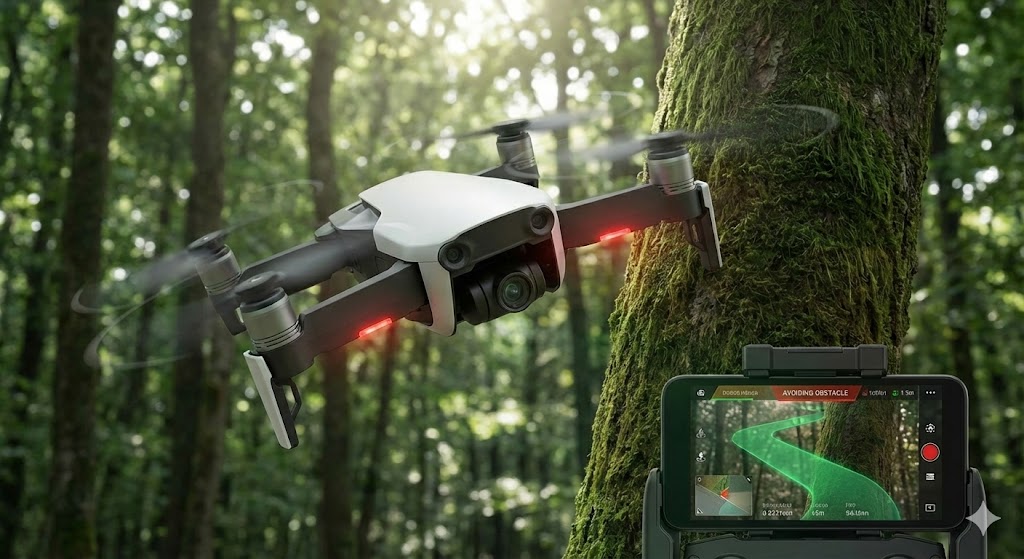
Integration into industrial systems is streamlined through standard interfaces such as IO-Link, Ethernet/IP, or PROFINET, enabling real-time data communication with PLCs. This connectivity supports Industry 4.0 initiatives, allowing for predictive maintenance and process optimization. For instance, sensor data can trigger automatic adjustments in tension or speed to compensate for material variations, enhancing overall production efficiency.
When selecting a black fabric laser sensor, engineers must consider factors like sensing range, response time, and environmental robustness. Sensors with IP67 ratings are preferred for dusty or humid textile environments. Calibration is also crucial; many sensors feature teach-in functions that allow quick setup for different fabric types, from matte black cotton to shiny synthetic blends. Regular maintenance, such as lens cleaning, ensures long-term reliability.
In summary, black fabric laser sensors are indispensable in modern textile automation, overcoming the limitations of conventional sensing methods. Their ability to deliver consistent, high-precision detection for low-reflectivity materials translates to reduced downtime, improved product quality, and higher throughput. As textile manufacturing evolves toward greater automation, these sensors will continue to play a pivotal role in enabling smarter, more adaptive production lines.