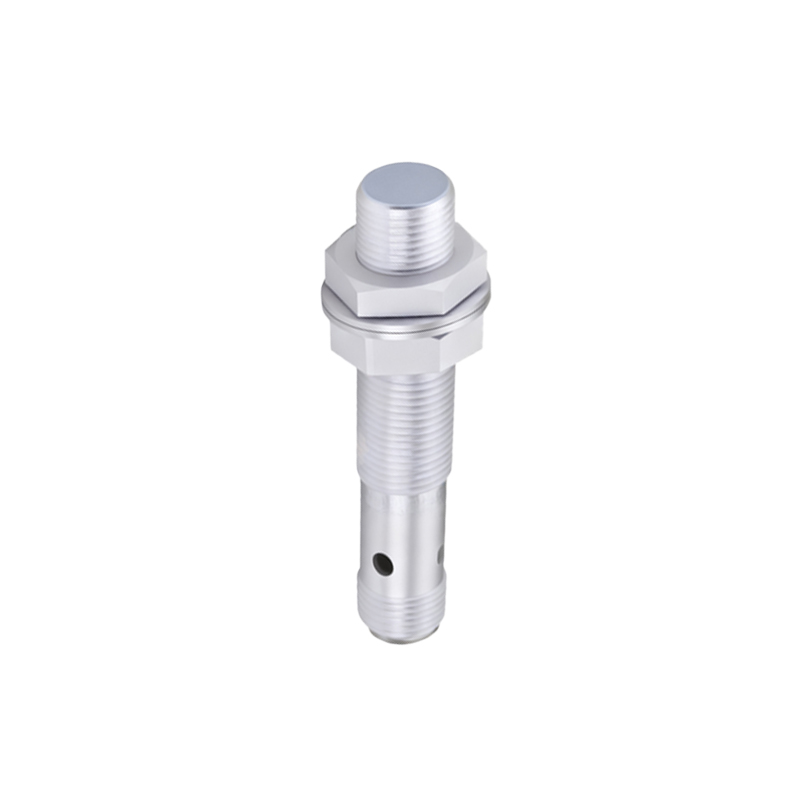
Diffuse reflective proximity sensors are pivotal components in modern industrial automation, offering non-contact detection capabilities for a wide range of applications. Unlike through-beam or retro-reflective sensors, diffuse sensors operate by emitting a light beam—typically infrared, visible red, or laser—and detecting the portion of light that scatters back from the target object. This working principle eliminates the need for a separate receiver, making them compact and easier to install in space-constrained environments.
The core advantage of diffuse sensors lies in their versatility. They can detect objects of varying colors, materials, and surface finishes, although the sensing distance may vary based on the target’s reflectivity. For instance, a highly reflective white surface will return more light, allowing for longer detection ranges, while dark or matte surfaces absorb more light, reducing the effective range. Modern sensors often incorporate background suppression technology or adaptive algorithms to mitigate these variations, ensuring reliable performance even with challenging materials.
In industrial settings, these sensors are extensively used for object presence detection, counting, positioning, and quality control. On conveyor systems, they verify the passage of items, trigger sorting mechanisms, or monitor fill levels in containers. In packaging machinery, they ensure labels are correctly applied or detect misaligned products. The robustness of diffuse sensors is another key benefit; many are housed in rugged, IP67-rated enclosures that withstand dust, moisture, and mechanical vibrations, making them suitable for harsh factory floors.
When selecting a diffuse proximity sensor, engineers must consider several parameters. The sensing range, typically from a few millimeters to several meters, should align with the application’s requirements. Response time is critical for high-speed production lines, where milliseconds can impact efficiency. Additionally, factors like light source type, output configuration (e.g., NPN/PNP, analog, or IO-Link), and environmental conditions (temperature, ambient light interference) play a crucial role in optimal sensor selection.
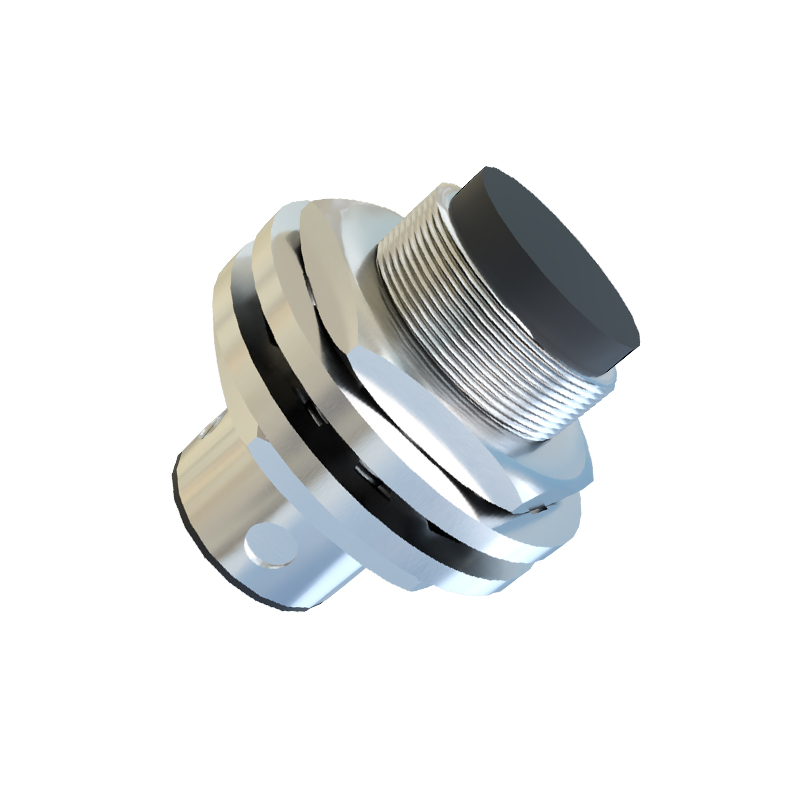
Recent advancements have enhanced the functionality of diffuse sensors. Smart sensors with IO-Link communication provide real-time diagnostics, parameter adjustments, and integration with Industry 4.0 systems. Energy-efficient designs reduce power consumption, while miniaturized models enable installation in tight spaces. Despite their simplicity, proper alignment and calibration are essential to avoid false triggers from background objects or environmental reflections.
In summary, diffuse reflective proximity sensors are indispensable tools in automation, balancing cost-effectiveness with reliable performance. Their adaptability to diverse industrial tasks underscores their importance in improving operational efficiency, safety, and precision. As technology evolves, these sensors will continue to integrate smarter features, further solidifying their role in the future of manufacturing and beyond.