In industrial automation and control systems, proximity switches are indispensable components for non-contact detection of metallic or, in some cases, non-metallic objects. They are critical for position sensing, limit control, counting, and speed detection. However, during system commissioning, troubleshooting, maintenance, or when a sensor fails unexpectedly, there may arise a need to temporarily bypass or "short" the proximity switch to verify other parts of the circuit, allow for manual operation, or maintain production continuity while awaiting a replacement. It is crucial to understand that bypassing a safety-critical sensor without proper risk assessment can be extremely hazardous. This guide outlines the technical methods and essential safety considerations for bypassing proximity switch sensors.
First, a fundamental understanding of proximity switch types and their output configurations is paramount. The two most common types are 3-wire DC sensors (PNP or NPN sourcing/sinking) and 2-wire AC/DC sensors. Their bypass methods differ.
For 3-Wire DC Proximity Switches (PNP/NPN):
A typical 3-wire sensor has connections for Brown (V+), Blue (V- or 0V), and Black (Signal Output). A PNP sensor switches the positive voltage to the load; an NPN switches the negative or 0V.
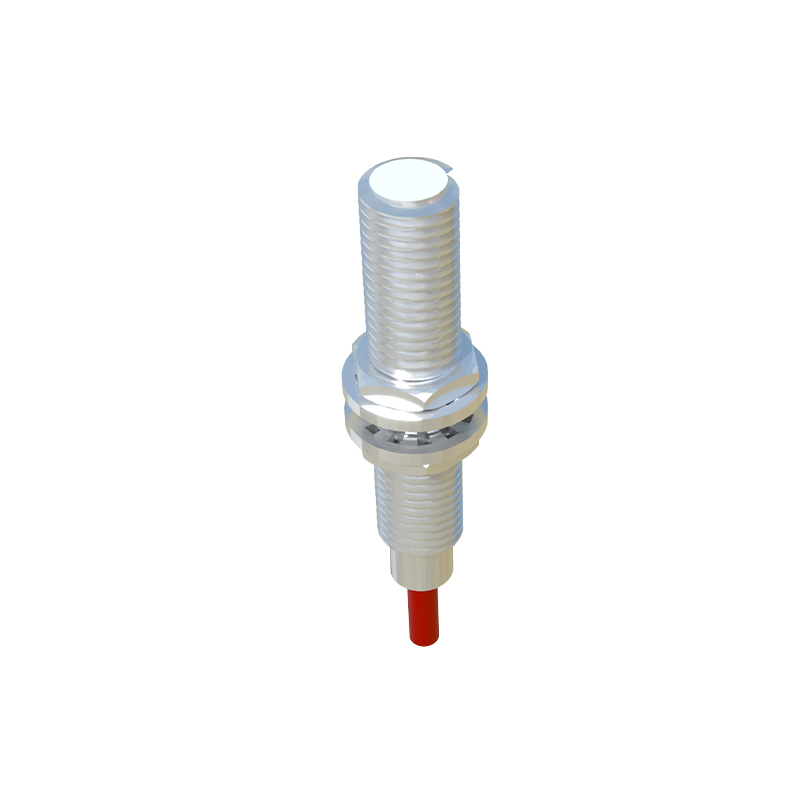
Bypassing a Normally Open (NO) PNP Sensor: To simulate the sensor detecting an object (closing the switch), you need to provide the signal voltage to the controller input. This can be done by carefully connecting a temporary jumper wire from the Brown wire (V+) terminal to the Black wire (Signal Output) terminal on the controller or junction box side, after disconnecting the sensor's signal wire. Never short the Brown wire directly to the Blue wire, as this creates a short circuit across the power supply.
Bypassing a Normally Open (NO) NPN Sensor: To simulate detection, you need to connect the signal line to 0V. A temporary jumper from the Black wire (Signal) terminal to the Blue wire (0V) terminal on the controller side would achieve this.
For Normally Closed (NC) configurations, the logic is inverted. Bypassing to simulate an object's presence typically means opening the circuit. This might involve simply disconnecting the signal wire, but the system logic must be understood first.
For 2-Wire AC/DC Proximity Switches:
These sensors act as a variable resistance switch in series with the load and power supply. Bypassing them to simulate an "ON" state often involves directly completing the circuit.
Method: After ensuring power is OFF and locked out/tagged out (LOTO), disconnect the two wires from the sensor. Connect these two wires together securely using a wire nut or terminal block. This effectively creates a closed switch, allowing current to flow to the load as if the sensor were continuously activated. Restore power cautiously. This method is common for simple on/off control but verify the load (e.g., a relay coil) is rated for continuous operation.
Critical Safety and Procedural Warnings:
1. Risk Assessment is Mandatory: Never bypass a sensor involved in safety functions (e.g., light curtains, guard door switches, emergency stop circuits). Bypassing such devices can lead to severe injury or death. This procedure is intended only for non-safety, operational control sensors.
2. Follow Lockout/Tagout (LOTO): Always de-energize and isolate the circuit before performing any wiring work. Use a multimeter to verify the absence of voltage.
3. Use Temporary Measures: Clearly label all jumper wires. Use insulated alligator clips or terminal blocks for temporary connections. Never leave a bypass in place permanently.
4. Understand the System Logic: Bypassing a sensor may have unintended consequences in a PLC program or sequential process. Consult system documentation or schematics.
5. Document the Action: Record the reason for the bypass, the time, the method used, and the person responsible. This is vital for traceability and restoring the system later.
6. Restore Properly: Once testing is complete or the replacement sensor arrives, remove the bypass meticulously and restore the original wiring, ensuring correct and tight connections.
In conclusion, while bypassing a proximity switch is a technically straightforward task involving creating an electrical short to simulate its signal, the implications are not trivial. It should be performed only by qualified personnel with a thorough understanding of the electrical circuit, the control logic, and the associated risks. The primary goal is always to diagnose issues or provide a controlled, temporary workaround, never to compromise the engineered safety and integrity of the automated system.