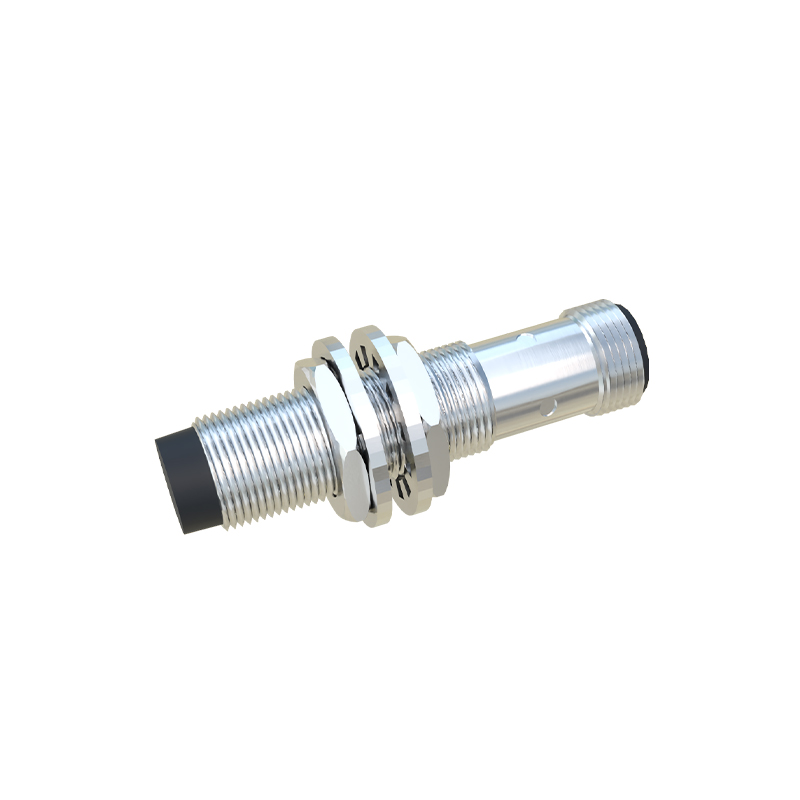
In the realm of industrial automation and control systems, proximity switch sensors play a pivotal role in detecting the presence or absence of objects without physical contact. Among the various specifications and codes associated with these devices, the "SN" designation frequently appears, often causing confusion for engineers and technicians. This article delves into the meaning of "SN" in proximity switch sensors, its implications for selection and application, and best practices for leveraging this information in real-world scenarios.
The term "SN" in proximity switch sensors typically stands for "Serial Number." However, in a broader technical context, it can also refer to "Sensing Distance" or "Specification Number," depending on the manufacturer and the specific product line. To avoid misinterpretation, it is crucial to consult the datasheet or technical documentation provided by the sensor manufacturer. In most cases, "SN" is used as a unique identifier for each sensor unit, aiding in traceability, quality control, and inventory management. This serialization helps manufacturers track production batches, calibration data, and warranty information, ensuring reliability and compliance with industry standards such as IEC 60947-5-2.
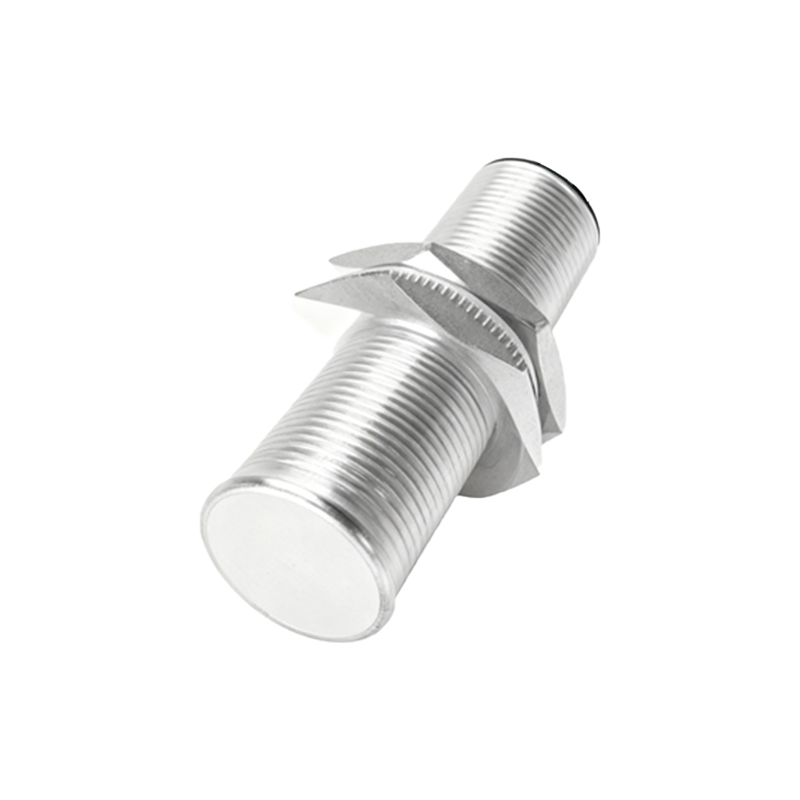
From a functional perspective, the sensing distance (often denoted separately as "Sn") is a critical parameter in proximity sensors. It represents the nominal detection range within which the sensor can reliably detect a standard target. For inductive proximity sensors, this target is usually a square piece of mild steel with a thickness equal to the sensor's diameter. The sensing distance is influenced by factors like the sensor's design, material composition, and environmental conditions. Engineers must consider this parameter to ensure proper installation and avoid false triggers. For example, a sensor with an Sn of 5mm should be mounted within that range to achieve optimal performance, while accounting for temperature variations or electrical interference that might affect accuracy.
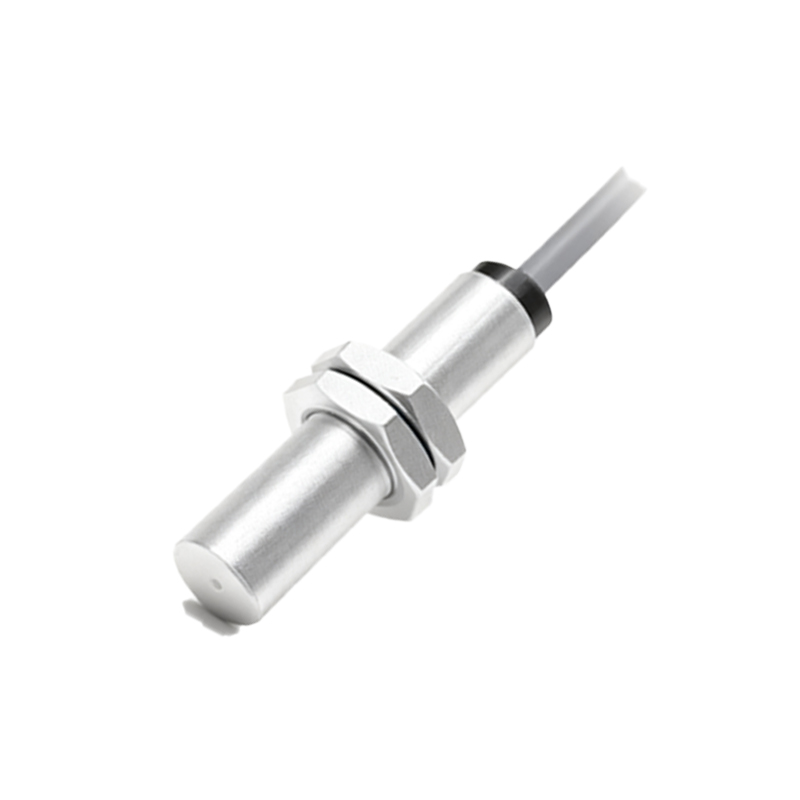
In practice, the "SN" marking on a sensor housing or label may include alphanumeric codes that encode additional information. These codes can indicate the sensor type (e.g., inductive, capacitive, or ultrasonic), output configuration (e.g., NPN or PNP), housing material (e.g., stainless steel or plastic), and electrical ratings. For instance, a proximity switch labeled "SN-1234-IP67" might signify a specific model with ingress protection against dust and water. Understanding these details is essential for system integration, as mismatched sensors can lead to operational failures or safety hazards.
When selecting a proximity switch sensor, professionals should prioritize clarity on the "SN" definition. Start by reviewing manufacturer guidelines—companies like Siemens, Omron, or Pepperl+Fuchs often provide detailed decoding charts for their part numbers. Additionally, consider the application requirements: in high-precision manufacturing, a sensor with a tight tolerance on sensing distance (Sn) may be necessary, while in harsh environments, a robust serial number (SN) system for maintenance tracking could be more valuable. Regular calibration and documentation of SN data can enhance lifecycle management, reducing downtime and costs.
In summary, the "SN" in proximity switch sensors serves multiple purposes, primarily as a serial number for identification and a reference to sensing distance in technical specs. By paying attention to this designation, engineers can make informed decisions that improve system efficiency and reliability. Always cross-reference with official resources and test sensors under actual operating conditions to validate performance. As automation technology evolves, staying updated on terminology and standards will remain key to leveraging these components effectively in diverse industrial settings.