In the realm of industrial automation, robotics, and quality control, the demand for accurate, non-contact measurement is paramount. High precision laser distance sensors have emerged as a cornerstone technology, enabling micron-level accuracy in diverse and challenging environments. Unlike traditional measurement tools, these sensors offer speed, reliability, and the ability to measure objects without physical contact, which is critical for delicate surfaces or high-speed production lines.
The core principle behind a high-precision laser sensor is triangulation or time-of-flight measurement. In the more common triangulation method, a laser diode projects a focused spot of light onto the target surface. The reflected light is then captured by a receiving lens at a specific angle and focused onto a position-sensitive detector, typically a CMOS or CCD array. The exact position of the light spot on this detector changes proportionally with the distance to the target. By calculating this shift with sophisticated onboard processors, the sensor outputs an extremely precise distance value. Time-of-flight sensors, often used for longer ranges, measure the phase shift or the direct time delay of a pulsed laser beam to calculate distance.

Achieving high precision is not merely about the laser itself; it is a symphony of advanced components and signal processing. Key factors include the quality and stability of the laser source, the resolution of the optical receiving system, and advanced algorithms that filter out ambient light noise and compensate for surface color or material variations. Modern sensors often incorporate features like background suppression and teach-in functions to adapt to specific application conditions. The housing is also critical, designed to be robust against vibration, temperature fluctuations, and electromagnetic interference, ensuring stable readings in harsh industrial settings.
The applications for these sensors are vast and transformative. In semiconductor manufacturing, they measure wafer thickness and warpage with sub-micron accuracy. In automotive assembly, they ensure precise gap and flush measurements between body panels. They guide robotic arms for precise picking and placement, control the thickness of rolled materials like paper and metal, and inspect the dimensional accuracy of machined parts. Their role in logistics, for palletizing and warehouse automation, is also growing, where they ensure objects are correctly positioned.
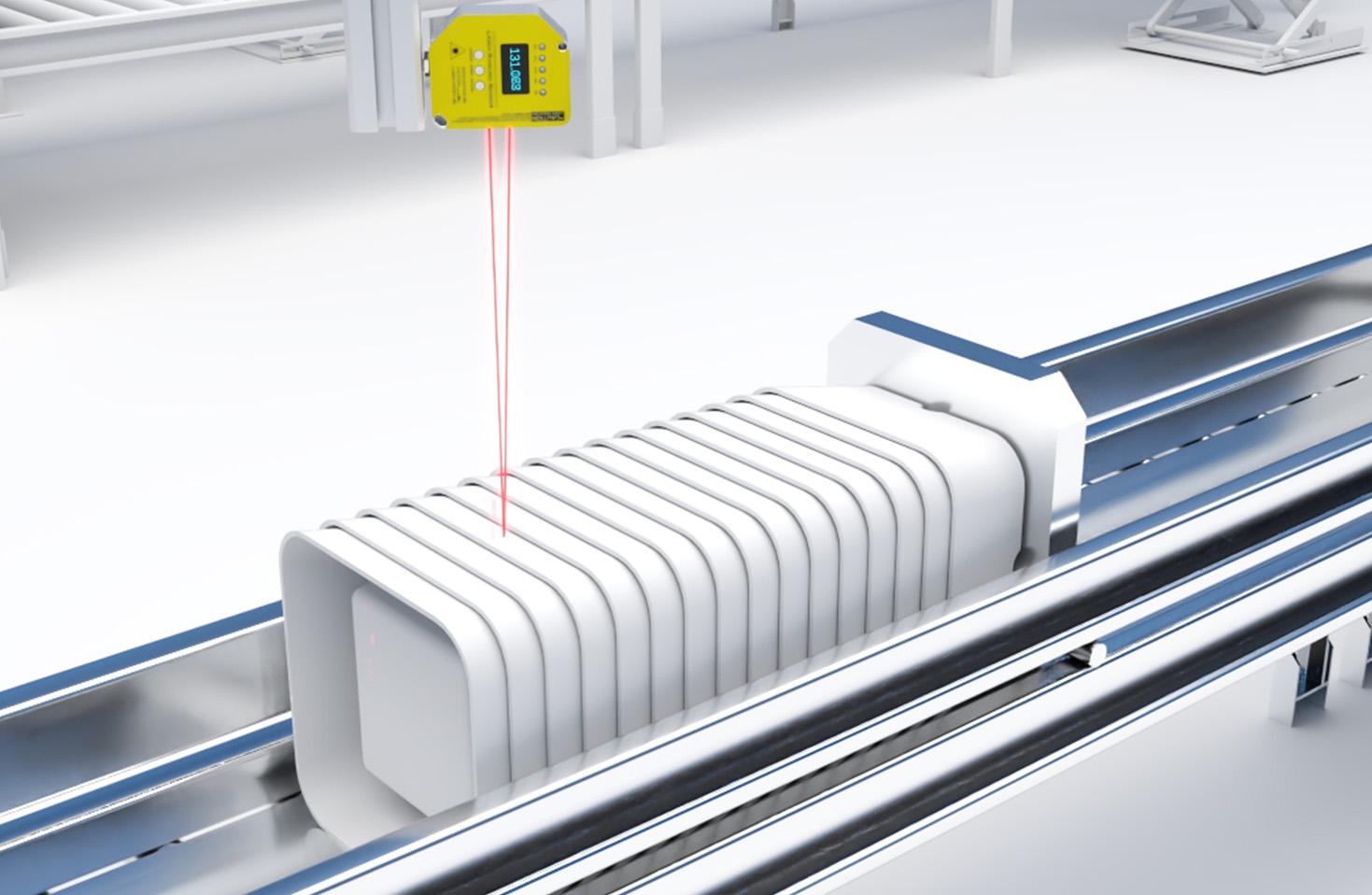
Selecting the right high-precision laser sensor requires careful consideration of several parameters beyond just the stated accuracy. The measuring range, resolution, repeatability, and linearity are fundamental specifications. The type of output (analog, digital, or serial interface) must match the control system. The laser class (usually Class 2, safe for incidental viewing) and spot size are important for safety and application suitability—a smaller spot allows for measuring smaller features. Environmental factors like the target's surface properties (shiny, dark, transparent), ambient temperature, and exposure to dust or coolant must also be evaluated. Leading manufacturers offer extensive product lines with varying performance characteristics to meet these diverse needs.
As technology advances, the trend is toward even smaller, faster, and more intelligent sensors. Integration with Industrial IoT platforms allows for predictive maintenance and data analytics, turning simple distance measurements into actionable insights for process optimization. The future will likely see enhanced multi-point measurement capabilities and sensors that can adapt their parameters autonomously based on the detected target.
In conclusion, high precision laser distance sensors are indispensable tools in modern industry. Their ability to deliver reliable, micron-accurate measurements at high speeds underpins advancements in manufacturing quality, automation efficiency, and technological innovation. Understanding their operating principles and selection criteria is essential for engineers and technicians to fully leverage their potential and drive continuous improvement in their respective fields.