In the vast landscape of industrial automation, robotics, and smart systems, the ability to detect the presence or absence of an object without physical contact is fundamental. While standard inductive, capacitive, or photoelectric sensors handle a majority of detection tasks, certain demanding environments and unique materials require a more specialized approach. This is where special proximity sensors come into play. These sensors are engineered with specific technologies or designs to overcome challenges where conventional sensors fail, offering reliable operation in extreme conditions or with unconventional target materials.
A primary category within special proximity sensors is the all-metal sensing inductive sensor. Standard inductive sensors are highly effective for detecting metals but have a critical limitation: their sensing range varies significantly depending on the type of metal. For instance, a sensor calibrated for steel may have a greatly reduced range for aluminum or copper, or may not detect it at all. All-metal sensors solve this problem by utilizing a different operating frequency and advanced evaluation electronics. They are designed to maintain a consistent sensing range for all common metals—ferrous and non-ferrous alike—such as steel, aluminum, brass, and copper. This makes them indispensable in applications involving mixed material handling, recycling sorting lines, or machining centers where different metal workpieces are used interchangeably.
Another crucial type is the high-temperature proximity sensor. Standard sensors are typically rated for ambient temperatures up to 70°C (158°F). In environments like die-casting machines, glass manufacturing, furnace monitoring, or near engine components, temperatures can far exceed this limit. High-temperature proximity sensors are built with specialized components, high-temperature-resistant cables, and often incorporate cooling elements or robust housing designs. They can reliably operate in ambient temperatures ranging from 150°C to over 200°C, ensuring continuous process monitoring and safety in harsh thermal conditions.
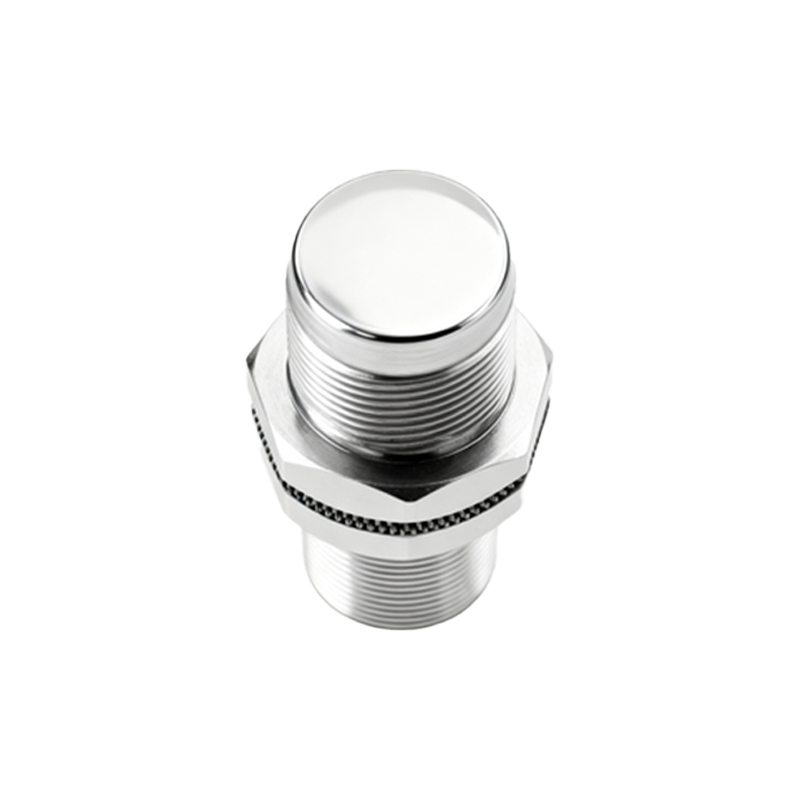
For applications involving detection through barriers or in hygienic settings, non-metallic housing sensors are essential. Standard inductive sensors have metal housings. When mounted adjacent to each other or near metal mounting structures, they can interfere with one another (a phenomenon called flanking) or may be influenced by the surrounding metal. Sensors with housings made of specialized plastics, PEEK, or Vespel eliminate this issue. They are also inherently corrosion-resistant and are the preferred choice in the food and beverage, pharmaceutical, and chemical industries where metal contamination or corrosion is a concern. Furthermore, their non-conductive nature makes them safe for use in environments with strong electromagnetic fields.
Weld-field immune inductive sensors represent another specialized solution. In welding cells, the powerful magnetic fields generated by welding equipment can cause standard inductive sensors to trigger falsely or become permanently damaged. Weld-field immune sensors are shielded with special materials like mu-metal, which diverts and absorbs these interfering magnetic fields. This shielding allows them to function correctly when mounted directly on welding jigs, robotic welder arms, or nearby, providing precise position feedback without disruption from the welding process.
Beyond inductive types, specialized capacitive proximity sensors are developed for unique challenges. While standard capacitive sensors detect liquids, powders, and non-metals, special versions offer enhanced capabilities. For example, some are designed with flat, sanitary housings for easy cleaning, crucial for food processing. Others have extremely low minimum sensing object requirements, capable of detecting thin plastic films or small amounts of material through a container wall. There are also capacitive sensors specifically tuned to ignore the container material (like glass or plastic) and only react to the level of the substance inside.
Selecting the right special proximity sensor requires a careful analysis of the application's core challenge. Key factors to consider include the target material composition, the required sensing distance, the ambient temperature range, the presence of contaminants (oil, coolant, dust), potential electromagnetic interference, and necessary housing material for chemical compatibility or mounting constraints. Consulting with sensor specialists and reviewing detailed technical data sheets is always recommended to match the sensor's special capabilities precisely to the application's demands.
The evolution of these specialized devices continues, driven by Industry 4.0 and increasingly complex automation needs. Innovations are leading to sensors that combine special features—like an all-metal, high-temperature, and weld-field immune sensor in one unit. By providing robust solutions where standard sensors cannot operate, special proximity sensors are critical enablers of reliability, efficiency, and safety in modern industrial systems, filling the vital gaps in sensing technology.