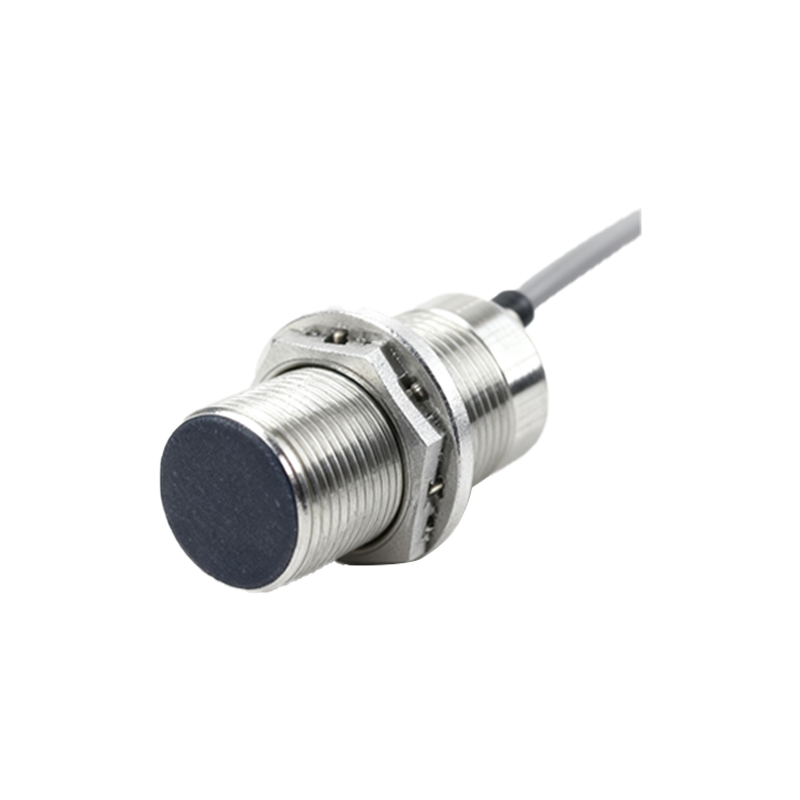
Proximity sensors are ubiquitous in modern technology, silently enabling countless automated processes. From ensuring your smartphone screen turns off during a call to detecting objects on complex assembly lines, their function hinges on one critical parameter: the effective sensing range. This is not merely a theoretical maximum distance but a practical operating window where the sensor performs reliably under specified conditions.
The effective range, often termed the "nominal sensing distance" or "operating range," is the distance within which a sensor can consistently detect a standard target. It is crucial to distinguish this from the maximum possible detection distance, which might be unstable or influenced by external factors. Understanding what defines this range is key to selecting and applying the right sensor for any application.
Several core factors directly influence a proximity sensor's effective range. The first is the sensor's underlying technology. Inductive sensors, which detect metallic objects, typically have shorter ranges, from a few millimeters up to about 60 millimeters, depending on the target metal's properties and the sensor's size. Capacitive sensors, capable of detecting both metallic and non-metallic materials, also generally operate at shorter distances, similar to inductive types. In contrast, ultrasonic sensors use sound waves and can achieve ranges from a few centimeters to several meters, making them suitable for level detection or larger object presence. Photoelectric sensors, which use light beams, offer the most versatility in range, with some diffuse-reflective models working at a meter or more and through-beam models capable of sensing over tens of meters in clear conditions.
The second major factor is the target object itself. For inductive sensors, the target's material, size, and shape are paramount. A larger piece of mild steel will be detected at a greater distance than a small piece of aluminum or stainless steel. Manufacturers specify a "correction factor" for different metals. For photoelectric and ultrasonic sensors, the target's color, reflectivity, surface texture, and size dramatically affect the reliable sensing distance. A matte black object will absorb light, reducing a photoelectric sensor's range compared to a shiny white object of the same size. The target must also be large enough to interrupt the sensor's beam or field adequately.
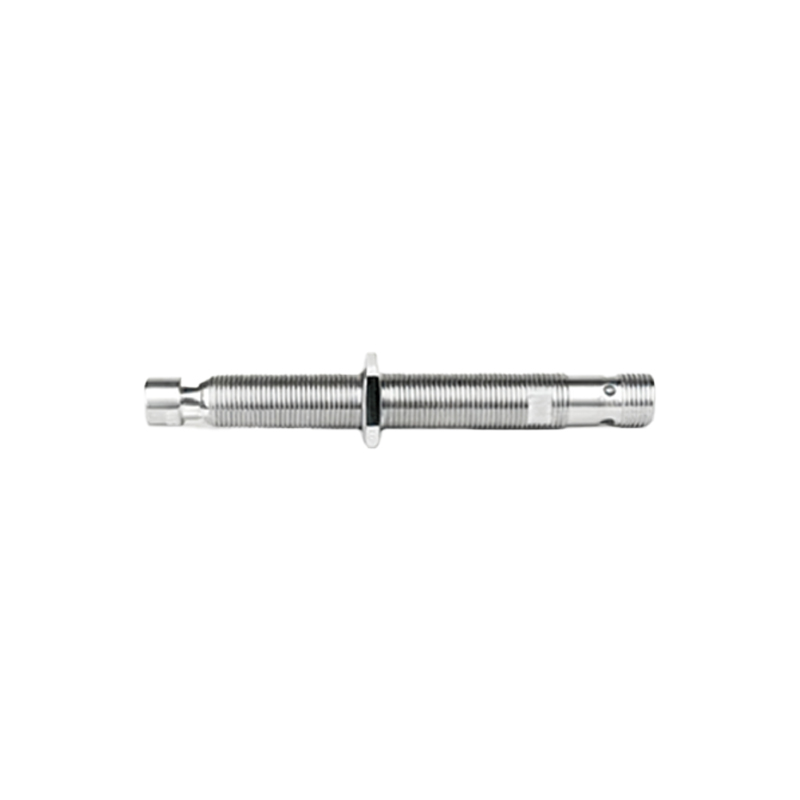
Environmental conditions form the third critical influence. Temperature extremes can affect electronic components and, in ultrasonic sensors, the speed of sound. Contaminants like dust, oil mist, or steam can obscure optical lenses or dampen ultrasonic signals. Intense ambient light can swamp the receiver of a photoelectric sensor. Electrical noise from motors or frequency converters can interfere with sensor signals. The effective range specified in datasheets assumes standard conditions; real-world applications often require derating or choosing sensors with built-in environmental compensation.
Installation and alignment are often overlooked but vital practical considerations. A sensor must be mounted securely without vibration. For beam-based sensors, precise alignment is essential to maintain the stated range. Reflections from nearby shiny surfaces can cause false triggers for ultrasonic or photoelectric sensors, effectively reducing the usable range. Maintaining adequate clearance around the sensor head, as recommended by the manufacturer, ensures the electromagnetic or acoustic field is not distorted.
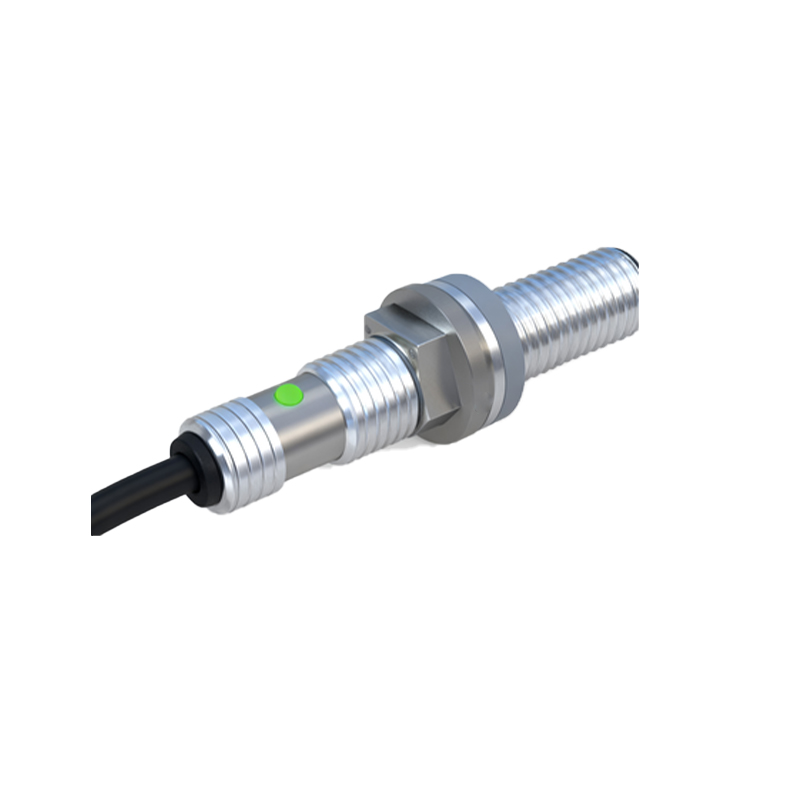
To ensure optimal performance, always consult the manufacturer's datasheet. It will specify the nominal sensing distance (Sn) for a standard target under defined conditions. Pay close attention to graphs showing hysteresis (the difference between the switch-on and switch-off points) and the influence of target size or material. When designing a system, engineers should incorporate a safety margin, typically using only 60-80% of the nominal range to account for production tolerances, wear, and environmental variances. Regular maintenance, including lens cleaning for optical sensors, is necessary to preserve the original effective range over time.
In summary, the effective range of a proximity sensor is a dynamic specification, not a fixed number. It results from an interplay between the sensor's technology, the target's characteristics, and the operating environment. A deep understanding of these variables allows engineers and technicians to deploy sensors reliably, ensuring system robustness, safety, and efficiency. Selecting a sensor with an appropriate range margin and installing it correctly are the final, crucial steps in translating datasheet specifications into real-world performance.