In industrial automation systems, proximity sensors and motors form a critical partnership that drives efficiency, precision, and reliability. Selecting the appropriate motor to pair with a proximity sensor is not a one-size-fits-all decision; it requires a thorough understanding of application requirements, sensor specifications, and motor characteristics. This guide delves into the key considerations for optimal pairing, ensuring seamless integration and peak performance.
Proximity sensors, including inductive, capacitive, and magnetic types, detect the presence or absence of an object without physical contact. They generate signals used for positioning, counting, speed monitoring, or end-limit detection. The choice of motor—whether AC, DC, servo, or stepper—must align with the sensor's output type (e.g., NPN/PNP, analog, or digital) and response time. For instance, in high-speed packaging lines where sensors detect product position, servo motors with precise torque and speed control are often ideal. Their ability to respond rapidly to sensor feedback minimizes lag, ensuring accurate placement and reducing waste.
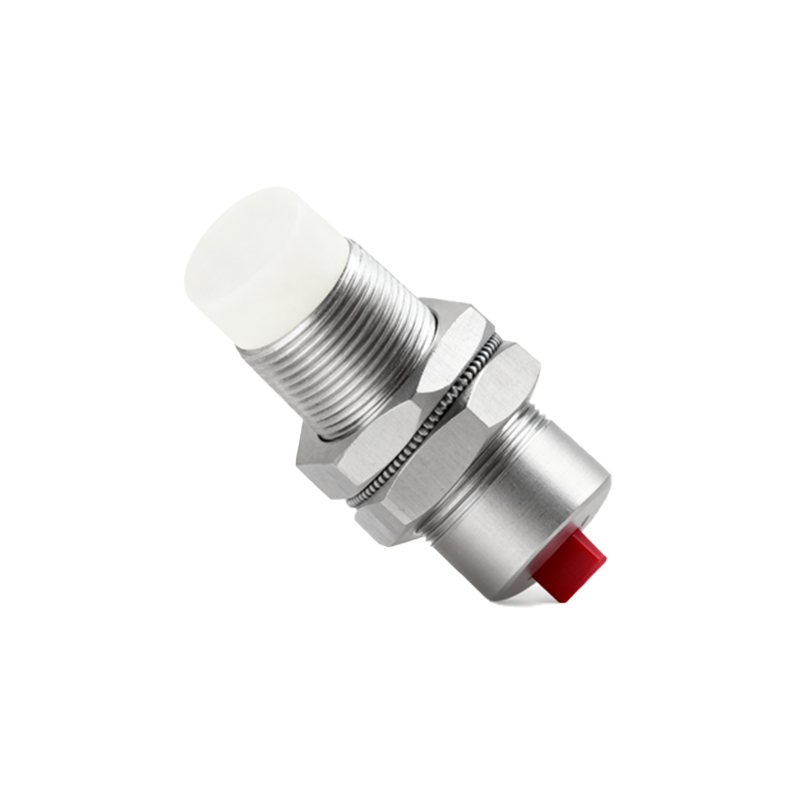
The operating environment significantly influences pairing decisions. In harsh conditions with dust, moisture, or vibrations, ruggedized inductive proximity sensors paired with totally enclosed fan-cooled (TEFC) AC motors offer durability. These motors withstand contaminants while providing consistent power, and the sensor's robust housing protects against interference. For clean-room applications, such as semiconductor manufacturing, non-contact capacitive sensors paired with brushless DC motors prevent particle generation, maintaining cleanliness and precision.
Load dynamics and control complexity are other vital factors. In conveyor systems where proximity sensors monitor object passage for speed regulation, three-phase AC induction motors with variable frequency drives (VFDs) are a common match. The sensor's pulsed output can trigger the VFD to adjust motor speed, optimizing energy use and throughput. For robotic arms requiring exact positioning, magnetic proximity sensors paired with high-resolution stepper motors enable step-by-step movement control, with sensors providing homing or limit signals to prevent overtravel.
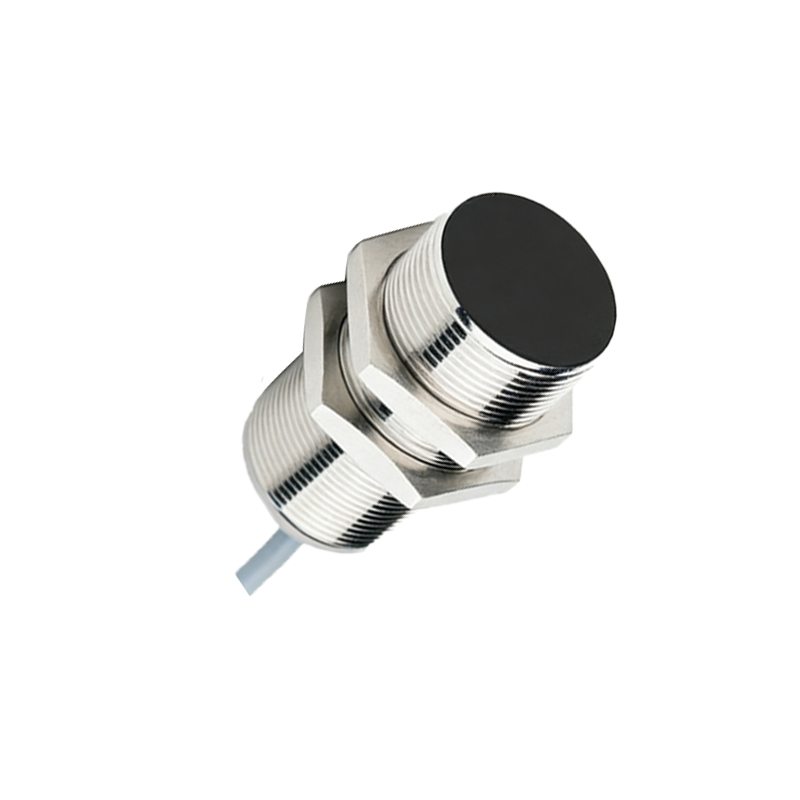
Electrical compatibility is paramount. Ensure the sensor's output voltage and current ratings suit the motor controller's input requirements. A 24V DC proximity sensor with a PNP output, for example, integrates smoothly with PLC-controlled DC motors, enabling straightforward wiring and logic programming. Mismatched levels can cause malfunctions or damage. Additionally, consider noise immunity; shielded cables and proper grounding are essential when pairing sensors with motors in electrically noisy environments to prevent false triggers.
Future-proofing through smart technology is becoming standard. IO-Link enabled proximity sensors paired with smart motors or drives facilitate predictive maintenance. These sensors transmit data on operating status or wear, allowing the motor system to adjust parameters proactively, reducing downtime. In automated warehouses, such paired systems enhance sorting accuracy by real-time tracking.
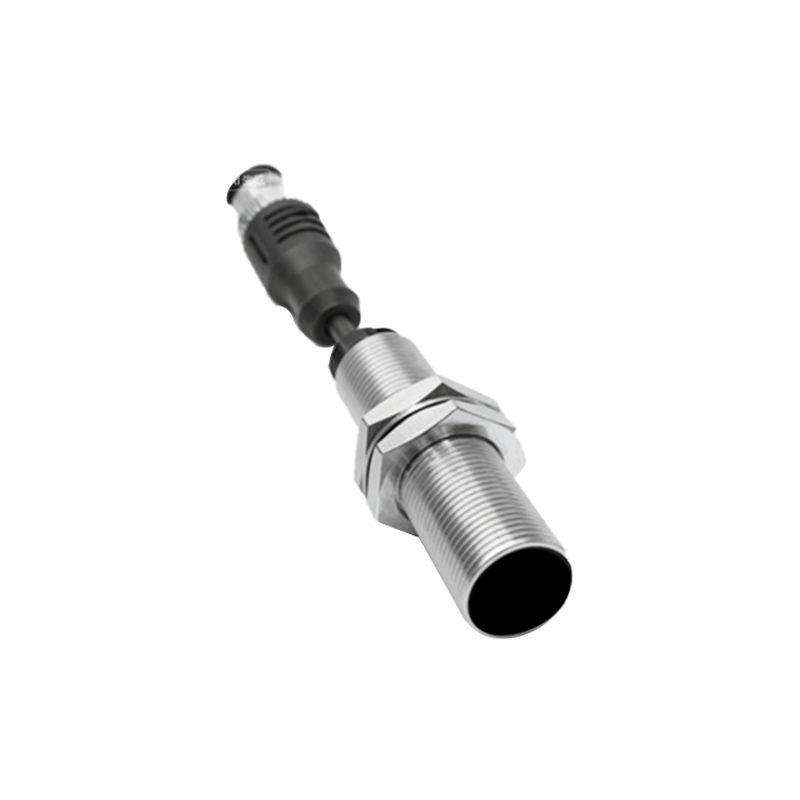
Ultimately, successful pairing hinges on a holistic view of the application. Consult technical datasheets, simulate setups when possible, and prioritize components from vendors that ensure interoperability. By aligning sensor capabilities with motor performance, engineers can build resilient, efficient automation solutions that meet today's demands and adapt to tomorrow's challenges.