In the industrial automation and sensor technology sectors, the term "supercapacitive proximity sensor" frequently emerges in technical discussions and product specifications. However, a common point of confusion arises: Is "supercapacitive proximity sensor" a brand name, or does it refer to a specific type of sensor technology? This article aims to clarify this misconception by delving into the technical principles, applications, and market landscape of supercapacitive proximity sensors, providing a clear distinction between brand identities and technological categories.
To begin with, a supercapacitive proximity sensor is fundamentally a non-contact sensing device that operates based on changes in capacitance. Unlike traditional capacitive sensors, which rely on dielectric constant variations, supercapacitive sensors utilize advanced materials and designs to enhance sensitivity and stability. They detect the presence or absence of objects by measuring capacitance shifts caused by the target's proximity, making them ideal for applications requiring high precision and reliability. This technology is not proprietary to any single company; instead, it represents a broad class of sensors developed and manufactured by multiple brands worldwide.
The core technology behind supercapacitive proximity sensors involves the use of supercapacitors or enhanced capacitive elements that offer superior performance in terms of response time, energy efficiency, and durability. These sensors are commonly employed in industries such as automotive manufacturing, robotics, consumer electronics, and aerospace, where they facilitate tasks like object detection, position monitoring, and quality control. For instance, in automotive assembly lines, supercapacitive sensors ensure precise alignment of components, while in consumer devices, they enable touchless interfaces and gesture recognition. The versatility of this technology underscores its widespread adoption across various sectors, independent of any specific brand.
In the global market, numerous reputable brands produce and market supercapacitive proximity sensors, each offering unique features and specifications. Companies like Siemens, Omron, Pepperl+Fuchs, and Balluff are prominent players that integrate supercapacitive technology into their sensor product lines. These brands differentiate themselves through factors such as design innovation, customization options, and after-sales support, but the underlying technology remains consistent—supercapacitive sensing. Therefore, referring to "supercapacitive proximity sensor" as a brand is inaccurate; it is a technical descriptor that encompasses a range of products from different manufacturers.
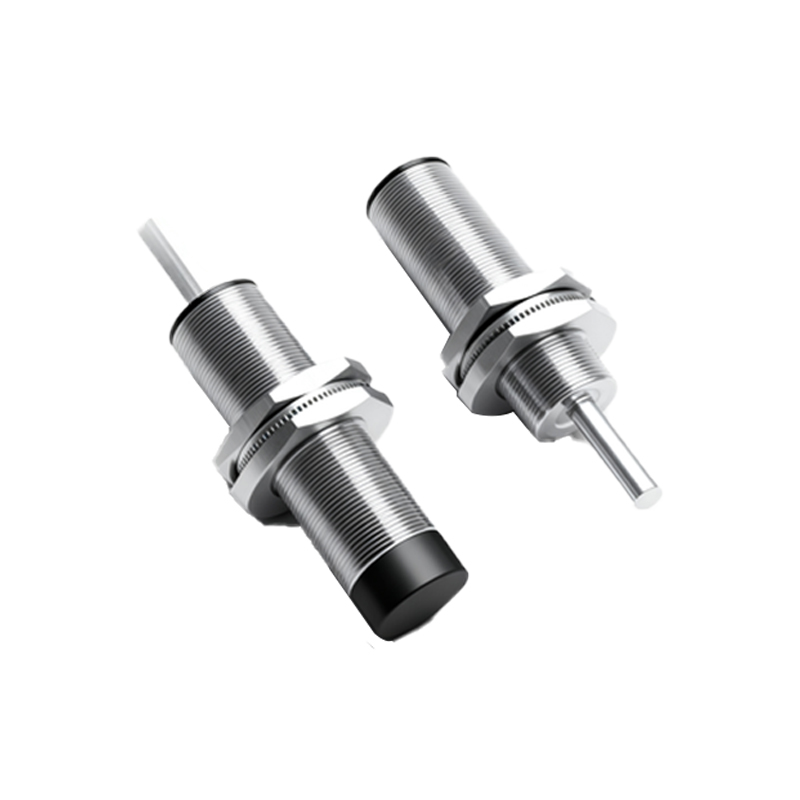
One key aspect to consider is the evolution of sensor terminology. As technologies advance, terms like "supercapacitive" may become associated with specific brands due to marketing efforts or pioneering developments. However, in the case of supercapacitive proximity sensors, the term has been widely adopted in academic literature and industry standards to denote a sensor type, not a trademarked name. This distinction is crucial for engineers and procurement specialists who need to select sensors based on technical requirements rather than brand perception. Misinterpreting it as a brand could lead to confusion in product selection, potentially overlooking suitable alternatives from other vendors.
Moreover, the performance characteristics of supercapacitive proximity sensors, such as detection range, environmental resistance, and power consumption, vary among brands but are rooted in the same technological principles. For example, some brands may focus on miniaturization for compact devices, while others prioritize ruggedness for harsh industrial environments. Understanding these nuances helps professionals make informed decisions, emphasizing the importance of evaluating specifications over brand names alone. Industry standards and certifications, such as IEC and ISO guidelines, further reinforce that supercapacitive proximity sensors are a standardized technology category, not a proprietary brand.
In conclusion, supercapacitive proximity sensor is not a brand but a well-established technology within the sensor industry. It describes a class of devices that leverage enhanced capacitive mechanisms for accurate proximity detection, produced by multiple brands globally. Recognizing this distinction enables better communication, research, and procurement practices in electrical and automation engineering. As technology continues to evolve, staying informed about such terminologies will be essential for leveraging the full potential of advanced sensing solutions in diverse applications.