In the rapidly evolving landscape of industrial automation, proximity sensors stand as critical components for enabling non-contact detection, enhancing efficiency, and ensuring safety. These devices, which detect the presence or absence of objects without physical contact, are integral to countless applications from assembly lines and robotics to automotive manufacturing and packaging. The market for these sensors is dominated by several key players, each renowned for their technological innovation, reliability, and comprehensive product portfolios. This article delves into the leading proximity sensor manufacturing companies that are shaping the industry.
At the forefront is Sick AG, a German powerhouse with a global reputation. Sick's proximity sensor range is celebrated for its precision, durability, and advanced features like IO-Link connectivity and high environmental resistance. Their sensors are engineered to perform flawlessly in harsh conditions, making them a staple in demanding sectors such as logistics and heavy machinery. Following closely is Omron Corporation from Japan, a titan in factory automation. Omron's inductive, capacitive, and photoelectric proximity sensors are synonymous with high performance and miniaturization. Their E2E series, for instance, offers exceptional sensing distances and robustness, backed by decades of engineering excellence and a strong focus on IoT integration for smart factory solutions.
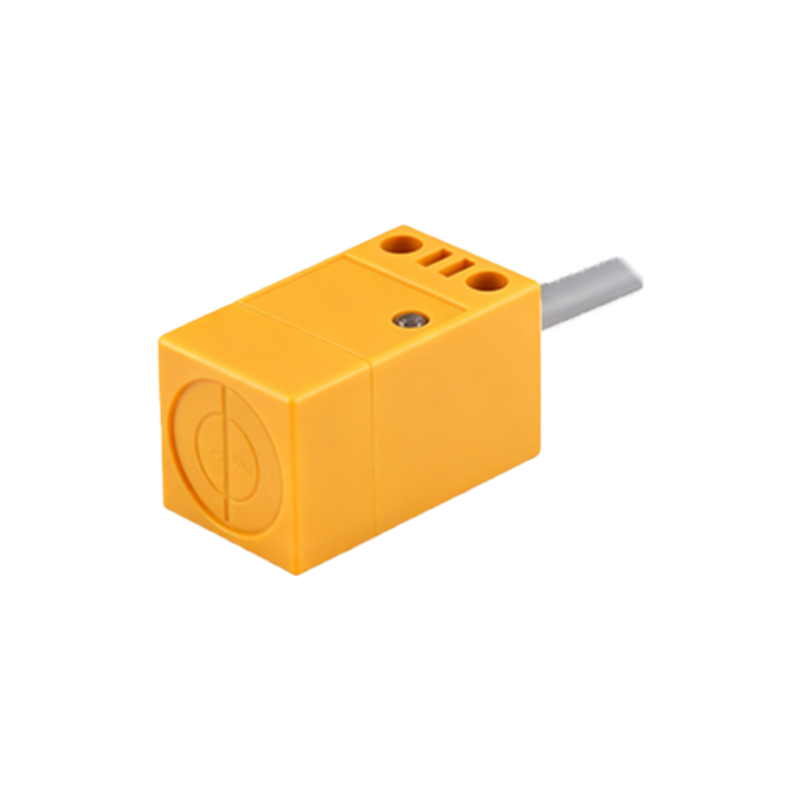
Another European leader, Pepperl+Fuchs, excels in providing innovative sensor solutions, particularly for hazardous areas and intrinsically safe applications. Their expertise in developing sensors for explosive atmospheres (ATEX/IECEx certified) sets them apart, ensuring safety in industries like oil and gas and chemical processing. Similarly, Balluff GmbH, also from Germany, is highly regarded for its high-quality inductive and capacitive sensors. Balluff emphasizes modularity and connectivity, offering sensors with integrated IO-Link and RFID capabilities, which are pivotal for Industry 4.0 data collection and process transparency.
From the United States, Rockwell Automation (Allen-Bradley) commands significant presence. Their proximity sensors are designed to seamlessly integrate with the broader Allen-Bradley control ecosystem, providing reliability and ease of use for North American and global markets. Their products often feature rugged designs suitable for a wide range of industrial environments. Meanwhile, ifm electronic, another German innovator, has made substantial impacts with its user-friendly and efficient sensor technology. ifm's product philosophy centers on simplicity and diagnostic capabilities, with many sensors featuring built-in condition monitoring indicators to preempt maintenance issues.
Keyence Corporation of Japan deserves special mention for its cutting-edge, high-performance sensors. Known for pushing technological boundaries, Keyence offers proximity sensors with extraordinary sensing ranges, ultra-compact sizes, and advanced functions like precise edge detection. They cater extensively to high-precision fields such as electronics manufacturing. Additionally, Turck is a prominent player offering a vast array of proximity sensors, including those in ultra-miniature designs and with high chemical resistance. Their expertise in connectivity and network interfaces makes them a versatile choice for complex automation systems.
The dominance of these companies is not accidental. It stems from continuous investment in R&D, understanding of nuanced market needs, and a commitment to global supply chain and support networks. The current trends they are driving include the miniaturization of sensors without compromising performance, the integration of smart communication protocols (like IO-Link) for predictive maintenance, and enhanced resilience against extreme temperatures, shocks, and contaminants.
Choosing the right proximity sensor supplier depends on specific application requirements: sensing distance, material composition of the target, environmental conditions, required output type, and connectivity needs. The companies listed above provide the benchmarks for quality and innovation. As industries march towards greater automation and digitalization, the role of these sensor manufacturers becomes ever more crucial. Their ongoing advancements in sensing technology will continue to be the bedrock upon which smarter, safer, and more efficient factories of the future are built.