In the realm of industrial automation and quality control, precision measurement is paramount. Among the most transformative technologies enabling this precision is the laser profile sensor. This sophisticated device operates on the principle of optical triangulation, projecting a laser line onto a target surface and using a high-resolution camera to capture the deformation or profile of that line. The resulting data is processed to generate a highly accurate 2D or 3D representation of the object's surface geometry. Unlike traditional single-point laser sensors, profile sensors capture thousands of data points in a single scan, providing a comprehensive cross-sectional view. This capability is indispensable for applications requiring detailed dimensional analysis, such as inspecting weld seams for volume and depth, verifying the contour of machined parts, or detecting subtle defects like scratches and dents on surfaces.
The core components of a modern laser profile sensor include a laser diode, optics for line generation, a CMOS or CCD imaging sensor, and a powerful onboard processor. Key performance metrics are scanning frequency, measurement range, resolution, and linearity. High-end models can achieve scanning rates exceeding 10 kHz, making them suitable for high-speed production lines. The Z-axis resolution can reach the micron level, while the X-axis resolution depends on the camera's pixel count and the field of view. Environmental robustness is another critical factor; industrial-grade sensors are housed in rugged enclosures with IP67 ratings, protecting them from dust, moisture, and mechanical vibration. They also incorporate algorithms to compensate for ambient light interference and varying surface reflectivity, from shiny metals to dark, absorbent materials.
Integration of these sensors into automated systems is streamlined through standard industrial communication protocols like Ethernet/IP, PROFINET, EtherCAT, and TCP/IP. This allows for seamless data transfer to Programmable Logic Controllers (PLCs) or industrial PCs for real-time analysis and decision-making. The software suite accompanying these sensors is equally vital. It typically offers tools for setting measurement zones, defining tolerances, and creating pass/fail criteria. Advanced software can perform complex tasks such as edge detection, gap measurement, and even OCR (Optical Character Recognition) on embossed or engraved characters.
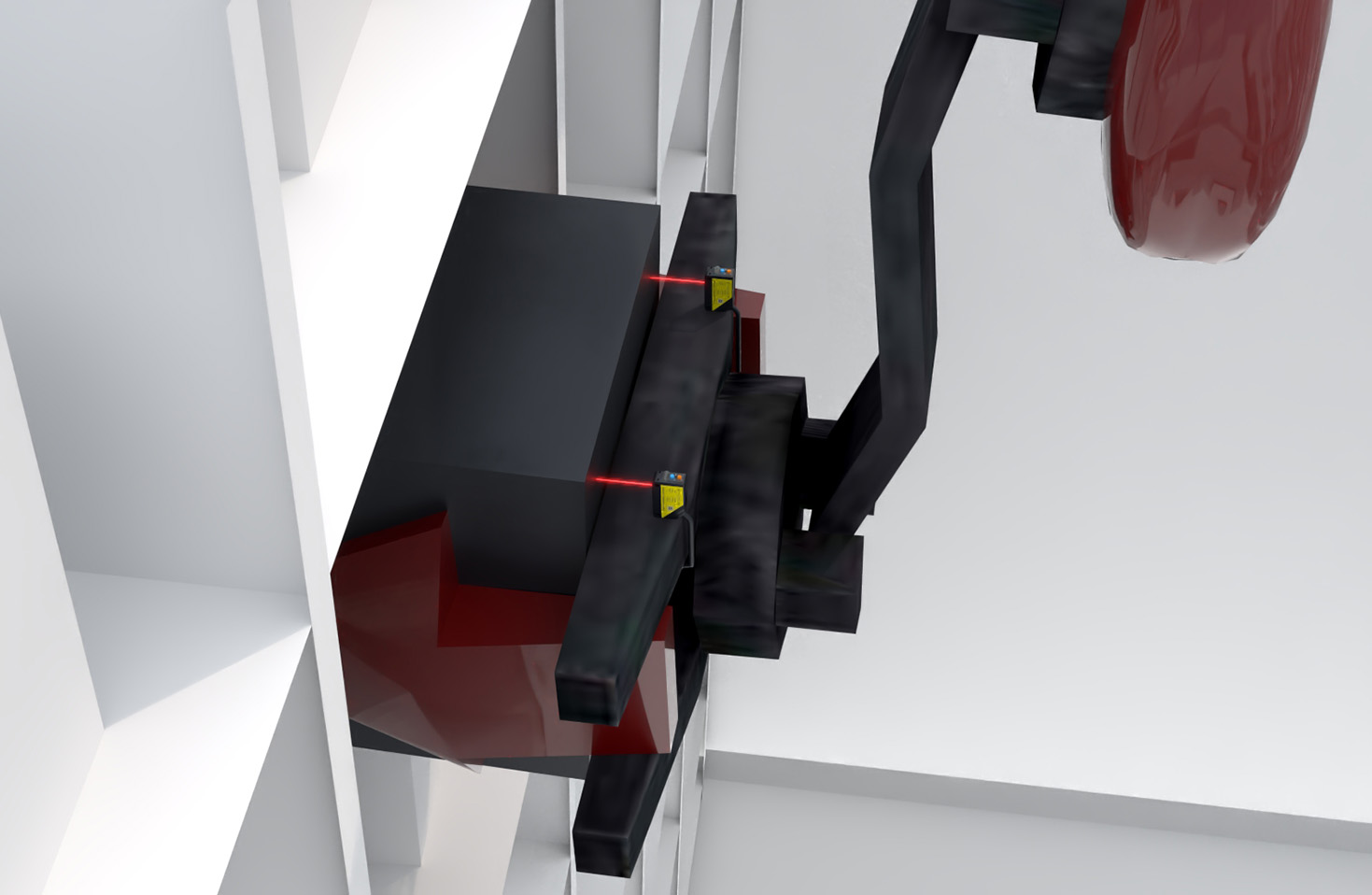
The applications of laser profile sensors span numerous industries. In automotive manufacturing, they are used for 100% inspection of tire treads, brake pad thickness, and body panel gaps. In electronics, they ensure the coplanarity of BGA (Ball Grid Array) components and the precise application of solder paste. In logistics and packaging, they measure parcel dimensions for volumetric weighing and verify box seal integrity. Furthermore, in robotics, they serve as the "eyes" for bin-picking systems, enabling robots to identify and grasp randomly oriented parts by generating 3D point clouds.
Looking ahead, the evolution of laser profile sensors is geared towards smarter, more compact, and more versatile designs. The integration of AI and machine learning algorithms directly at the sensor edge (edge computing) is a significant trend. This allows for adaptive inspection where the sensor can learn from production variations and minimize false rejects. Another development is the miniaturization of sensors, enabling their installation in tight spaces previously inaccessible. Multi-line lasers and blue laser technology are also emerging to improve performance on challenging surfaces, such as transparent glass or hot glowing metals, which traditionally posed difficulties for standard red lasers.
In conclusion, laser profile sensors are a cornerstone of modern industrial metrology. By providing fast, non-contact, and highly accurate profile data, they empower manufacturers to achieve unprecedented levels of quality control, process optimization, and automation efficiency. Their continued advancement will undoubtedly play a critical role in the realization of smarter, more adaptive, and zero-defect manufacturing environments, solidifying their status as an essential tool for engineers driving the fourth industrial revolution.