In industrial automation and control systems, two-wire proximity sensors are widely used for their simplicity and cost-effectiveness. These sensors, which combine power supply and signal output in a single pair of wires, are essential for detecting the presence or absence of objects without physical contact. However, a common yet critical issue that engineers and technicians encounter is reverse wiring—connecting the positive and negative terminals incorrectly. This article delves into the implications, symptoms, and preventive measures associated with reverse wiring in two-wire proximity sensors.
When a two-wire proximity sensor is wired in reverse, the immediate effect is often a failure to operate as intended. Unlike three-wire or four-wire sensors that may have built-in protection against polarity reversal, two-wire sensors typically lack such safeguards due to their minimalist design. Reverse polarity can lead to internal component damage, particularly in the sensor's electronic circuitry. The sensor might not activate at all, or it could exhibit erratic behavior, such as intermittent triggering or false signals. In some cases, the sensor may appear to function normally initially, but prolonged exposure to reverse voltage can cause gradual degradation, reducing its lifespan and reliability.
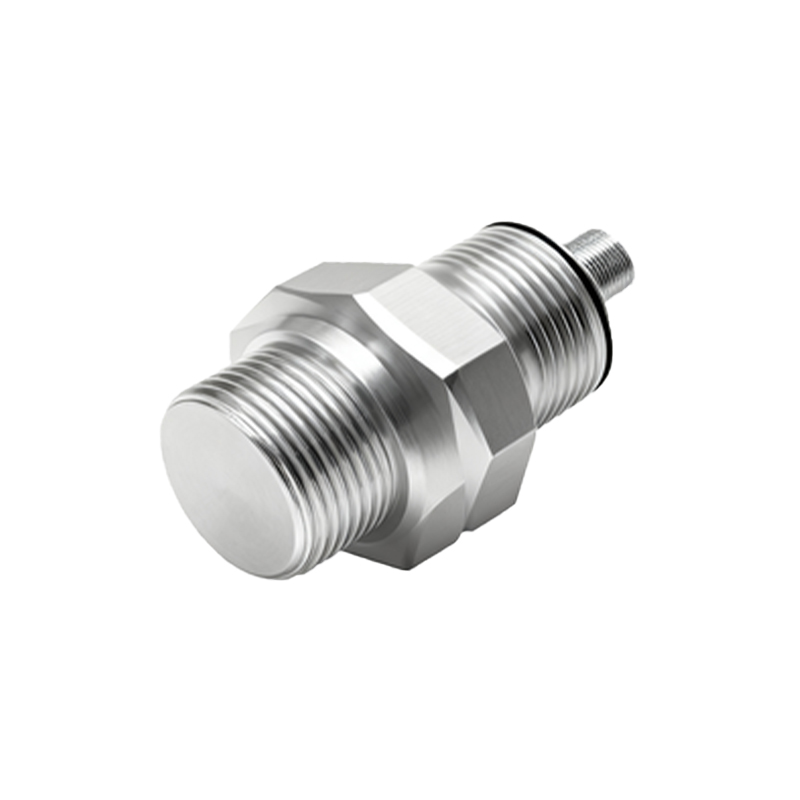
The symptoms of reverse wiring vary depending on the sensor's design and the severity of the misconnection. Common indicators include no output signal when an object is detected, even if the sensor's LED indicator lights up. Alternatively, the sensor might produce a continuous signal regardless of object presence, leading to malfunctions in downstream control systems like PLCs (Programmable Logic Controllers) or relays. In extreme scenarios, reverse wiring can cause overheating, smoking, or even permanent failure, posing safety risks and necessitating costly replacements. It's crucial to note that many two-wire sensors are not polarity-sensitive in theory, but in practice, incorrect wiring often disrupts their normal operation due to the nature of their internal semiconductor components.
To prevent reverse wiring, adherence to proper installation procedures is paramount. Always refer to the manufacturer's datasheet or wiring diagram before connecting the sensor. Typically, two-wire sensors have markings such as "+" for positive (usually brown wire) and "-" for negative (usually blue wire), which must align with the power supply polarity. Using color-coded wires and labeling connections during installation can minimize errors. Additionally, implementing polarity protection circuits, such as diodes or fuses, in the control system can provide an extra layer of safety, though this may add complexity and cost. For high-stakes applications, consider using sensors with built-in reverse polarity protection, which are increasingly available in the market.
In troubleshooting, if reverse wiring is suspected, the first step is to disconnect power immediately to prevent further damage. Use a multimeter to check the voltage polarity across the sensor terminals, ensuring it matches the specifications. If the sensor is damaged, replacement is often the only solution, as internal repairs are usually not feasible. Regular maintenance and training for personnel on correct wiring practices can significantly reduce the incidence of such errors. Emphasizing the importance of double-checking connections during initial setup and system modifications can save time and resources in the long run.
In conclusion, reverse wiring in two-wire proximity sensors is a preventable issue that can lead to operational failures, safety hazards, and increased costs. By understanding the risks, recognizing the symptoms, and following best practices for installation and maintenance, engineers can ensure the reliable performance of these critical components in automated systems. As technology advances, opting for sensors with enhanced protection features may further mitigate these challenges, contributing to more robust and efficient industrial operations.