In the demanding environments of modern industrial automation, proximity sensors play a critical role in non-contact detection, object positioning, and process control. Among the diverse types available, the oil-resistant rectangular proximity sensor has emerged as a specialized and robust solution for applications where exposure to oils, coolants, and other challenging fluids is inevitable. This article delves into the fundamental principles, key features, and typical applications of these durable sensing devices.
At its core, a proximity sensor is a device that detects the presence or absence of an object within a specified range without physical contact. Rectangular proximity sensors, as the name implies, feature a housing with a rectangular form factor. This shape often allows for easier integration into machinery with limited space or specific mounting requirements compared to cylindrical models. The sensing technology can vary, with inductive and capacitive being the most common for industrial metal and non-metal detection, respectively.
The defining characteristic of an oil-resistant rectangular proximity sensor is its enhanced sealing and material construction. Industrial settings, particularly in machining, automotive manufacturing, food processing, and metalworking, are frequently exposed to lubricating oils, cutting fluids, hydraulic oils, and greases. Standard sensors can fail when these substances penetrate the housing, damaging internal electronics or coating the sensing face, which interferes with detection accuracy and reliability.
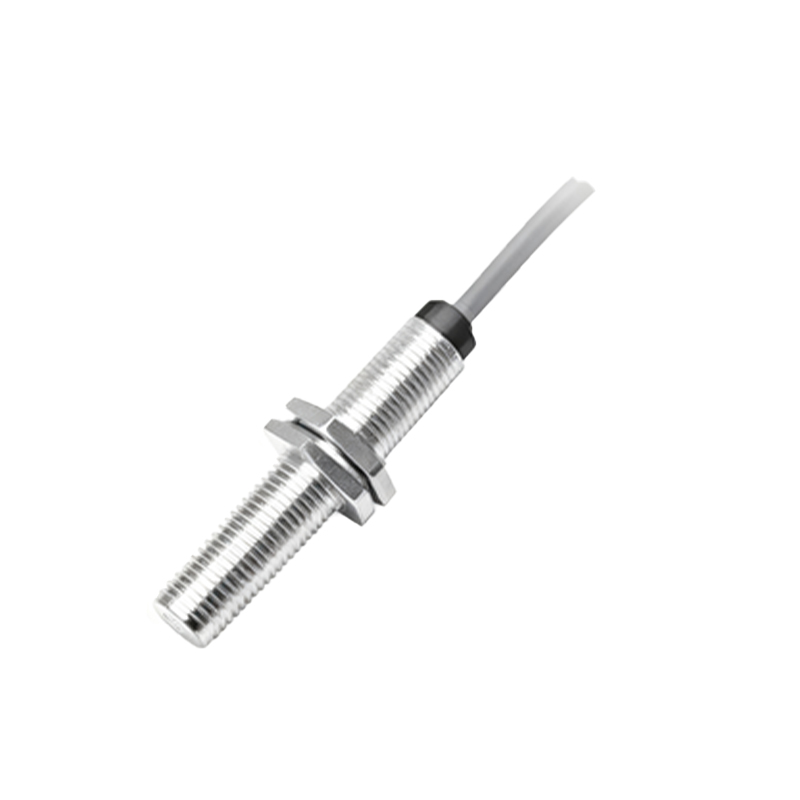
To combat this, oil-resistant models are engineered with specific protections. The housing is typically constructed from materials like stainless steel (V2A, V4A) or high-grade, chemically resistant plastics such as PBT or PPS. Critical to their performance is the ingress protection (IP) rating. A high IP rating, such as IP67 or IP69K, indicates a high degree of protection against dust and temporary or powerful water (and oil) jets. The sealing around the housing, cable gland, and sensing face is meticulously designed using specialized gaskets and seals made from oil-resistant compounds like FKM (Viton) or NBR. This prevents oil from seeping into the sensor's interior.
Furthermore, the sensing face itself is often treated or made from a material that prevents oil film buildup. Some sensors feature a "flush-mountable" design, allowing them to be embedded into metal surfaces without a gap, which minimizes the chance of oil pooling on the active surface. The internal circuitry is often potted with epoxy resin to provide additional protection against shock, vibration, and any potential fluid ingress that might bypass the primary seals.
The operational benefits are significant. These sensors offer extended service life and reduced maintenance costs in oily environments, leading to higher machine uptime and overall equipment effectiveness (OEE). They provide stable and repeatable switching signals, ensuring consistent process quality. Their rectangular shape often allows for clear labeling, status LEDs on multiple sides, and the possibility of multi-directional cable outlets, enhancing installation flexibility.
Typical applications for oil-resistant rectangular proximity sensors are widespread. In CNC machining centers, they detect tool presence, pallet position, or door status amidst heavy coolant mist. On automated assembly lines in the automotive sector, they monitor component positioning on fixtures lubricated with oils. Within food and beverage packaging machinery, they can detect containers on conveyors that are regularly cleaned with aggressive, oily cleaning agents. They are also indispensable in hydraulic press systems, steel mills, and any location where reliable sensing must coexist with pervasive oily conditions.
When selecting an oil-resistant rectangular proximity sensor, engineers must consider several parameters beyond just the oil resistance claim. The sensing distance, switching frequency, output type (PNP/NPN, NO/NC), supply voltage, and connection method are all crucial. It is also vital to verify the specific fluid resistance ratings from the manufacturer's data sheets, as resistance can vary between different oil types (synthetic, mineral-based, etc.) and additives.
In conclusion, the oil-resistant rectangular proximity sensor is not merely a variant but a necessity for robust industrial automation. Its design philosophy centers on resilience, ensuring that the critical function of non-contact detection remains uncompromised in some of the harshest operating conditions. By understanding their construction and capabilities, engineers and maintenance personnel can make informed selections, thereby building more reliable, efficient, and durable automated systems. As industries push for greater productivity and less downtime, the role of such specialized components becomes ever more pivotal.