In the realm of industrial safety and process control, the accurate and reliable detection of combustible gases is paramount. Among these, acetylene (C₂H₂) stands out due to its widespread use in metal cutting, welding, and chemical synthesis, coupled with its highly flammable and explosive nature. Traditional detection methods, such as catalytic bead or electrochemical sensors, while useful, often grapple with limitations like cross-sensitivity, slow response times, and susceptibility to poisoning in harsh environments. The advent of laser-based gas sensing technology, specifically Tunable Diode Laser Absorption Spectroscopy (TDLAS), has ushered in a new era of precision and reliability for acetylene monitoring.
The core principle of a laser acetylene gas sensor is infrared absorption spectroscopy. Acetylene molecules exhibit unique, strong absorption lines in the near-infrared (NIR) region of the electromagnetic spectrum. A TDLAS sensor employs a tunable diode laser whose wavelength can be precisely scanned over one of these specific absorption lines. The laser beam is directed through the gas sample in a measurement path. As the laser wavelength scans across the absorption line, the acetylene molecules absorb a fraction of the light at their characteristic wavelength. A photodetector on the opposite side measures the intensity of the transmitted light. The degree of absorption is directly proportional to the concentration of acetylene present, following the Beer-Lambert law. By locking the laser to the exact absorption line and using sophisticated wavelength modulation techniques, the system achieves exceptional selectivity, effectively ignoring interference from other gases.
The technical advantages of this approach are substantial. Firstly, selectivity is unparalleled. By targeting a unique, narrow absorption line of acetylene, laser sensors are virtually immune to cross-interference from common industrial gases like methane, carbon monoxide, or water vapor. This eliminates false alarms and ensures measurement integrity. Secondly, the response is extremely fast, often in the sub-second range, enabling real-time monitoring critical for leak detection and process control. Thirdly, these sensors are non-intrusive and can be configured for in-situ measurement without extracting the gas sample, or as open-path sensors for monitoring large areas or perimeters. This eliminates sample handling delays and risks. Furthermore, laser sensors have no consumable parts and are not subject to catalytic poisoning or sensor drift common in conventional detectors, leading to significantly lower long-term maintenance costs and extended calibration intervals. Their robustness makes them ideal for demanding environments with high temperatures, pressures, or corrosive atmospheres.
The applications of laser acetylene gas sensors are diverse and critical across several industries. In petrochemical plants and refineries, they are deployed for continuous area monitoring around acetylene production units, storage facilities, and pipeline junctions to provide early warning of leaks. In metal fabrication and welding shops, they ensure safe ambient air quality where acetylene cylinders are stored and used. Within the semiconductor manufacturing industry, where acetylene is used in chemical vapor deposition processes, precise and clean monitoring is essential for both safety and product quality. Another growing application is in power generation, particularly in monitoring hydrogen-cooled turbine generators where acetylene can be a byproduct of abnormal electrical arcing, serving as a key diagnostic tool for predictive maintenance.
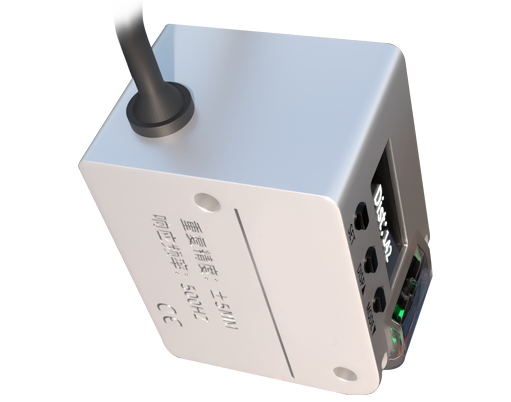
Despite their superior performance, considerations exist. The initial capital investment for a laser-based system is typically higher than for traditional point detectors. The technology also requires a clear optical path; therefore, heavy particulate matter, fog, or significant mechanical misalignment can attenuate the signal. However, modern designs incorporate reference cells and advanced algorithms to compensate for signal loss and verify sensor health. Integration with modern industrial control systems and the Internet of Things (IoT) platforms is straightforward, allowing for centralized data logging, remote diagnostics, and predictive analytics.
In conclusion, laser acetylene gas sensors represent a significant technological leap forward in industrial gas detection. By leveraging the precise science of laser absorption spectroscopy, they deliver unmatched accuracy, speed, and reliability. As industries worldwide continue to prioritize operational safety, regulatory compliance, and asset protection, the adoption of TDLAS-based acetylene monitors is set to expand. Their ability to provide unambiguous, real-time data empowers engineers and safety officers to create safer working environments, prevent catastrophic incidents, and optimize industrial processes with confidence. The future of acetylene sensing is clearly illuminated by laser light.
