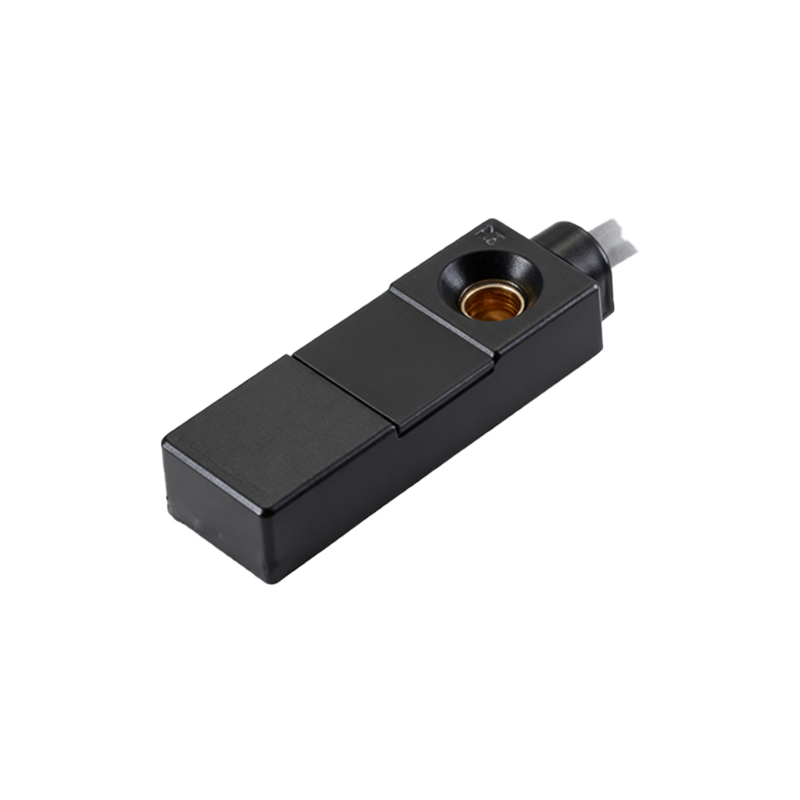
In the realm of industrial automation, precision, reliability, and durability are non-negotiable. The GX-F6A proximity sensor stands as a testament to engineering excellence, designed to meet the rigorous demands of modern manufacturing and control systems. This comprehensive guide delves into the technical specifications, operational principles, application scenarios, and key advantages of the GX-F6A, providing essential insights for engineers and system integrators.
Proximity sensors are fundamental components in automation, enabling non-contact detection of metallic objects. The GX-F6A series, typically an inductive-type sensor, excels in this role. Its core operating principle is based on electromagnetic induction. The sensor generates an oscillating electromagnetic field from its active face. When a metallic target (such as steel, aluminum, brass, or copper) enters this detection field, it induces eddy currents within the target. These currents absorb energy from the oscillator, causing a change in the oscillation amplitude. This change is detected by the sensor's circuitry, which subsequently triggers a solid-state output switch. This entire process occurs without any physical contact, eliminating mechanical wear and ensuring a long operational lifespan.
The GX-F6A is renowned for its robust construction. Housed in a rugged, typically nickel-plated brass or stainless-steel barrel, it offers exceptional resistance to environmental challenges. It commonly features an IP67 or higher ingress protection rating, making it impervious to dust and capable of withstanding temporary immersion in water. This makes it ideal for harsh industrial environments, including machining centers, automotive assembly lines, material handling systems, and packaging machinery, where exposure to coolants, oils, and metal chips is commonplace.
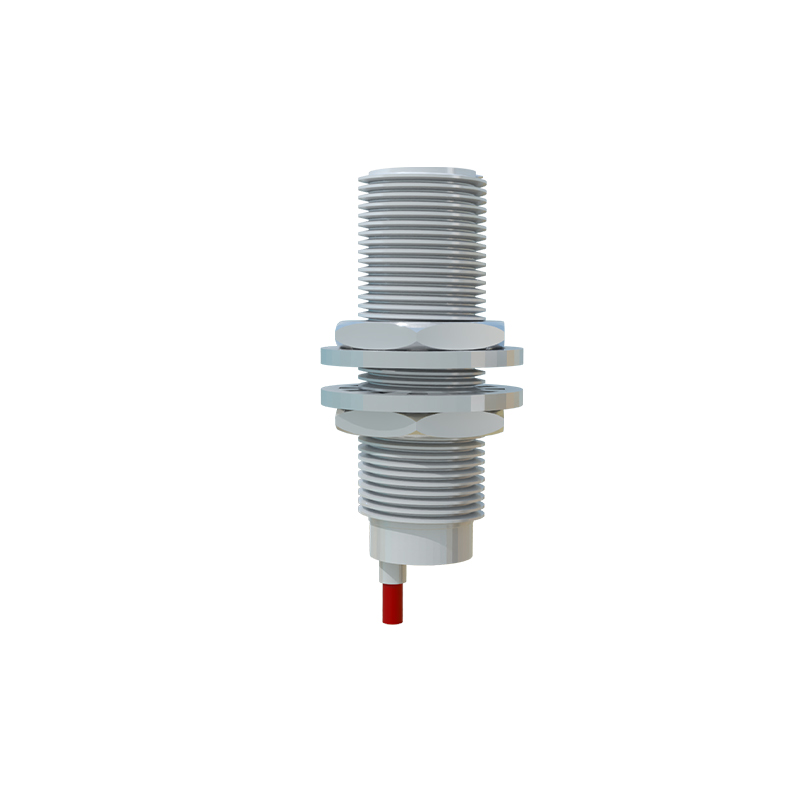
Key technical parameters define its performance. The sensing range, or nominal switching distance (Sn), is a critical specification. For the GX-F6A, this range is optimized for precise detection, often in the millimeter scale, ensuring accurate positioning without false triggers. It is crucial to note that the effective sensing distance can vary based on the target material's properties, such as its size, shape, and specific metal type. Standard correction factors apply: for mild steel, the factor is 1.0; for stainless steel, it is approximately 0.7-0.9; and for aluminum or copper, it can be as low as 0.3-0.5. Engineers must account for these factors during system design. The sensor typically offers a choice of output configurations, including NPN (sinking) or PNP (sourcing) transistor outputs, and normally open (NO) or normally closed (NC) logic, providing flexibility for integration with various PLCs (Programmable Logic Controllers) and control systems. Its response frequency is high, allowing it to detect rapidly moving objects on production lines, while its built-in protection against short-circuit, reverse polarity, and overload enhances system safety and reliability.
Installation and wiring are straightforward but require attention to detail. The sensor should be mounted securely, ensuring the target approaches the sensing face correctly. Adequate clearance must be maintained between multiple sensors to prevent mutual interference, a phenomenon known as "crosstalk." The wiring should follow the manufacturer's diagram precisely, connecting the brown wire (typically +V), blue wire (0V/GND), and black wire (output signal) to the appropriate power supply and load. A stable DC power supply, usually 10-30V DC, is required for consistent operation.
The advantages of deploying the GX-F6A are manifold. Its non-contact nature guarantees virtually infinite mechanical life, reducing maintenance costs and downtime. The high switching speed and repeat accuracy contribute to improved process efficiency and product quality. Its rugged design ensures stable performance under vibration, shock, and temperature variations. Furthermore, many models in this series feature an LED status indicator, providing immediate visual feedback for troubleshooting and commissioning.
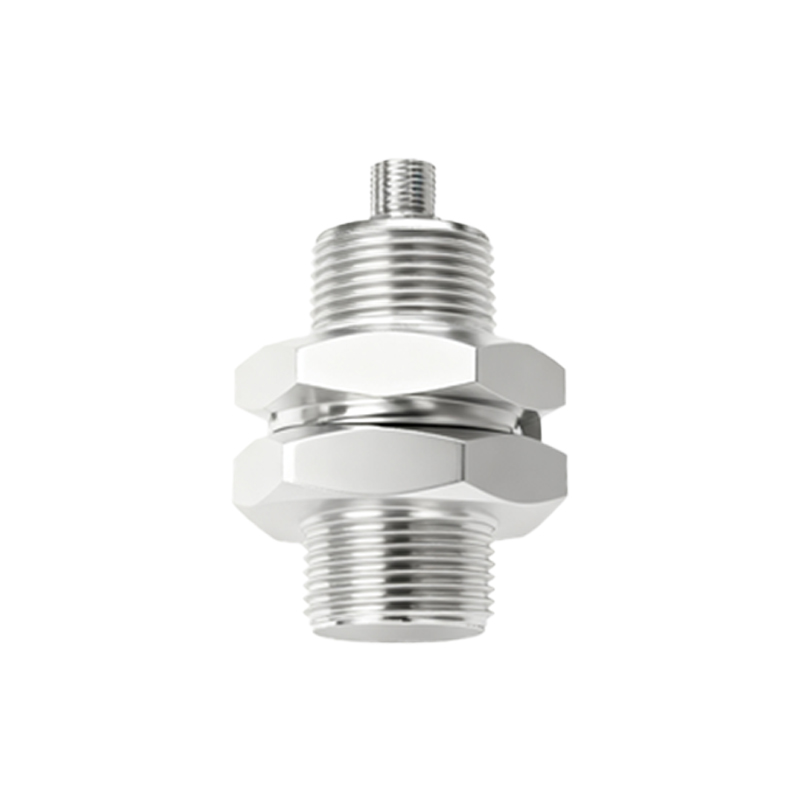
In application, the GX-F6A proves indispensable. It is used for precise object counting on conveyor belts, detecting the presence or absence of parts in a fixture, controlling the end position of cylinders or actuators, and ensuring safety by verifying machine guard closure. In robotic cells, these sensors confirm gripper engagement or part positioning. Their versatility and resilience make them a cornerstone of lean and efficient automated systems.
In conclusion, the GX-F6A proximity sensor represents a fusion of robust hardware and sophisticated detection technology. For engineers tasked with designing, maintaining, or upgrading industrial automation systems, understanding its capabilities and correct implementation is paramount. By selecting the appropriate model for the specific target material and environmental conditions, and by adhering to proper installation guidelines, the GX-F6A will deliver years of flawless, reliable service, forming the silent, vigilant backbone of countless automated processes worldwide.