Inductive proximity sensors are fundamental components in modern industrial automation, offering non-contact detection of metallic objects with high reliability and precision. As an electrical engineer with extensive field experience, I often encounter questions regarding the pricing of these sensors. The cost of an inductive proximity sensor is not arbitrary; it is influenced by a complex interplay of technical specifications, environmental factors, brand reputation, and market dynamics. This article delves into the key determinants of sensor pricing to help professionals make informed purchasing decisions.
First and foremost, the sensing range and accuracy significantly impact the price. Standard inductive sensors typically detect ferrous metals (like iron and steel) at distances ranging from 1 to 20 mm. Sensors with extended ranges or enhanced precision for detecting non-ferrous metals (such as aluminum or copper) require more sophisticated coil designs and electronics, leading to higher manufacturing costs. For instance, a sensor with a 15 mm range for steel might cost 20-30% less than one capable of detecting aluminum at the same distance due to the additional signal processing needed.
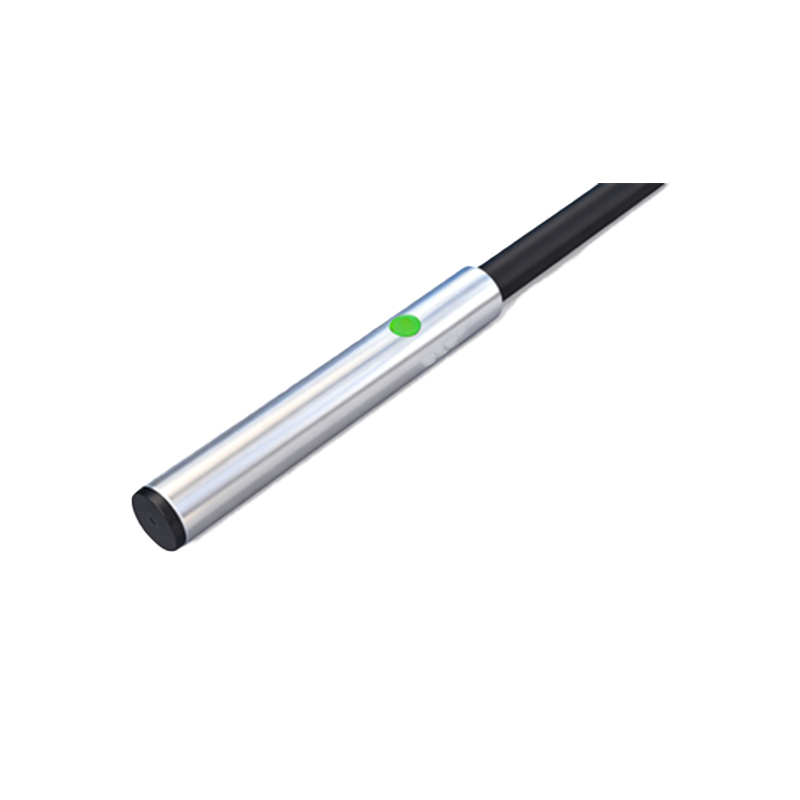
The housing material and ingress protection (IP) rating are critical cost drivers. Industrial environments often expose sensors to harsh conditions like moisture, dust, chemicals, and mechanical stress. Sensors housed in stainless steel (e.g., V4A/AISI 316L) or specialized plastics with high IP ratings (e.g., IP67 or IP69K) are more expensive than those with basic nickel-plated brass or ABS plastic housings. A sensor rated IP67, which ensures protection against temporary immersion, can be 15-25% pricier than an IP65-rated counterpart designed only for dust jets and low-pressure water sprays.
Electrical output and connection types also affect pricing. Common outputs include NPN, PNP, analog (4-20 mA or 0-10 V), and IO-Link digital interfaces. Basic two-wire DC sensors with simple switching functions are generally the most affordable. In contrast, sensors with IO-Link capability, which enable advanced diagnostics, parameterization, and integration into Industry 4.0 systems, command a premium—often 30-50% higher than standard models. Additionally, connectors (e.g., M8 or M12) add to the cost compared to fixed cable versions, though they offer easier installation and maintenance.
Brand reputation and certification play a substantial role. Established manufacturers like Siemens, Omron, Pepperl+Fuchs, and Balluff invest heavily in research, quality control, and compliance with international standards (e.g., CE, UL, ATEX for hazardous areas). Their sensors are typically priced higher due to proven durability, technical support, and warranty services. Conversely, generic or lesser-known brands may offer lower upfront costs but could entail risks in long-term reliability and availability of spare parts. For critical applications, the adage "you get what you pay for" often holds true.
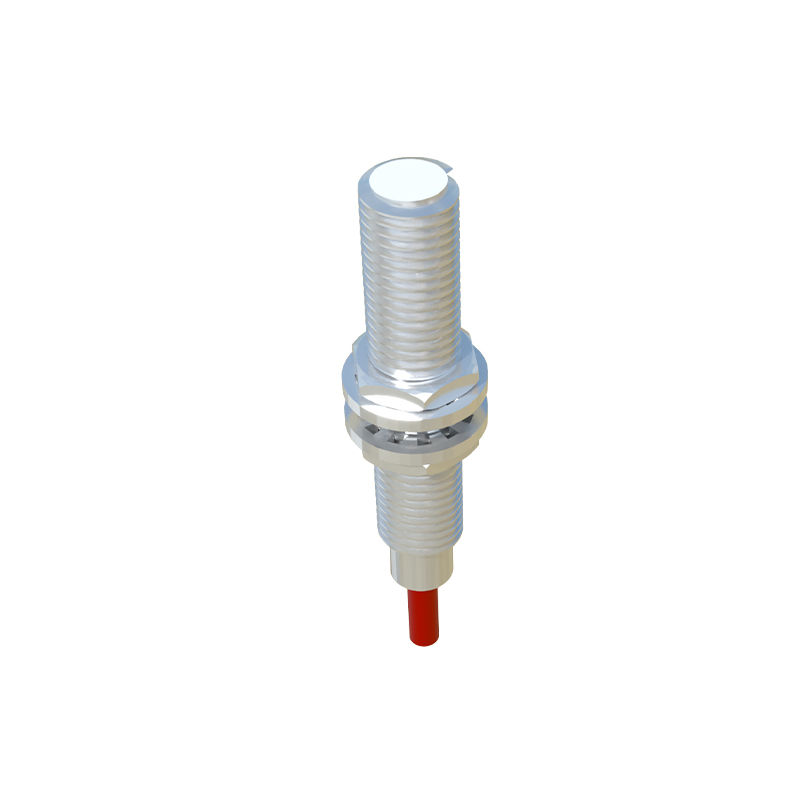
Market factors such as supply chain fluctuations, raw material costs (e.g., copper for coils), and regional demand influence pricing trends. The global shift toward smart manufacturing has increased demand for advanced sensors, potentially raising prices for feature-rich models. However, economies of scale and competition in high-volume segments (like standard M12 sensors) keep costs relatively stable. Engineers should consider total cost of ownership, including installation, maintenance, and downtime, rather than just the initial purchase price.
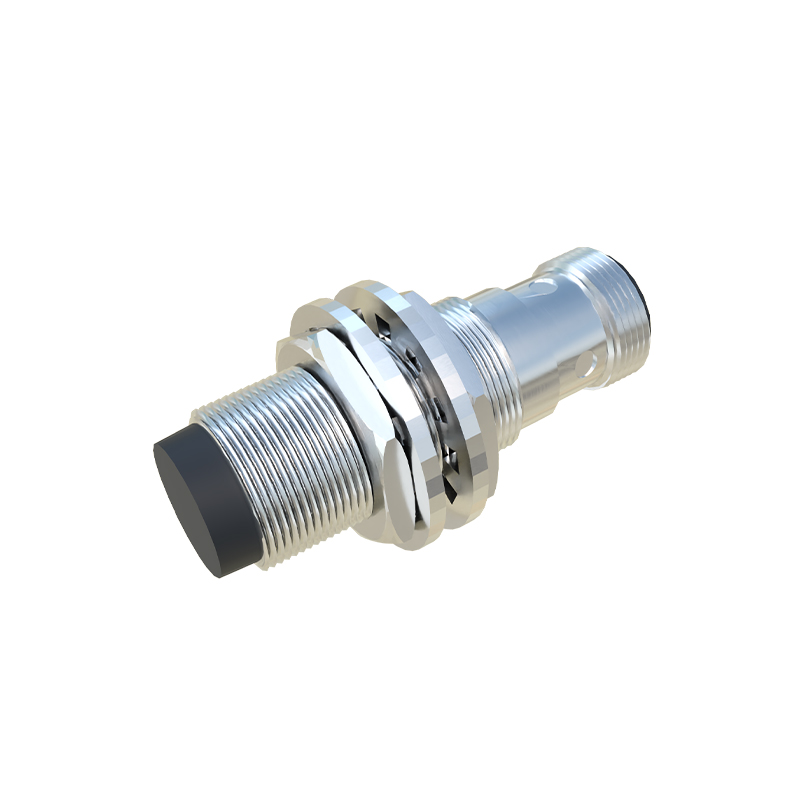
In summary, selecting an inductive proximity sensor involves balancing performance needs with budget constraints. By evaluating specifications like sensing range, housing durability, output type, and brand reliability, professionals can optimize their investments. Always consult datasheets and supplier recommendations to ensure the sensor matches the application's requirements, as an ill-suited choice may lead to higher expenses from failures or inefficiencies.