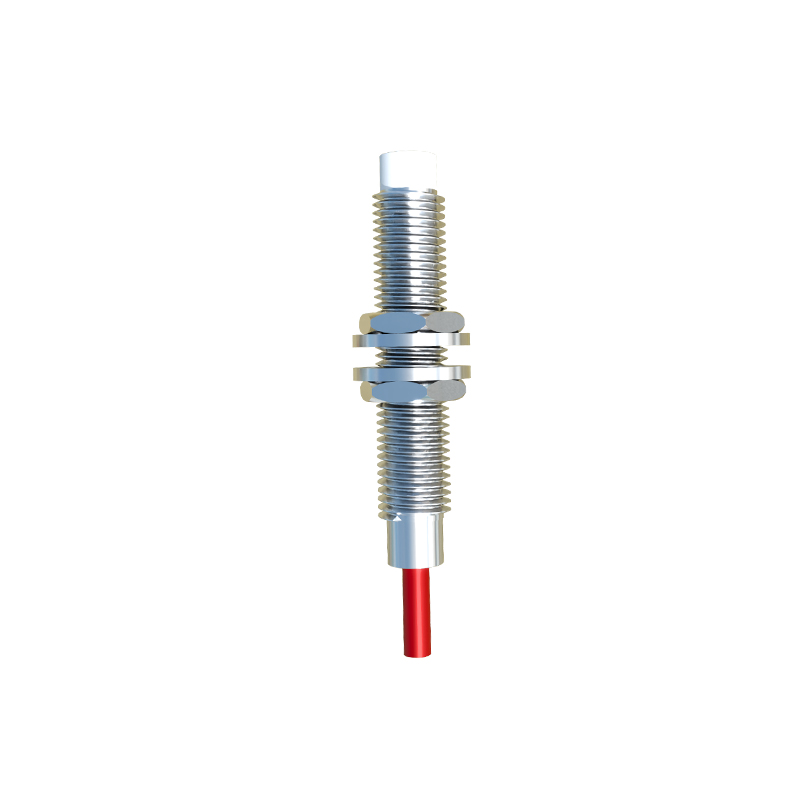
In the realm of industrial automation and electronic systems, proximity sensors play a pivotal role in detecting the presence or absence of objects without physical contact. A critical, yet often overlooked, parameter in their specification sheets is "TM Time" or "Response Time." This metric is fundamental to system performance, reliability, and safety. This guide delves into the intricacies of TM Time, explaining its significance, how it's measured, and the factors that influence it.
TM Time, fundamentally, is the total time required for a proximity sensor to react to a change in the detected object's status and to output a corresponding electrical signal. It is typically defined as the interval between the moment the target enters (or leaves) the sensor's effective sensing range and the moment the sensor's output switch changes state. This parameter is usually expressed in milliseconds (ms) or microseconds (µs). A shorter TM Time indicates a faster sensor, which is crucial for high-speed applications like packaging machinery, robotic assembly lines, or precision counting systems.
The TM Time is not a single monolithic value; it is often composed of several components. First, there is the internal processing time of the sensor's oscillator and detection circuit. Second, for sensors with a built-in amplifier or switching circuit, there is the output switching delay. The total TM Time is the sum of these internal delays. Manufacturers specify this under standardized conditions, including supply voltage, ambient temperature, and the characteristics of the standard test target (usually a square piece of iron of defined size).
Several key factors directly impact the actual TM Time experienced in a real-world application. The material of the target object is paramount. Ferrous metals (like iron and steel) are detected at the maximum rated sensing distance and typically yield the fastest response. Non-ferrous metals (like aluminum or copper) and non-metallic materials may reduce the effective sensing distance and can slightly increase the TM Time. The size and shape of the target also matter; a target smaller than the sensor's face or one approaching from an oblique angle can affect detection consistency and timing.
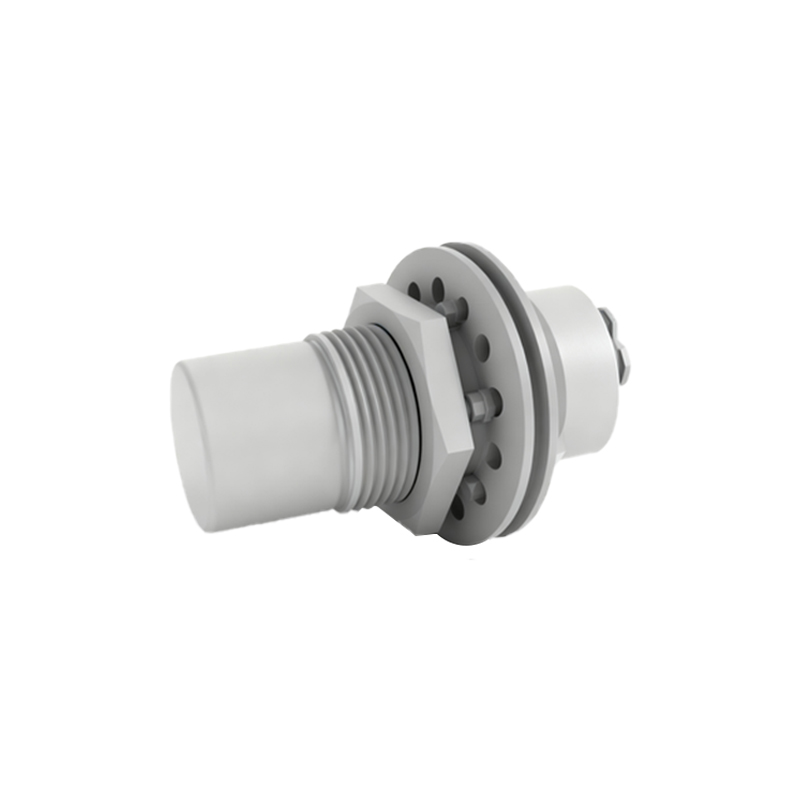
Environmental conditions exert a significant influence. Extreme temperatures can affect the electronic components' speed and the properties of the sensing field. Electrical noise from nearby motors, frequency converters, or welding equipment can induce false signals or require additional signal filtering, potentially increasing the effective response time. Furthermore, the sensor's own design—whether it is inductive, capacitive, ultrasonic, or photoelectric—dictates its fundamental operating principles and associated speed limits. For instance, high-speed inductive sensors are engineered specifically for minimal TM Time, often below 100 µs.
Understanding and correctly applying the TM Time specification is vital for system design. In a high-speed bottling line, for example, a sensor with a 5ms TM Time might miss containers passing at very short intervals, leading to counting errors or jams. Engineers must calculate the required sensor speed based on the maximum object speed and the minimum distance between objects. A common rule is that the sensor's TM Time must be significantly shorter than the time an object spends within the sensing zone. Ignoring this can lead to unreliable operation, reduced throughput, or even safety hazards in machinery guarding applications.
When selecting a proximity sensor, comparing TM Time specifications is essential, but it must be done in context. Always refer to the manufacturer's datasheet, which defines the test conditions. Consider building in a safety factor for your application to account for target variations and environmental drift. For the most demanding speed applications, consult with sensor specialists who can recommend products from "high-speed" or "fast-response" series specifically optimized for minimal delay.
In conclusion, TM Time is a core performance characteristic of a proximity sensor, defining its speed and suitability for dynamic applications. By comprehending its definition, components, and influencing factors, system designers and maintenance technicians can make informed choices, ensuring optimal performance, enhanced efficiency, and robust reliability in automated systems. Prioritizing this parameter during sensor selection prevents bottlenecks and safeguards the integrity of the entire control process.