In the realm of electrical engineering, few technologies have demonstrated as profound an impact as lasers and sensors. Their integration forms the backbone of countless advanced systems, driving innovation across industries from telecommunications and manufacturing to healthcare and autonomous vehicles. This article delves into the fundamental principles, key applications, and the powerful synergy between these two pivotal technologies.
Lasers, an acronym for Light Amplification by Stimulated Emission of Radiation, are devices that generate coherent, monochromatic, and highly directional beams of light. The core principle involves stimulating a gain medium—such as a crystal, gas, or semiconductor—with an energy source to excite electrons. When these electrons return to a lower energy state, they emit photons. In a resonant optical cavity, this process amplifies, producing a concentrated light beam with unique properties. Key types include gas lasers (e.g., CO2 lasers for cutting), solid-state lasers (e.g., Nd:YAG for medical devices), and semiconductor lasers (ubiquitous in fiber optics and consumer electronics). Their precision, high energy density, and controllability make them indispensable.
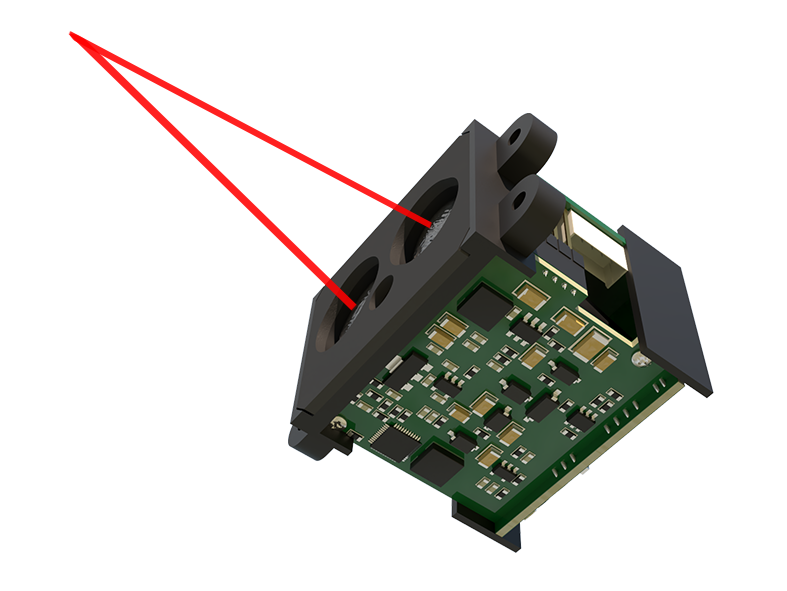
Sensors, on the other hand, are transducers that detect physical, chemical, or biological phenomena and convert them into measurable electrical signals. Modern sensors leverage various principles: photoelectric, piezoelectric, capacitive, and electromagnetic, among others. For instance, photodetectors sense light intensity, while MEMS (Micro-Electro-Mechanical Systems) accelerometers detect motion. The evolution of sensor technology has been marked by miniaturization, enhanced sensitivity, and integration with digital processing units, enabling real-time data acquisition and analysis.
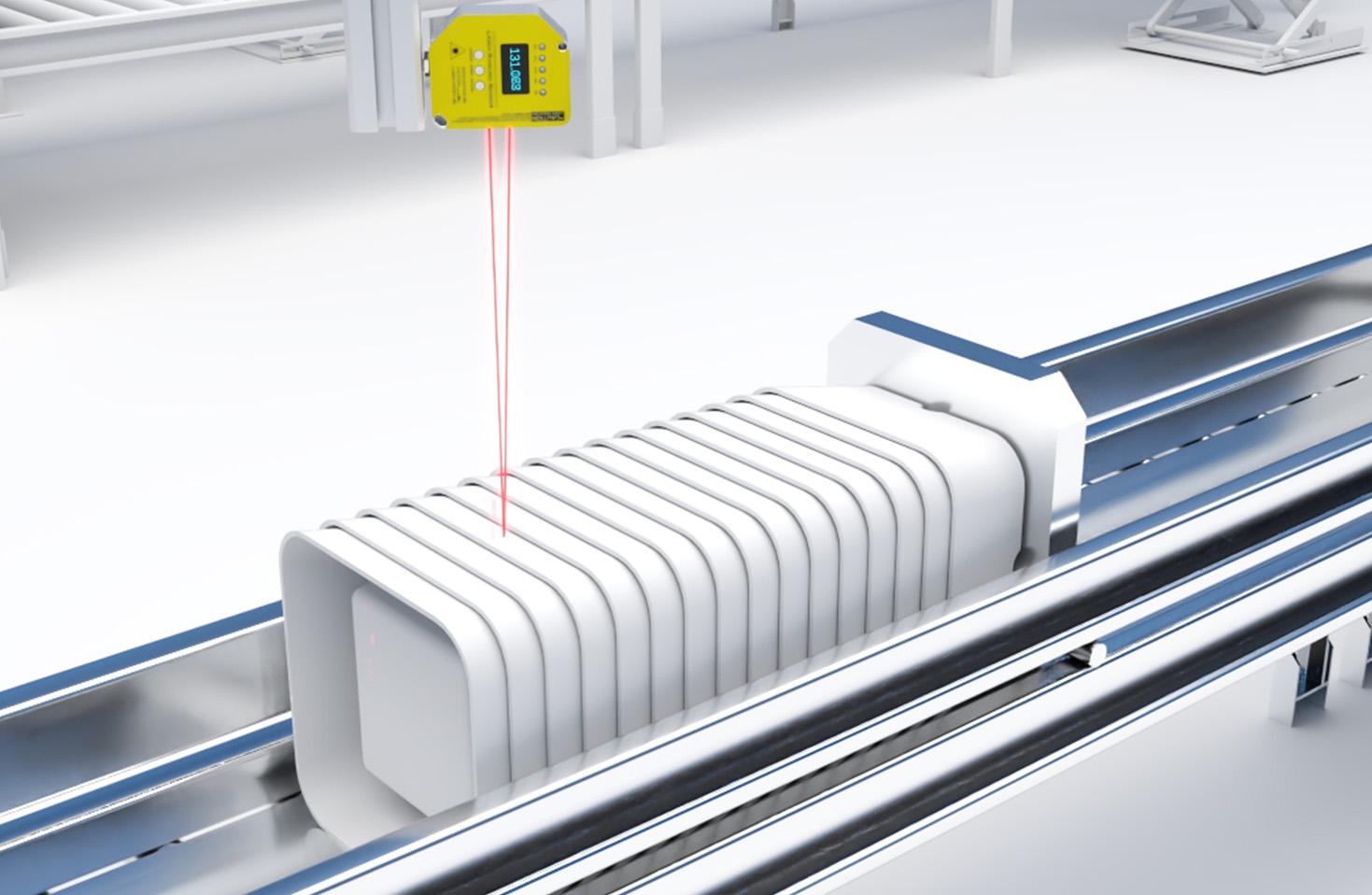
The true transformative power emerges when lasers and sensors operate synergistically. In LiDAR (Light Detection and Ranging) systems, a laser emits pulsed light towards a target, and a sensor measures the time delay of the reflected signal to calculate distances with centimeter-level accuracy. This technology is crucial for autonomous driving, environmental mapping, and archaeology. In industrial manufacturing, laser-based sensors perform non-contact metrology, inspecting product dimensions and surface defects at high speeds, ensuring quality control in automotive and electronics production.
Medical diagnostics and treatment have been revolutionized by this combination. Optical coherence tomography (OCT) uses low-coherence laser light and interferometric sensors to capture micrometer-resolution, cross-sectional images of biological tissues, aiding in ophthalmology and cardiology. Surgical lasers, guided by precision sensors, enable minimally invasive procedures with reduced recovery times.
In telecommunications, semiconductor lasers transmit data as light pulses through optical fibers, while photonic sensors at receiving ends decode the information, forming the infrastructure of global internet connectivity. Emerging fields like quantum sensing employ laser-cooled atoms and ultra-sensitive photodetectors to measure gravitational waves or magnetic fields with unprecedented precision, pushing the boundaries of fundamental physics.
Despite advancements, challenges persist. Laser systems often require precise alignment and thermal management, while sensors face issues like noise interference and long-term stability. Future trends point toward further integration: silicon photonics aims to combine laser sources and sensors on a single chip, reducing costs and power consumption. The rise of IoT (Internet of Things) and smart cities will drive demand for compact, energy-efficient laser-sensor modules for environmental monitoring and security.
In conclusion, lasers and sensors are not merely standalone components but interdependent technologies fueling modern electrical engineering. Their continuous refinement and innovative applications promise to unlock new capabilities, from enhancing artificial intelligence perception to enabling sustainable energy solutions. Engineers and researchers must focus on optimizing their interoperability to harness their full potential in shaping a technologically advanced future.